Bocce is one of the easiest outdoor games to learn. The basic gameplay teaches in five minutes. The strategic depth keeps players engaged for decades. This guide walks through everything a new player needs to know to play bocce in 2026: equipment, court setup, rules, scoring, and the strategy that separates casual play from serious competition. For deeper coverage of specific topics, see the linked guides at each section. For a quick overview see our Bocce Quick Start Guide.
Key Takeaways
- You need 8 balls, a pallino, and a flat playing area to play.
- Standard bocce uses 4 balls per team in doubles or 2v2 format.
- The team closest to the pallino at the end of a frame scores.
- Games run to 12, 15, or 21 points.
- Learning takes 5 minutes. Mastering takes years.
What You Need to Play
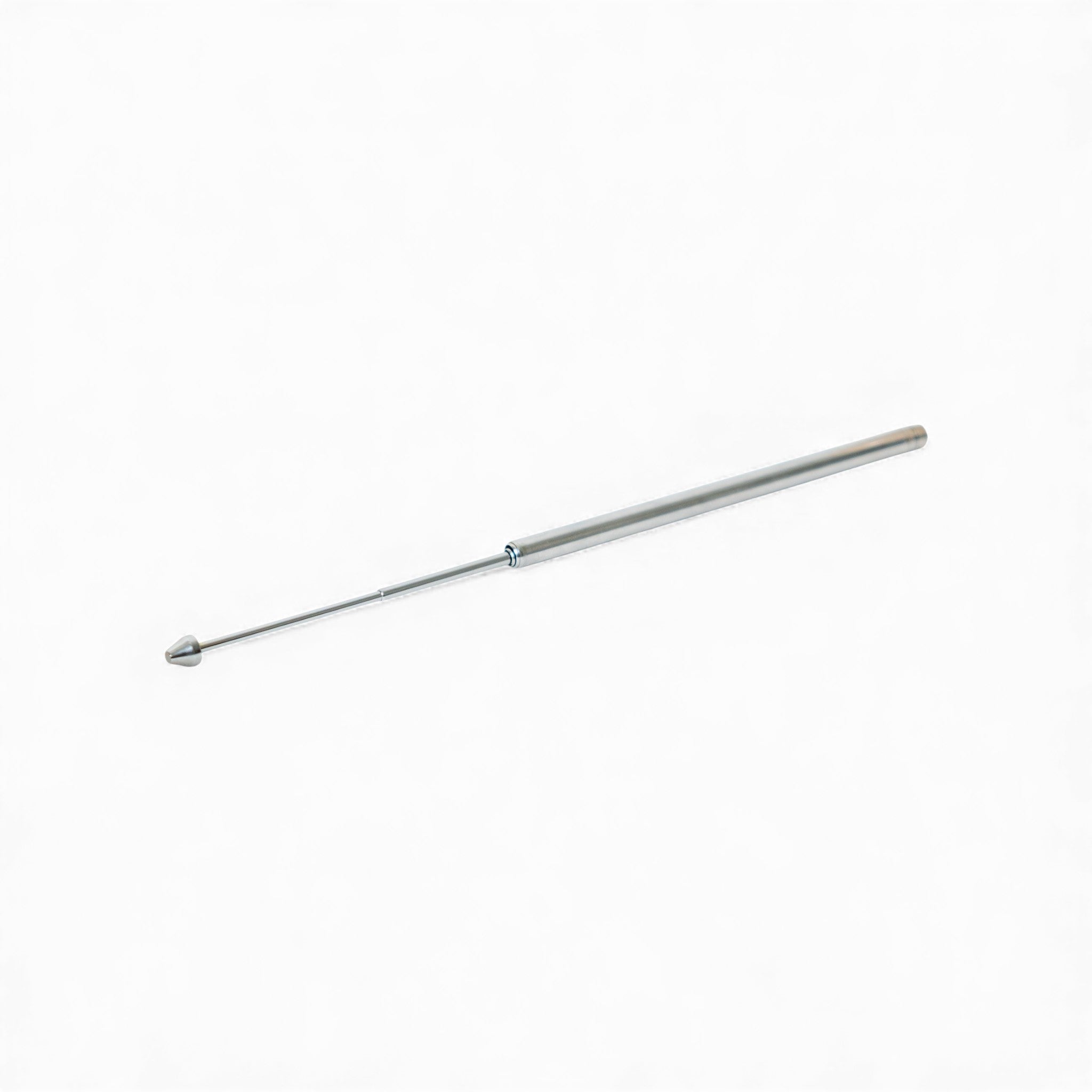
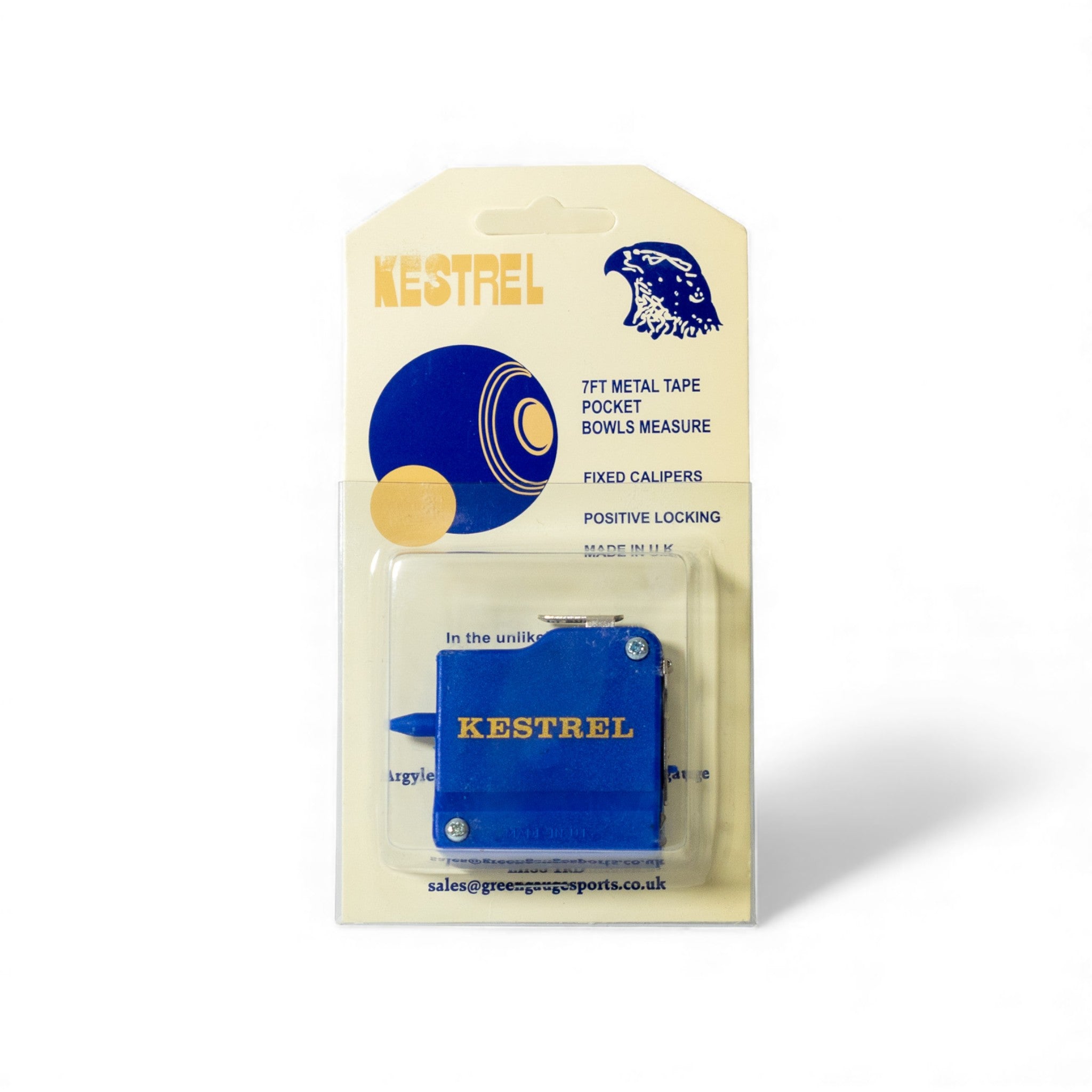
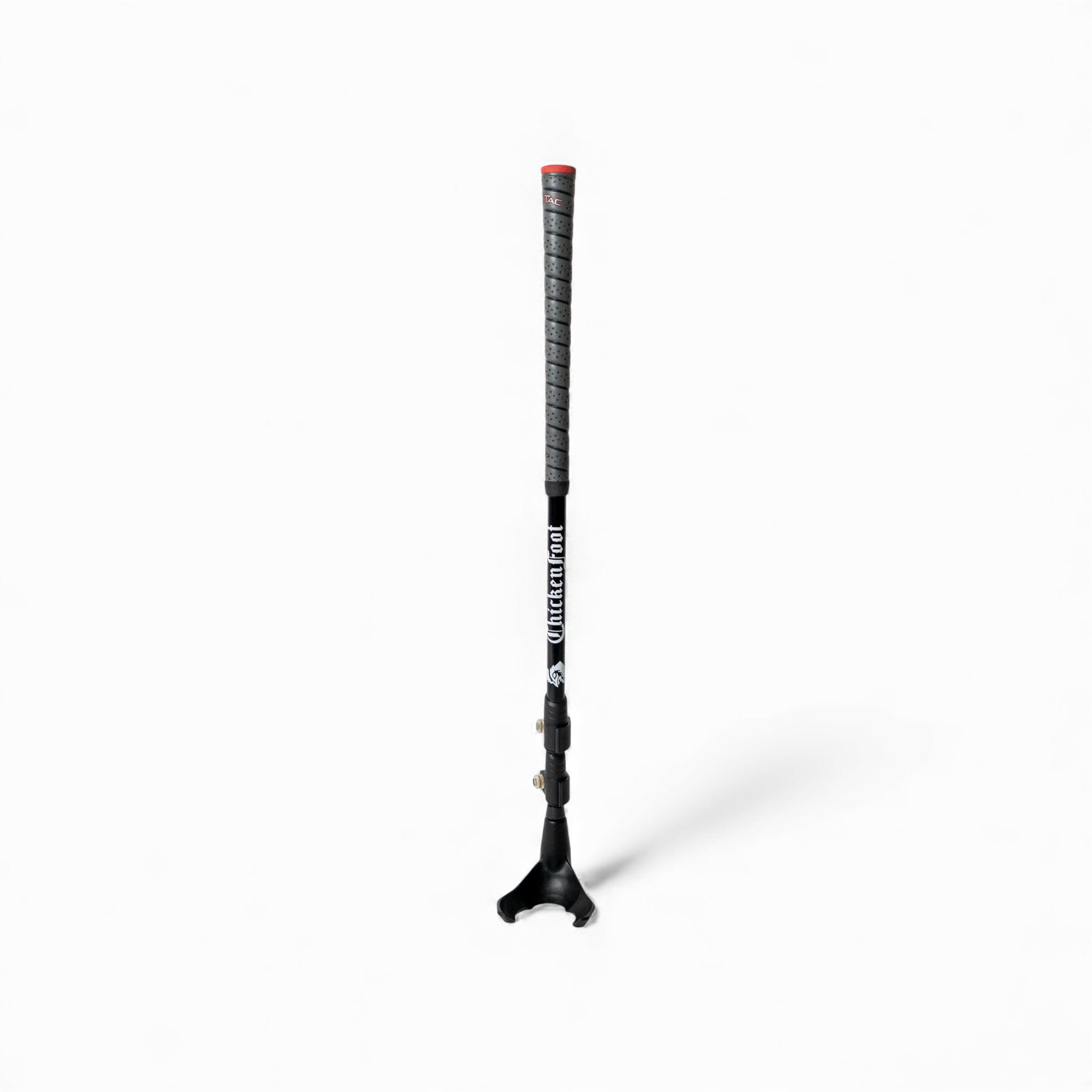
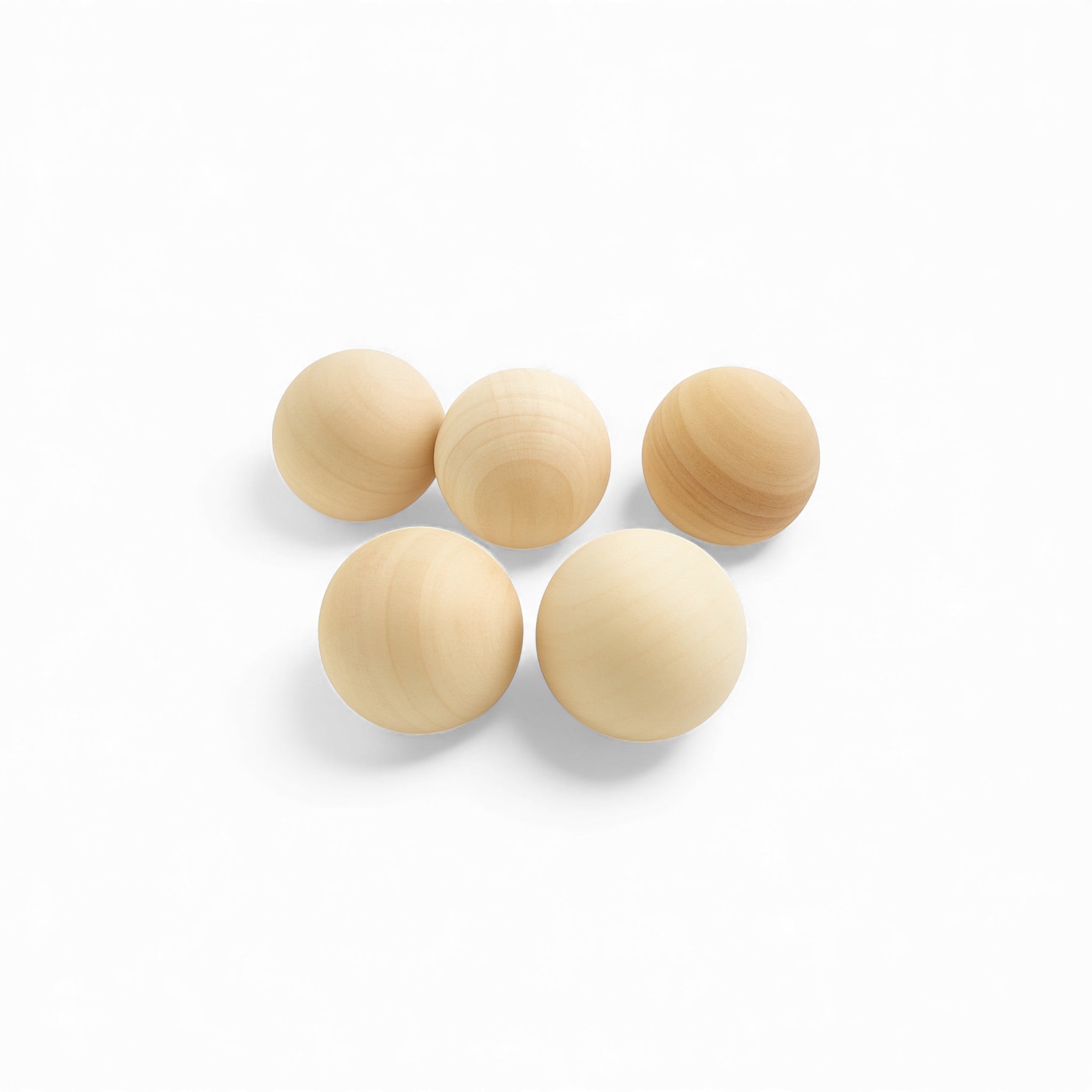
Bocce equipment is minimal. A regulation set includes 8 bocce balls (two sets of 4 in contrasting colors), a small target ball called the pallino, and typically a carry bag. For casual backyard play, that is the entire equipment list. For sanctioned tournament play, add a measuring device for close-frame resolution and a scoreboard. For complete equipment coverage see our Complete Bocce Court Kit Checklist. The Federazione Italiana Bocce tournament regulation specifies 107 mm phenolic resin balls at 920 grams each. For backyard casual play, 110 mm or 114 mm bundles work equally well.
110 mm 8 Bocce Ball Set Bundle

Best for: the beginner backyard default. Everything you need to start playing in one purchase.
Setting Up the Court
A regulation bocce court runs 60 to 91 feet long by 8 to 13 feet wide. For casual backyard play, a flat grass strip 20 to 40 feet long works fine. Mark the throwing line at one end. The pallino gets thrown to the far end. For complete court dimensions see our Bocce Court Dimensions Guide. If you are building a permanent court, our Complete Bocce Court Construction Guide covers the process.
The Basic Rules
Bocce rules are simple. Two teams take turns throwing bocce balls toward a small target ball (the pallino). The team with a ball closest to the pallino at the end of a frame scores. Play continues until one team reaches the target point total (typically 12, 15, or 21). For complete rules coverage see our Bocce Rules Explained for Beginners guide. The United States Bocce Federation Open Rules formalize competition play across the details.
Step 1: The Pallino Throw
The pallino is the small target ball. One team throws it to the far end of the court. The throwing team can be decided by coin toss for the first frame, then rotates in subsequent frames. The pallino must travel a minimum distance (typically 12 meters in tournament rules, or roughly half the court length in casual play). For complete pallino coverage see our What Is the Pallino Guide.
Step 2: The First Ball
The team that threw the pallino also throws the first bocce ball, aiming to land it as close to the pallino as possible. The team stands behind the throwing line and rolls the ball underhand toward the pallino. For complete throw technique coverage see our How to Throw a Bocce Ball guide.
Step 3: Alternating Throws
After the first throw, the opposing team throws until they get a ball closer to the pallino, or until they run out of balls. The team not currently closest throws next. Play continues until all 8 balls (4 per team) are on the court. For complete team coverage see our How Many Balls in a Bocce Set guide.
107 mm 8 Bocce Ball Set Bundle

Best for: the tournament-grade regulation set. Phenolic resin construction meets FIB and USBF specifications.
Step 4: Scoring the Frame
Once all balls are thrown, walk to the pallino end of the court. Identify which team has a ball closest to the pallino. That team scores one point for each of their balls that is closer than the closest opposing ball. Only one team scores per frame. If Team A has three balls closer to the pallino than any Team B ball, Team A scores three points. For complete scoring coverage see our How to Score in Bocce guide.
Step 5: The Next Frame
The team that scored throws the pallino for the next frame. Play continues frame by frame until one team reaches the target point total. Games typically run to 12, 15, or 21 points depending on league preference. Casual backyard games often play to 12 or 15 to keep the pace fast. Tournament finals often play to 21. For complete game length coverage see our How Long Does a Bocce Game Last guide.
Turn Order and Team Formats
Standard bocce runs in doubles (2v2) with each player throwing 2 balls per frame. Singles (1v1) has each player throw 4 balls per frame. Triples (3v3) and 4v4 formats also exist for larger groups. For complete format coverage see our Bocce Tournament Formats Guide. The number of players scales the social dynamic: singles is the fastest and most focused; 4v4 is the most social and spectator-friendly.
The Throw Techniques
Bocce players use several throw styles. Pointing (rolling the ball toward the pallino to sit close): the most common throw. Hitting (throwing the ball harder to knock a competitor's ball or the pallino): the tactical throw. Bank shots (using the side rails on built courts): an advanced technique. Volo (throwing the ball through the air): an Italian tradition used in specific competition. Coverage of bocce in Britannica's entry on the game traces the long history of throw style variations across regions. Coverage of recreational sports in Wirecutter broader outdoor coverage consistently positions bocce favorably for accessible backyard play.
Basic Strategy for Beginners
Three strategic principles help beginners immediately. Start by throwing your first ball close to the pallino (pointing) rather than trying to knock competitors away (hitting). Watch what your opponents do and respond to their throws rather than executing a pre-planned strategy. Keep your throwing motion consistent across throws to build predictable control. For complete strategy coverage see our Bocce Strategy Tips guide.
Where to Play
Bocce works on any flat grass area (backyard, park, or beach), on a built clay or oyster shell court, or indoors on a dedicated indoor court. For casual backyard play, a mowed grass strip works. For serious league play, a built court delivers the true rolling surface. For complete surface coverage see our Can You Play Bocce on Grass Guide and our Indoor Bocce Guide.
Common Beginner Questions Answered
New players ask the same questions consistently. Do all balls stay on the court once thrown? Yes, unless they exit the play area, in which case they are removed. What if two balls tie for closest? The frame is dead and no points score. Can you use a tape measure? Yes, but a dedicated measuring device works better. For complete beginner Q&A see our What Is Bocce Complete Beginner Guide.
Why Buy Your First Bocce Set from BuyBocceBalls
We carry the full range from beginner backyard bundles through tournament-grade sets. Every set ships from our US warehouse in one to two business days. For first-time buyers, our team can recommend the right size and configuration for your play area and expected use frequency.
Frequently Asked Questions
How many balls do you need for bocce?
8 bocce balls (two sets of 4 in contrasting colors) plus 1 pallino target ball.
How do you win a bocce game?
Score points by having balls closest to the pallino each frame. First team to the target point total (12, 15, or 21) wins.
How do you score in bocce?
The team closest to the pallino scores one point for each of their balls closer than the closest opposing ball. Only one team scores per frame.
How many people can play bocce?
2 to 8 players per court. Singles (1v1), doubles (2v2), triples (3v3), and 4v4 are all common formats.
Do you need a special court to play bocce?
No. Casual bocce works on any flat grass area. A built court delivers a better rolling surface for serious play.