Bocce is played between two teams (1, 2, or 4 players per side) on a long flat court. One team throws the small target ball, called the pallino, into the far half of the court. Both teams then take turns rolling their larger balls toward the pallino, four balls per team. After all 8 balls are rolled, the team with the ball closest to the pallino scores 1 point for every ball closer than the other team's nearest. Frames continue with the team that just scored throwing the pallino, until one team reaches 12, 15, or 21 points (the chosen target).
The game's depth comes from positioning, not rules complexity. Beginners can play a competent first match within 20 minutes of reading this article. According to the United States Bocce Federation, the USBF Open Rules used at sanctioned league play are the standard reference, and the same rules scale cleanly from backyard casual to tournament competition.
Key Takeaways
- Teams of 1, 2, or 4 players each, 4 balls per team total (each player gets 1, 2, or 4 balls depending on team size).
- One team throws the pallino into the far half of the court to start each frame.
- Teams alternate rolls, working to get their balls closer to the pallino than the other team's.
- After all 8 balls are rolled, the team with the closest ball scores 1 point for every ball closer than the other team's nearest.
- Games go to 12, 15, or 21 points. The team that scored last throws the pallino next.
Step 1: Set up the court and equipment
You need a flat strip of ground roughly 8 to 12 feet wide and 30 to 76 feet long. Regulation USBF tournament courts are 12 ft by 76 ft; backyard courts often run shorter. Surface options include packed stone dust (best), decomposed granite, short-mown grass, or a smooth gravel court. The throwing line is at one end; the pallino lands in the far half.
Equipment: one 8-ball regulation bocce set (4 balls per team in two colors), one pallino (small target ball), and a measuring device for close calls. The active EPCO 107mm tournament sets cover all four balls per team plus carry bag. According to the Federazione Italiana Bocce, regulation balls are 107mm in diameter and roughly 920 grams in weight. Backyard variants (110mm, 114mm) play similarly but slightly heavier.
Step 2: Choose teams and the starting throw
Split players into two teams. Common formats: singles (1 vs 1, each player throws 4 balls per frame), doubles (2 vs 2, each player throws 2 balls), or quads (4 vs 4, each player throws 1 ball). USBF league play typically uses doubles or quads.
A coin flip or rock-paper-scissors decides which team throws the pallino first. The starting team's player stands behind the throwing line and tosses the pallino underhand into the far half of the court. The pallino must come to rest beyond the center line and at least 1 foot from any side or end wall; if it doesn't, the other team throws it.
Step 3: Roll the first ball
The team that threw the pallino rolls their first bocce ball toward the pallino, trying to land it as close to the pallino as possible. This ball establishes a target distance the other team must beat. The roll is underhand; you can roll palm-up or palm-down depending on grip preference.
The throwing technique is finesse over force. A regulation 107mm ball weighs roughly two pounds, so even a gentle release covers 30 to 60 feet easily. Aim, release low, and let the ball roll along the court rather than tossing it through the air. Coverage of bocce technique in Encyclopedia Britannica's entry on bocce notes that traditional Italian-club play emphasizes precise rolling form over arm strength.
Step 4: Alternate rolls until the team that's losing the frame catches up
After the first team's roll, the other team rolls until they get a ball closer to the pallino than the first team's nearest. Then the first team rolls again. Teams alternate this way: whichever team is currently losing the frame rolls next, trying to get a ball closer. This is the most-misunderstood rule for beginners.
If a team has used all 4 of its balls and the other team still has balls in hand, the team with balls remaining throws them all out before the frame ends. The exception is that the team currently winning the frame doesn't have to throw their remaining balls if they choose to stand on their position.
Step 5: Score the frame
Once all 8 balls are rolled, count: the team with the ball closest to the pallino scores 1 point for every ball they have closer than the other team's nearest ball. So if Team A has the closest ball and also the second-closest, they score 2 points. If Team A has the closest plus second-closest plus third-closest, they score 3 points. Maximum score per frame is 4 points (all 4 of one team's balls closer than any of the other team's).
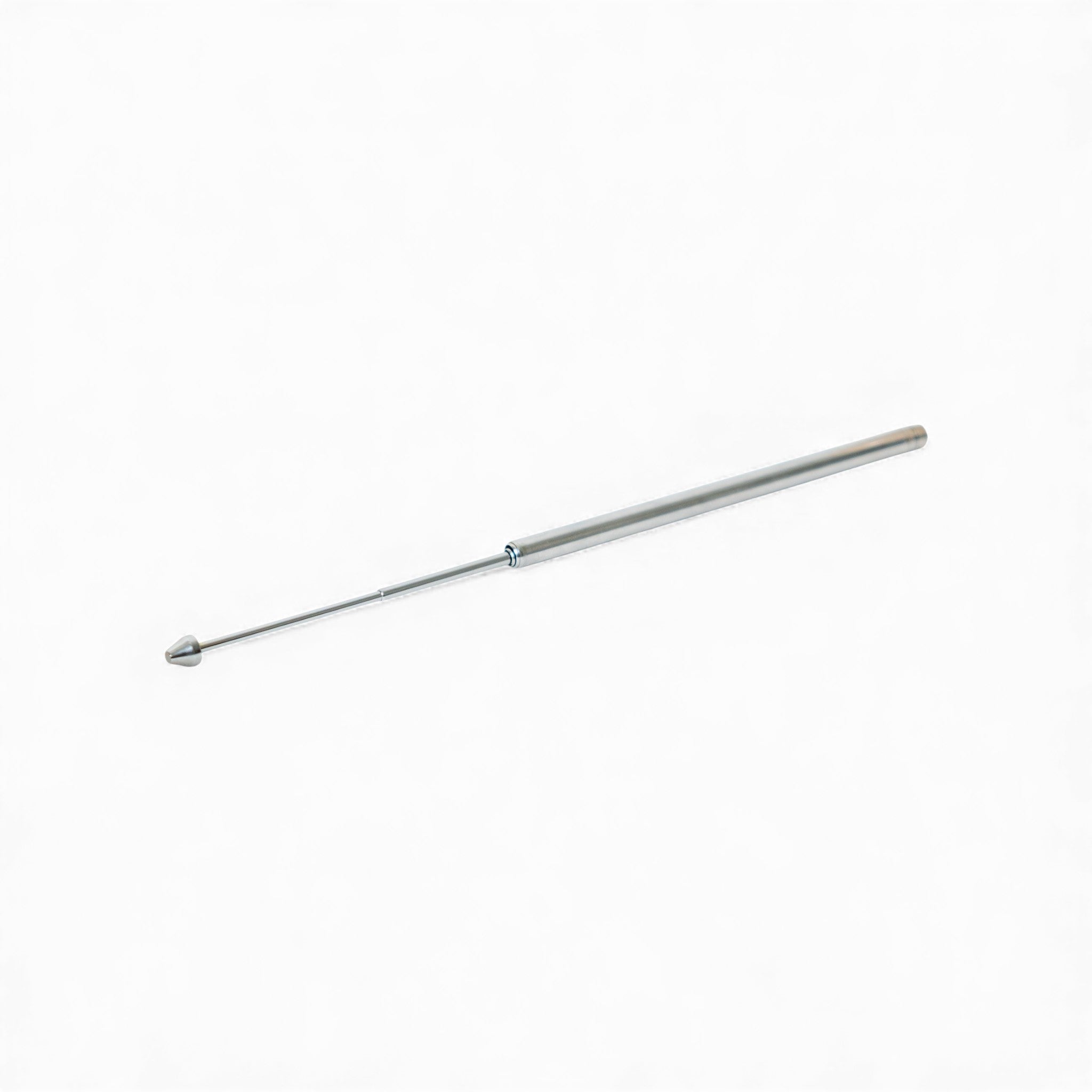
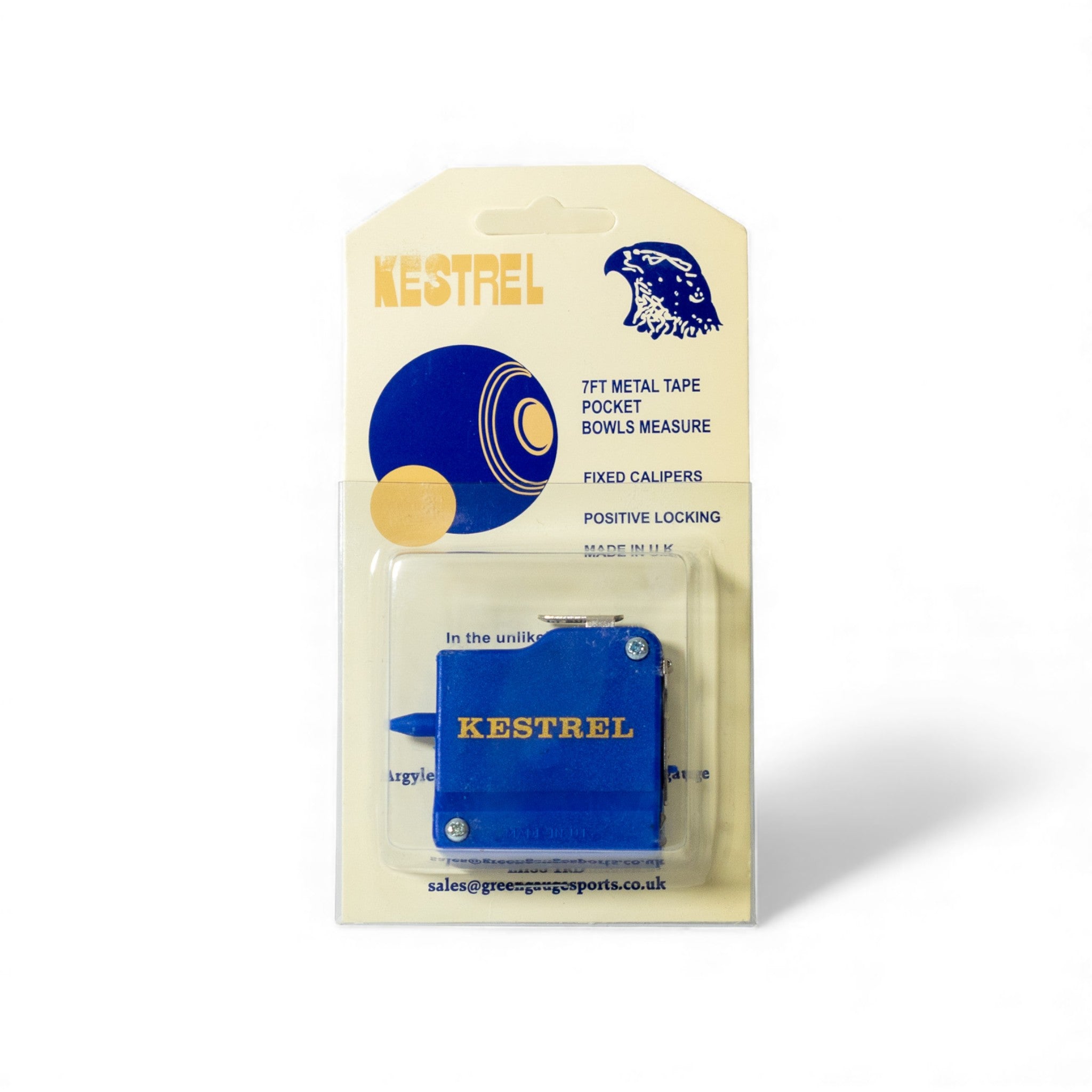
For close calls where two balls look near-identical in distance, use the Extendable Measuring Device or any tape measure to verify. According to the Confederation Mondiale des Sports de Boules, measurement is the standard close-call resolution at all sanctioned tournament levels.
Step 6: Continue until someone reaches the target score
The team that scored the frame throws the pallino for the next frame. Play continues frame by frame until one team reaches the agreed target: 12 points (short backyard game), 15 points (standard recreational), or 21 points (longer tournament-style). A typical match lasts 30 to 45 minutes.
Equipment that helps beginners
1. Bocce Rule Book: Official Open Rules

Best for: beginners who want a written reference for the edge cases this article doesn't cover.
The 15-dollar rule book documents the USBF Open Rules in full detail, including the pallino-throws-out-of-bounds edge case, the order of priority when more than two balls cluster near the pallino, and the tie-break sequence. Useful for resolving disputes during the first few months of regular play before the rules become second nature.
2. 73 mm Metal Bocce/Petanque 6-Ball Set

Best for: beginners testing the game on a small lawn or gravel patio before investing in a full 8-ball tournament set.
The 73mm 6-ball set at $70 covers triplette pétanque (3 players per team, 2 balls each) or three-player rolling bocce. Lighter than 107mm resin, the 73mm metal pétanque format is gentler on hands and easier to release accurately for first-time players. A natural beginner entry point.
3. EPCO 107mm Tournament Set, Pink/Blue

Best for: beginners ready to commit to a full regulation 8-ball set for backyard and league play.
The EPCO Pink/Blue tournament set at $275 covers two teams of four balls each, regulation 107mm raffa diameter, with carry bag included. The pink-and-blue colorway reads cleanly at distance, which speeds up scoring calls during the early matches when you're still learning to assess close frames. USA-made and USBF tournament-recognized.
Why buy from BuyBocceBalls
We carry the regulation 107mm tournament sets, beginner-friendly 73mm pétanque sets, and the rule books that round out a starter kit. Most US orders ship in two to four business days from US warehouses. Browse the full bocce ball collection for solid colors, marble colorways, and tournament-grade sets.
Frequently asked questions
How many balls are in a bocce set?
A regulation bocce set includes 8 balls (4 per team in two colors) plus a smaller pallino target ball. Total 9 balls. The 4-ball half-sets ($150 to $225) include 4 balls for one team only and need a contrasting half-set for full play.
How many people can play bocce at once?
2 to 8 players, in singles (1 vs 1), doubles (2 vs 2), or quads (4 vs 4) format. Each player throws 1 to 4 balls per frame depending on team size; total balls per team stays at 4.
What is the pallino?
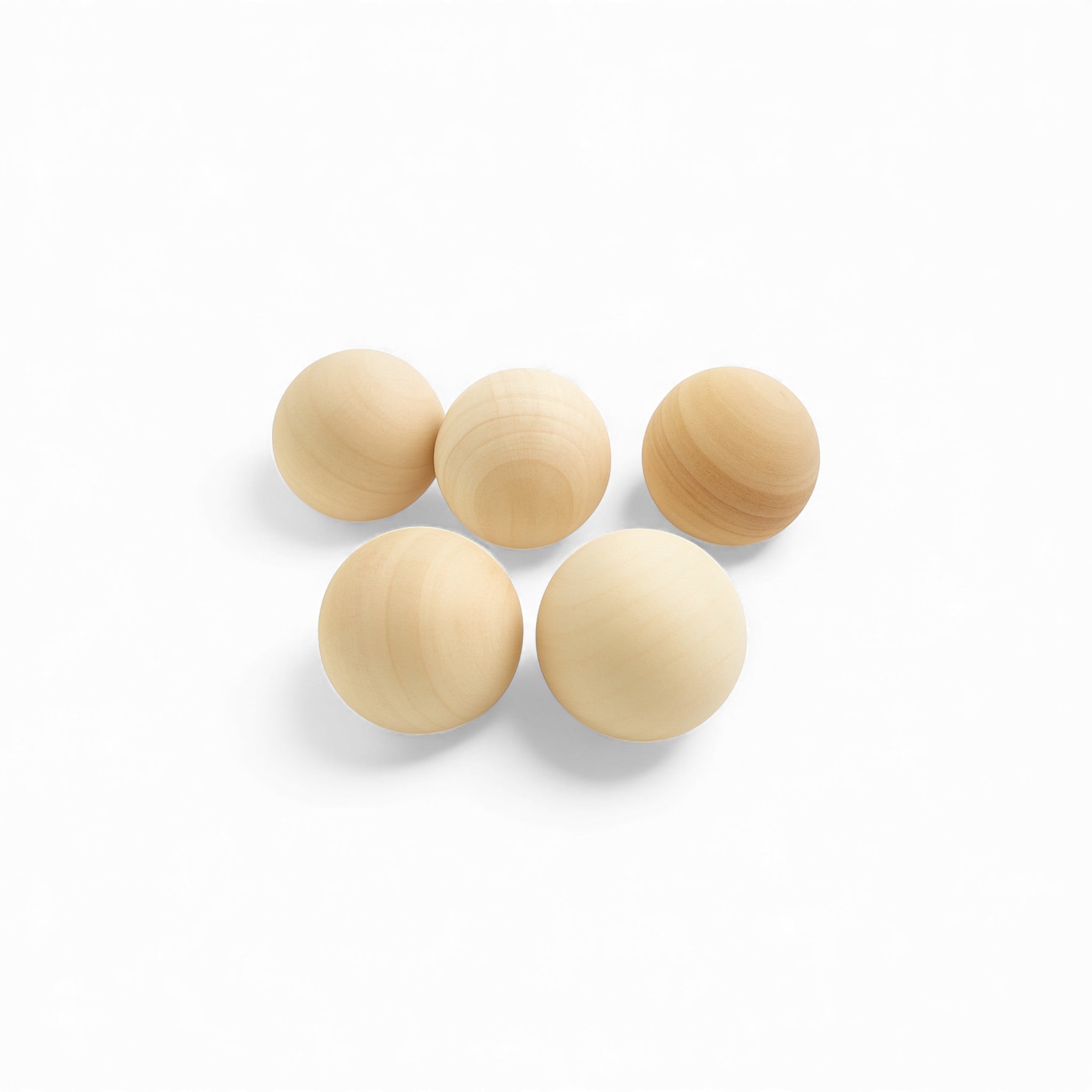
The pallino is the small target ball thrown first to start each frame. Both teams aim their bocce balls at the pallino; the team with the closest ball scores. Pallinos are typically 40 to 60mm in diameter, visibly smaller than the bocce balls.
How long is a typical bocce match?
A 12-point match runs 20 to 30 minutes. A 15-point match runs 30 to 45 minutes. A 21-point tournament-format match can run 45 to 75 minutes depending on team skill level.