The single biggest jump in bocce skill comes from understanding that position beats power. A beginner throws every ball directly at the pallino; an intermediate player thinks about where to position the ball even when they can't reach the pallino directly. These 7 tips cover that mindset shift across throwing, defending, reading the court, and communicating with your partner. None require physical talent or league experience; all are observable across one match of careful play.
Bocce strategy doesn't appear in most rule books because it's tacit. League players pick it up over years of weekly play. This article makes the unspoken explicit. According to the United States Bocce Federation, the strategic depth of sanctioned bocce traces back to Italian club tradition where match outcomes turn on positioning and defense rather than raw arm strength.
Key Takeaways
- Aim for position, not the pallino: a ball 6 inches short of the pallino often beats a ball that overshoots by 2 feet.
- The first ball sets the target distance; throw conservatively to give yourself room to adjust on subsequent rolls.
- Defensive play (blocking, knocking out, sealing approach lines) is half the game; offensive-only teams lose more frames than they realize.
- Read the court surface before every match: dry stone dust plays faster than damp; freshly-raked clay plays slower than packed.
- Communicate with your partner: a doubles team that talks before every roll wins more frames than four good throwers playing solo.
Tip 1: Use your first ball to set a target distance
The first ball of the frame is not about winning the frame outright. It's about establishing a distance the other team must beat. Throw it conservatively, 6 to 12 inches short of the pallino. If the other team overcommits trying to beat your short ball, they create gaps you can exploit on subsequent rolls. If they play conservatively too, you still have 3 balls in hand to attack.
Aggressive first throws (trying to land your ball touching the pallino) often overshoot, and overshoots are harder to recover from than undershoots. According to Encyclopedia Britannica's entry on bocce, traditional Italian-club play emphasizes opening position over opening power, a principle that holds at every skill level.
Tip 2: Defend the lead with a sealing ball
Once you have a ball closest to the pallino, defend that position. Your next ball should land between your existing ball and the pallino, slightly closer if possible, but at minimum positioned to seal the approach line. A sealing ball forces the opposing team to either throw around your seal (harder shot) or knock through it (riskier shot).
This is the single most underused strategy among beginners. Most newcomers throw every ball at the pallino directly; experienced players defend their position once they're ahead in the frame and switch to offense only when behind.
Tip 3: Knock out, don't tap, when threatened
When the other team has a ball closer to the pallino than your nearest, you have two choices: throw a more accurate ball to get inside theirs, or knock their ball out of position. Knocking out (called raffa or pointing) requires more power than a positioning shot, but if you connect, you remove their threat and re-establish the frame on your terms.
The mistake is half-committing: a soft tap that pushes their ball slightly but doesn't move it enough to change the score. Either commit to the knock-out (full release, target the ball directly) or play a positioning shot that ignores their ball and aims for the pallino. Half-committing wastes a throw.
Tip 4: Read the surface before every match
Court surface conditions change daily. Dry stone dust plays faster than damp; freshly-raked clay plays slower than packed; morning dew on grass slows the ball; afternoon sun bakes the surface and speeds it up. Spend the first 2 to 3 throws of each match feeling the surface, not committing to a competitive frame yet. League players sometimes call this a warm-up frame for exactly this reason.
Once you've read the surface, adjust your release force. A court that plays 20 percent faster than expected means a ball thrown at your normal force will overshoot by several feet. According to the Federazione Italiana Bocce, FIB-sanctioned tournament play allows a brief surface-reading period before each match precisely for this calibration.
Tip 5: Throw past the pallino, not directly at it
Counterintuitive, but reliable: aiming slightly past the pallino's line gives you a better resting position than aiming directly at the pallino. Most throws lose a small amount of momentum at the end of their roll, so aiming 1 to 2 feet past the pallino's resting spot often produces a ball that comes to rest near the pallino itself.
The exact margin depends on the surface speed and your release force, both of which you've already calibrated in Tip 4. This adjustment becomes second nature within a few matches of conscious practice. Coverage of bocce technique in Outside Magazine has highlighted the same overthrow-by-a-foot principle as one of the most consistent intermediate-tier improvements in casual league play.
Tip 6: Use your last ball wisely
The final ball of each frame (yours or your opponent's) often decides the score. If you have the last ball and you're winning the frame, throw it as a final-position seal. If you're losing the frame, the last ball is your one chance to either reposition your nearest ball or knock out the opponent's closest. Don't waste a final ball on a low-percentage shot when you have no realistic chance of changing the score.
If the opposing team has the last ball, anticipate their move. If they're behind, they'll likely try to knock out your closest; brace your defensive ball position accordingly. If they're ahead, they may play a sealing throw; consider whether your remaining throws can disrupt that seal.
Tip 7: Communicate with your partner
In doubles play (2 vs 2, each player throws 2 balls per frame), partner communication wins frames. Before each throw, your partner should call out the intended shot (positioning vs offensive vs sealing), and you should agree or suggest an alternative. The 20 seconds spent talking before each roll is the single highest-return strategy investment in doubles play.
Common partner-communication mistakes: not talking at all (each player throws solo), talking too much (over-thinking each frame), or one partner dominating decisions. The fix is brief, structured communication: who's throwing next, what's the intended shot, and whether the other partner sees a different option.
Equipment that supports better strategy
1. Bocce Rule Book: Official Open Rules

Best for: league players who want to know the edge-case rules that shape advanced strategy.
The 15-dollar rule book covers the close-call resolution procedure, the pallino-knock-off-court rules, and the tie-break sequence. Knowing these edge cases lets you make strategic decisions that exploit them (for example, deliberately knocking the pallino if your team is losing the frame and the rules allow a re-throw).
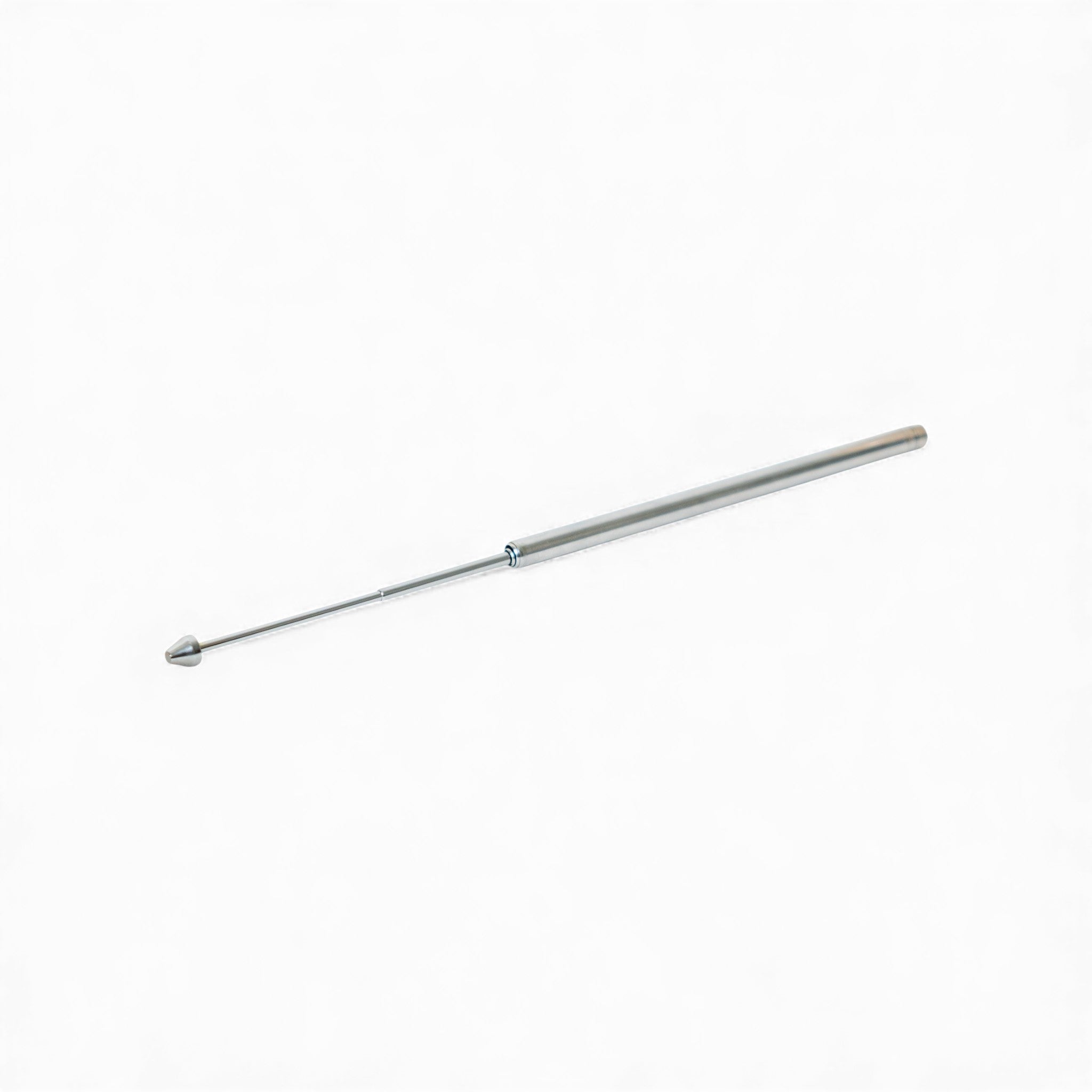
2. Extendable Measuring Device

Best for: verifying close-call frames where the difference is less than a ball's diameter.
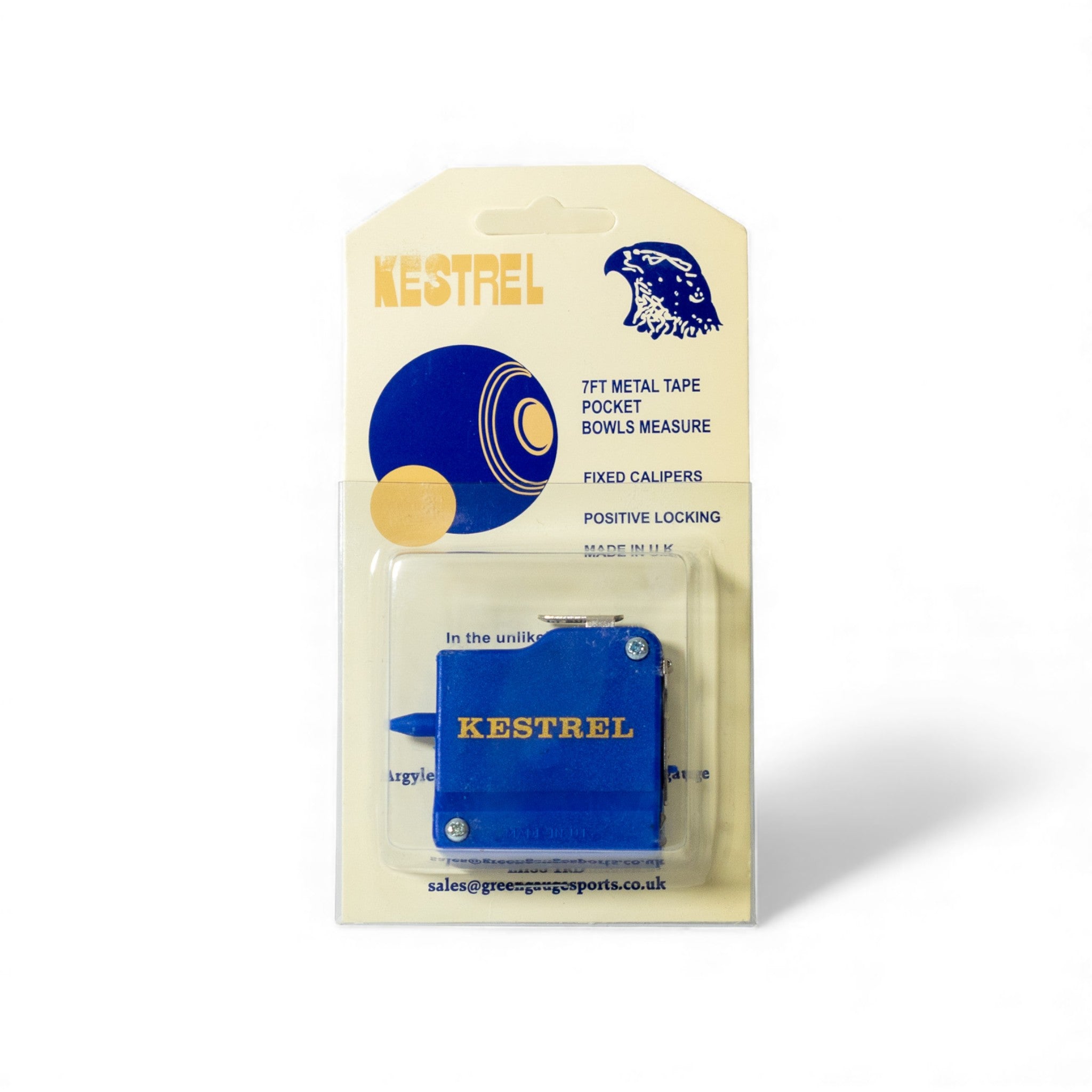
The Extendable Measuring Device at $20 resolves close-call frames objectively. When your defensive sealing strategy works (Tip 2) and your ball ends up nearly tied with the opponent's closest, measurement decides the score. Without it, close frames get eye-balled and disputed; with it, the strategy you executed actually translates to scored points.
3. EPCO 107mm Tournament Set, Pink/Blue

Best for: players who want a regulation tournament set that meets USBF spec for league strategy practice.
The EPCO Pink/Blue tournament set at $275 is the right tool for practicing the strategies in this article. Regulation 107mm raffa diameter ensures the ball rolls behave consistently as you calibrate to surface and release force (Tip 4). USA-made, FIB and USBF tournament-recognized.
Why buy from BuyBocceBalls
We carry the regulation 107mm tournament sets, measuring devices, and rule books that round out a strategy-focused league kit. Most US orders ship in two to four business days from US warehouses. Browse the full bocce ball collection for solid colors, marble colorways, and tournament-grade sets.
Frequently asked questions
Is bocce strategy more important than throwing accuracy?
Both matter, but strategy is the bigger lever at intermediate skill levels. A strategic player with average throwing accuracy beats an accurate thrower who plays without strategy. Once both players have similar strategy, accuracy decides matches.
How do I improve my bocce throwing accuracy?
Practice the surface-reading habit (Tip 4) every match and stop trying to land balls directly on the pallino (Tip 5). These two adjustments improve accuracy more than any technique change because they recalibrate where you're actually aiming.
What's the most-overlooked bocce strategy?
The sealing ball (Tip 2). Most beginners throw every ball at the pallino; experienced players defend their lead with sealing throws that take the line away from the opposing team's next throw.
How long does it take to get good at bocce?
Casual competence comes in 5 to 10 matches of regular play. Intermediate league competence comes in roughly a season of weekly matches (12 to 20 matches). Tournament-tier play is a multi-year skill.