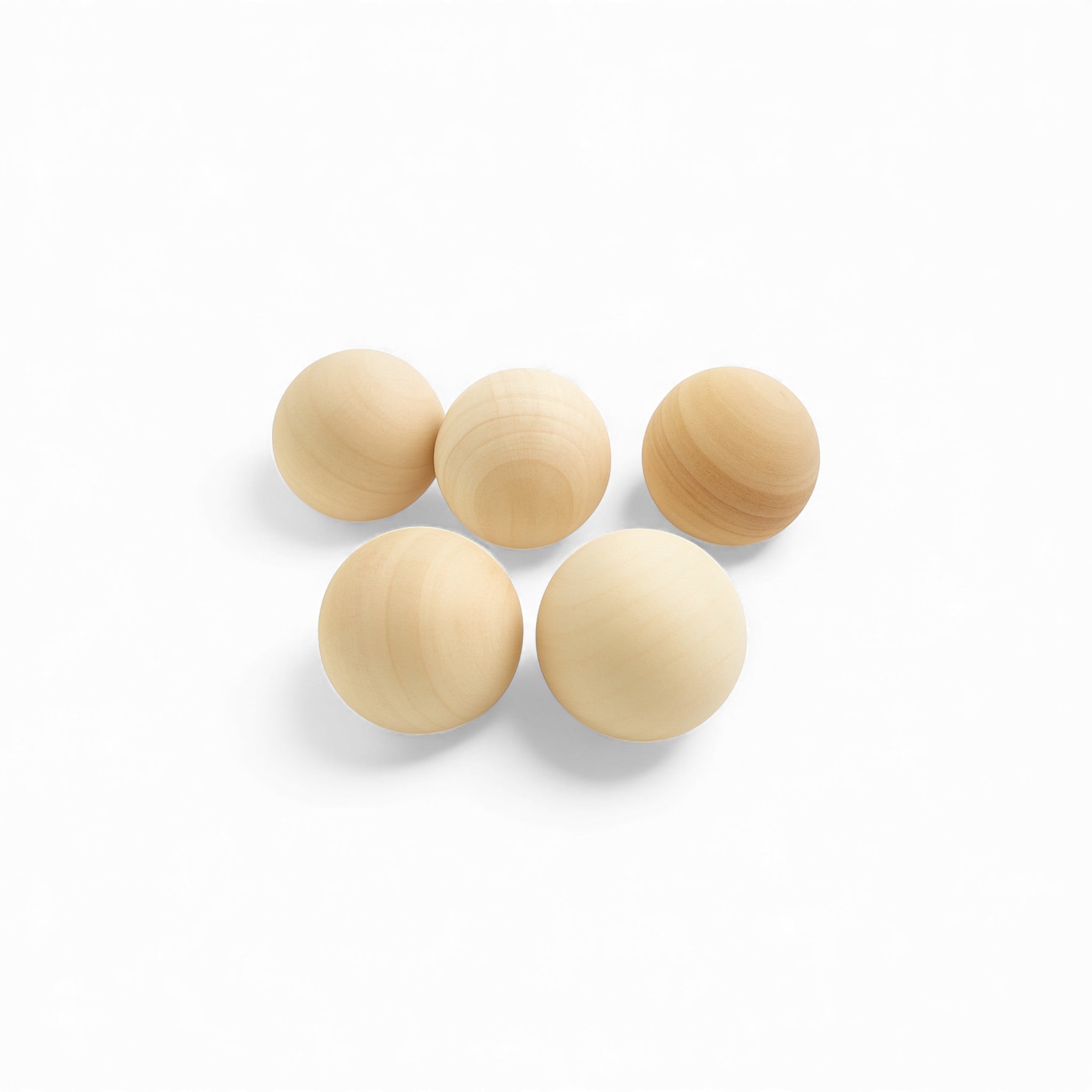
Bocce is an Italian rolling-ball team sport played on a long flat court between two teams of 1, 2, or 4 players each. Each team has 4 large bocce balls in a single color; a smaller target ball called the pallino is shared. To start a frame, one team throws the pallino into the far half of the court. Both teams then take turns rolling their bocce balls toward the pallino. The team with the closest ball scores 1 point per ball closer than the opposing team's nearest. Games are played to 12, 15, or 21 points. Each match runs 20 to 75 minutes depending on the target score.
If you searched what is bocce, you're probably either curious about a game you saw played in a backyard or at a restaurant, planning to buy a set for the first time, or learning the basics before joining a league. This guide covers everything you need: the rules, the equipment, the history, where to play, and how to get started. According to the United States Bocce Federation, bocce is one of the most accessible team sports in the world, with active play in over 50 countries and a continuous tradition tracing back to Roman bocci circa 264 BCE.
Key Takeaways
- Bocce is an Italian rolling-ball team sport played with 8 bocce balls (4 per team) and 1 pallino target ball.
- Two teams of 1, 2, or 4 players each take turns rolling toward the pallino; closest team scores per frame.
- Games end at 12, 15, or 21 points; matches run 20 to 75 minutes.
- Regulation 107mm bocce balls cost $273 to $275 for a full 8-ball set with carry bag.
- Bocce works on grass, stone dust, decomposed granite, synthetic carpet, or any flat 30 to 60-foot surface.
The basic rules of bocce
Two teams alternate rolling 4 bocce balls each toward a small target ball (the pallino). The team with the closest ball after all 8 are rolled scores 1 point for every ball closer to the pallino than the opposing team's nearest ball. The maximum frame score is 4 points (all 4 of one team's balls closer). Games run to a chosen target (12, 15, or 21 points). The team that scored last throws the pallino for the next frame.
The single-team-scores-per-frame rule is what most newcomers find counterintuitive. In bocce, the team without the closest ball gets zero points for that frame, regardless of how many balls they had near the pallino. According to Encyclopedia Britannica's entry on bocce, this scoring convention traces from FIB-era codification in the mid-twentieth century and is universal across modern variants.
The equipment
A regulation bocce set has 9 balls: 8 large bocce balls (4 per team in two contrasting colors) and 1 smaller pallino. The bocce balls are 107mm in diameter (the FIB regulation raffa size) and weigh roughly 920 grams. The pallino is 40 to 60mm. Modern bocce balls are resin; older balls were carved wood, stone, or composite. Federazione Italiana Bocce sets the international regulation standard followed by USBF in North America.
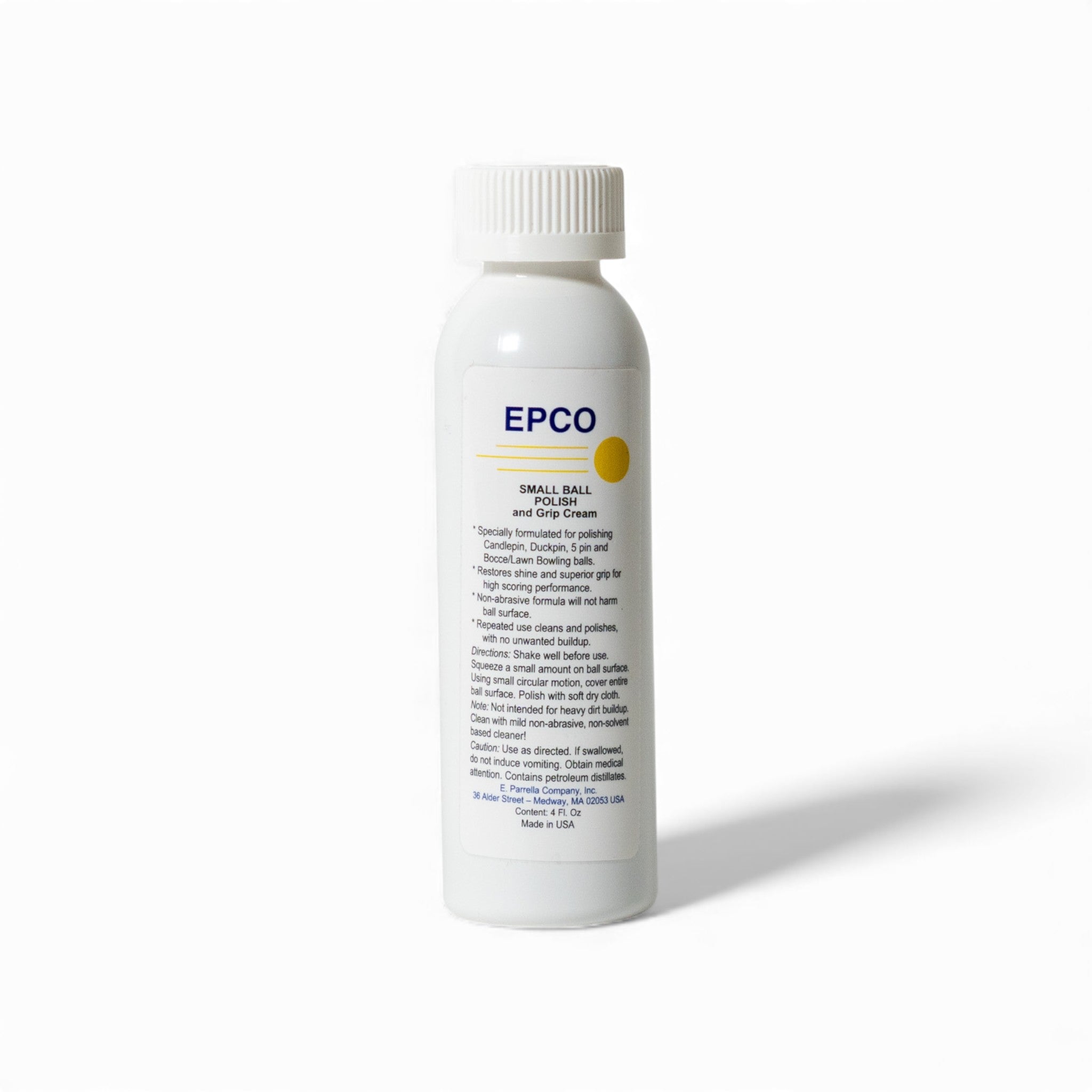
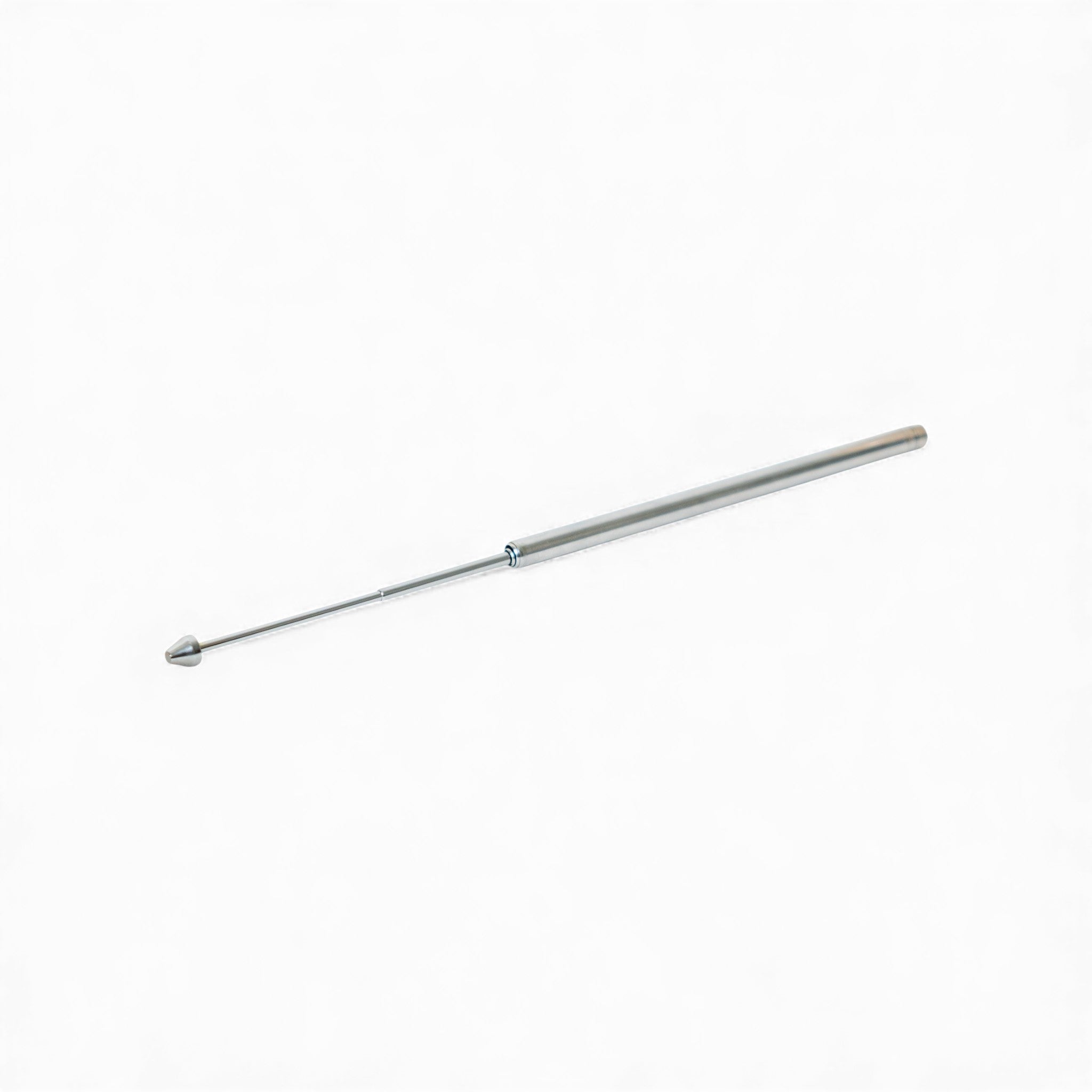
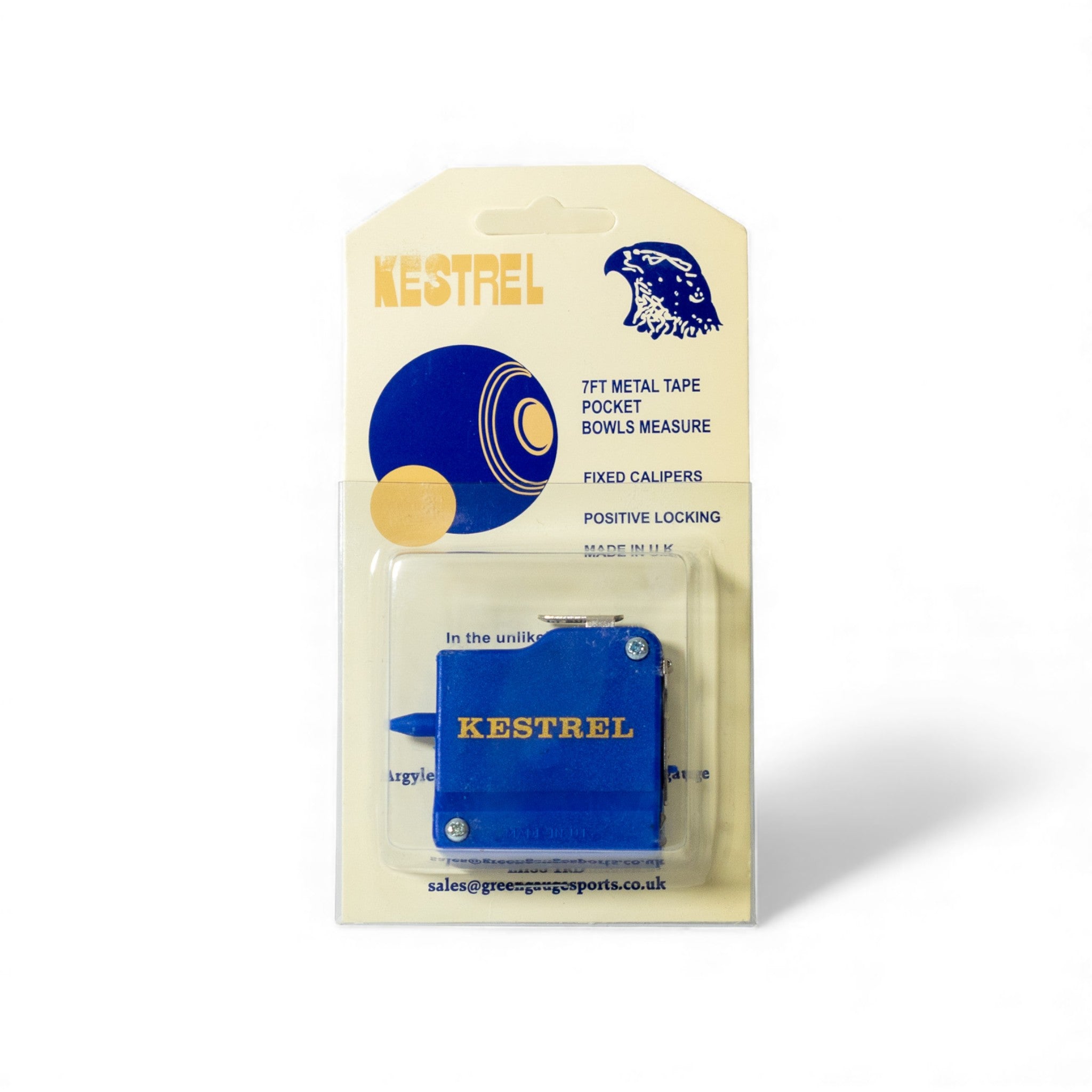
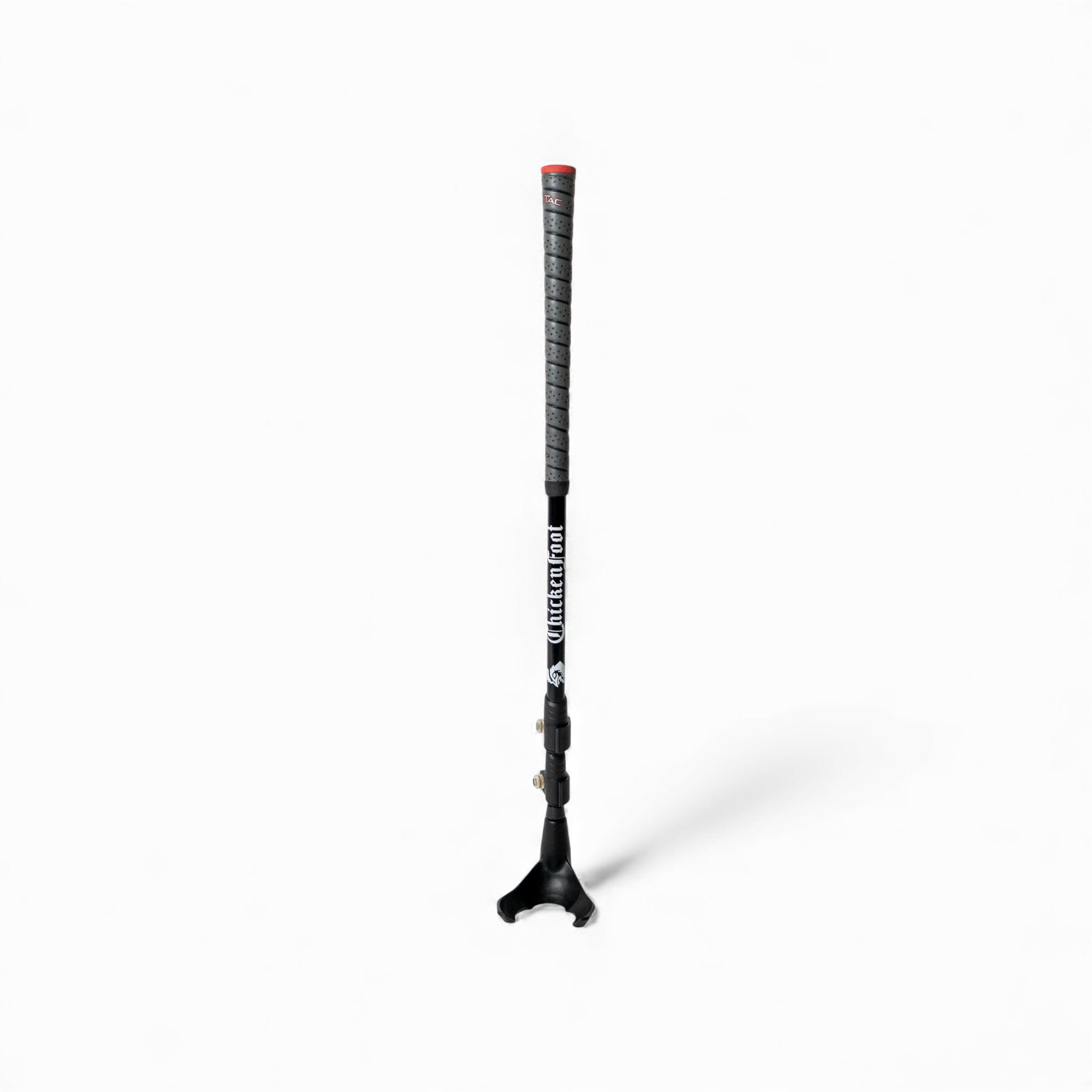
Beyond the balls, optional equipment includes a scoreboard for tracking running totals, a measuring device for resolving close-call frames, a carry bag for transit, and a rule book for league-spec questions. The complete adult-tier kit runs $550 to $570; a starter kit can cost as little as $150 for a 4-ball half-set.
The court
Regulation USBF tournament courts are 12 ft wide by 76 ft long with 4 to 12-inch end walls. Backyard courts often run 8 to 12 ft wide and 50 to 60 ft long. The playing surface can be packed stone dust (the most common), crushed oyster shell (the gold standard), decomposed granite, synthetic carpet (indoor), or short-mown grass for casual backyard play.
You don't need a built court to play. Any flat 30 to 60-foot strip of ground works for casual play. A dedicated stone-dust court costs $1,500 to $5,000 to build DIY and lasts decades with maintenance. Coverage of DIY bocce court construction in Outside Magazine has noted the post-2020 surge in backyard court projects alongside other home recreation upgrades.
The history
Bocce traces back roughly 7,000 years through Egyptian tomb paintings, ancient Greek spheristikia, and Roman bocci. The modern game was codified in Italy in the early twentieth century, formally regulated by the Federazione Italiana Bocce in 1947, and spread to North America through Italian immigration to East Coast, Midwest, and Bay Area cities between 1880 and 1920. The United States Bocce Federation formed in 1976 to coordinate sanctioned league play.
Today, sanctioned bocce operates under three governing bodies. FIB sanctions Italian and international raffa-style play. USBF sanctions North American league and tournament play. CMSB (Confederation Mondiale des Sports de Boules) coordinates international championships across bocce, pétanque, and Italian volo. The recreational game has expanded faster than the competitive scene, particularly across retirement-community leagues in Arizona, Florida, and the Pacific Northwest.
Where to play
Three categories of play exist: backyard casual (your own yard, friend's house, or a neighborhood park strip), public courts (Marconi Plaza in Philadelphia, Mt Tabor Park in Portland, Garfield Park in DC, and similar venues across major cities), and Italian-American club leagues (Famee Furlane Toronto, Italian American Heritage Society Atlanta, Italian Sons and Daughters of America Lodge Pittsburgh, Casa Italiana DC). For year-round play in cold-winter climates, Pinstripes restaurant-bocce venues and Italian-American club indoor courts provide synthetic-carpet alternatives.
Getting started: equipment picks
1. 107 mm 8 Bocce Ball Set Bundle

Best for: the cleanest first-purchase path to regulation 8-ball backyard play.
The 107mm 8-ball bundle at $273 covers everything: 4 balls in one color, 4 balls in a contrasting color, plus the pallino. Regulation raffa diameter and weight. Works for backyard, brewery patio, and casual league play. The standard starter purchase for new adult bocce buyers.
2. EPCO 107mm Tournament Set, Black/White

Best for: serious adult players who want a USBF-tournament-recognized set with a carry bag.
The EPCO Black/White tournament set at $275 is the cleanest contrast pairing in the active line, USA-made, USBF and FIB tournament-recognized, with green-and-maroon carry bag included. The right pick for adults who plan to play more than once a month or who plan to join league play.
3. Bocce Rule Book: Official Open Rules

Best for: new players who want the written rules backing every close call.
The 15-dollar rule book covers the close-call resolution procedure, the pallino edge cases, the team rotation order, and the tie-break sequence. Useful for newcomers settling disputes during their first season of play and for league captains running organized matches.
Why buy from BuyBocceBalls
We carry the regulation 107mm tournament sets, the starter 4-ball bundles, and the accessories that round out a complete kit. Most US orders ship in two to four business days from US warehouses. Browse the full bocce collection for solid colors, marble colorways, and tournament-grade sets.
Frequently asked questions
What is the game of bocce?
An Italian rolling-ball team sport played by two teams of 1, 2, or 4 players. Teams roll 4 large bocce balls toward a small target ball (the pallino); closest team scores 1 point per ball closer than opponent's nearest. Games go to 12, 15, or 21.
Is bocce hard to learn?
No. The rules take 10 minutes to learn and a first match finishes in 25 to 30 minutes. The game has tactical depth that takes years to master, but competent casual play starts immediately.
How is bocce different from pétanque?
Bocce is Italian and rolled with 107mm resin balls; pétanque is French and thrown from a fixed circle with 73mm hollow steel boules. Same target-ball objective, different equipment and throwing motion.
How much does a bocce set cost?
Plastic mass-market sets run $25 to $50 (acceptable for one summer of casual play). Regulation resin sets run $273 to $275 for a full 8-ball bundle. Premium tournament sets with carry bag run $275 to $325.