Building a bocce court is one of the larger backyard projects you can take on. The decisions stack up: dimensions, surface material, foundation depth, drainage, border system, equipment, lighting, and ongoing maintenance. This guide is the pillar for the full bocce court construction topic. The sections below cover each major decision area at a high level and link out to dedicated guides for the topics that need more depth. Start here, then follow the links to dig deeper on whichever decision is next on your list.
Key Takeaways
- Regulation bocce courts run 60 to 91 feet long and 8 to 13 feet wide.
- Packed clay, oyster shell, and crushed stone are the three most common court surfaces.
- Foundation and drainage are the most overlooked construction stages and the easiest to get wrong.
- Border systems run from $200 wood frames to $3,000 stone or composite installations.
- Total backyard court budgets in 2026 run $3,000 to $15,000 depending on size and materials.
Court Dimensions
The first decision is size. Regulation bocce courts measure 60 to 91 feet long and 8 to 13 feet wide per the Federazione Italiana Bocce tournament standard. The United States Bocce Federation recognizes the same dimensions for sanctioned league play. Backyard courts can fit a smaller footprint at 50 by 10 feet for casual play. For deep coverage on dimensions, see our Bocce Court Dimensions guide.
Surface Materials
The surface is the second major decision. Packed clay produces the truest roll and is the standard at sanctioned tournament venues. Oyster shell is the most traditional surface for outdoor club play. Crushed stone and decomposed granite work as cost-effective alternatives. Grass courts require essentially no construction but cannot match the play characteristics of a built surface. Our Best Bocce Court Surfaces guide covers each surface option in depth.
Foundation and Drainage
The foundation and drainage stage is the most invisible and the most important. A court built on poor drainage will pool water for hours after rain and degrade the surface over time. The standard build includes a graded subgrade, a crushed-stone base layer, and a leveled surface course. For complete coverage of foundation and drainage decisions, see our Bocce Court Drainage and Foundation Guide.
Border Systems and Rails
The border keeps balls on the court and contains the surface material. Common choices include pressure-treated wood, composite lumber, natural stone, and concrete. Each has different cost, lifespan, and aesthetic implications. For a head-to-head comparison see our Bocce Court Borders and Rails Guide.
Indoor vs Outdoor Court Decisions
Indoor courts share most of the surface and equipment specifications as outdoor courts but operate in controlled conditions year-round. Outdoor courts are the more common backyard choice and seasonal in most US climates. Our Indoor vs Outdoor Bocce Courts guide covers the tradeoffs in detail.
Total Cost Breakdown
Backyard bocce court budgets in 2026 fall in three tiers. Basic grass or decomposed granite courts run $3,000 to $5,000 of materials and DIY labor. Mid-tier crushed stone or oyster shell courts run $5,000 to $10,000. Premium packed clay or competition-grade builds run $10,000 to $25,000 with professional installation. For the full breakdown of materials, labor, and surface costs, see our DIY Bocce Court Cost Breakdown.
Equipment to Add After Construction
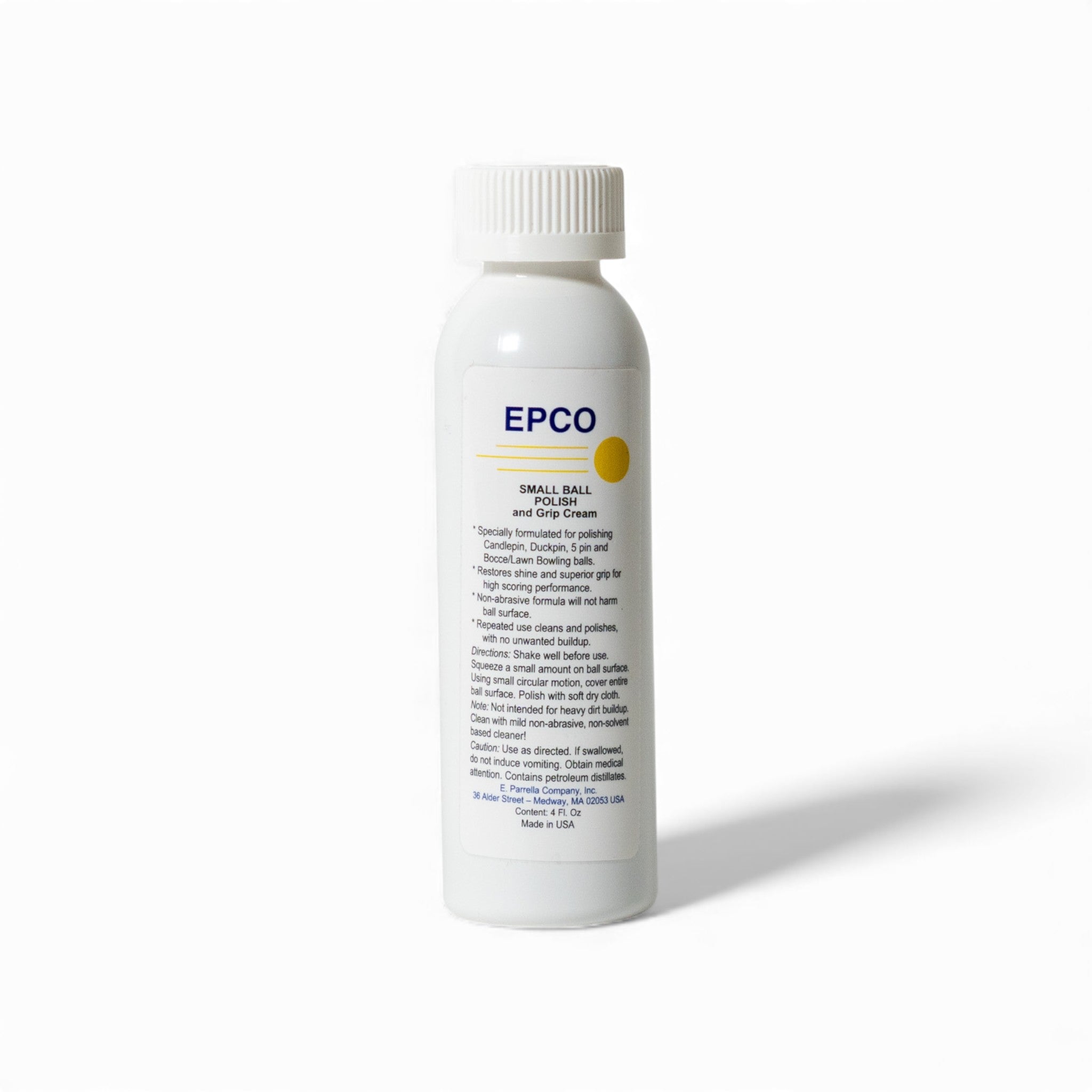
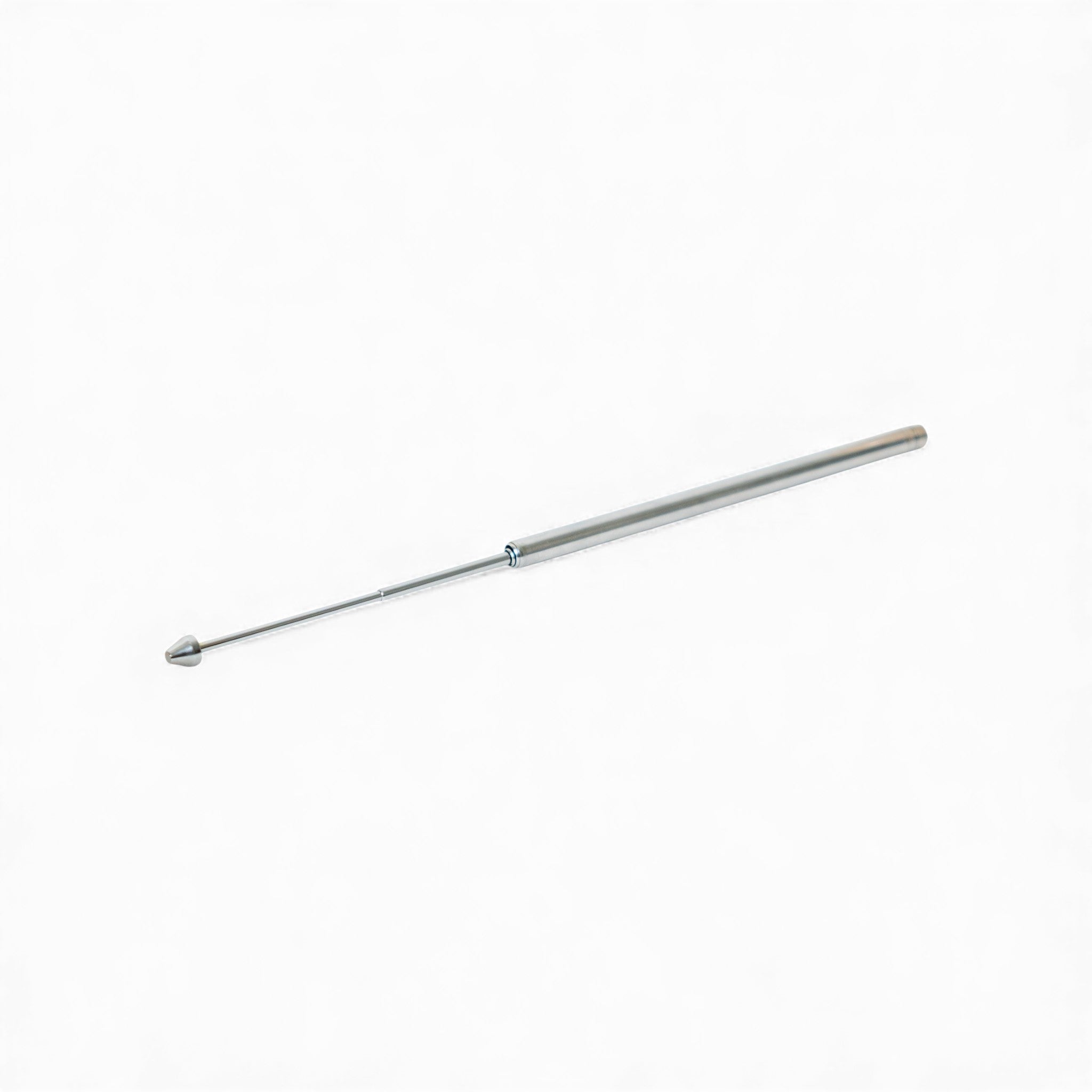
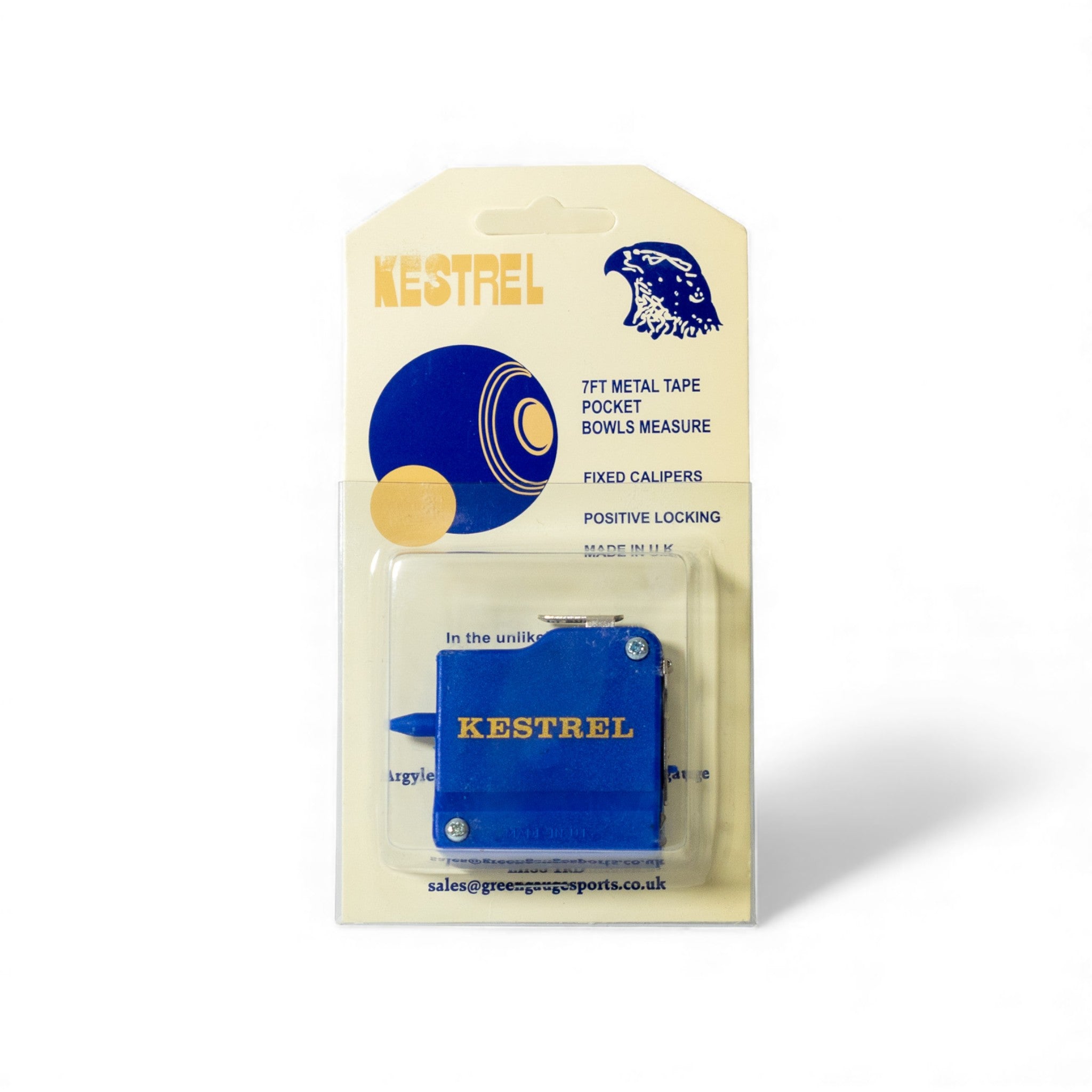
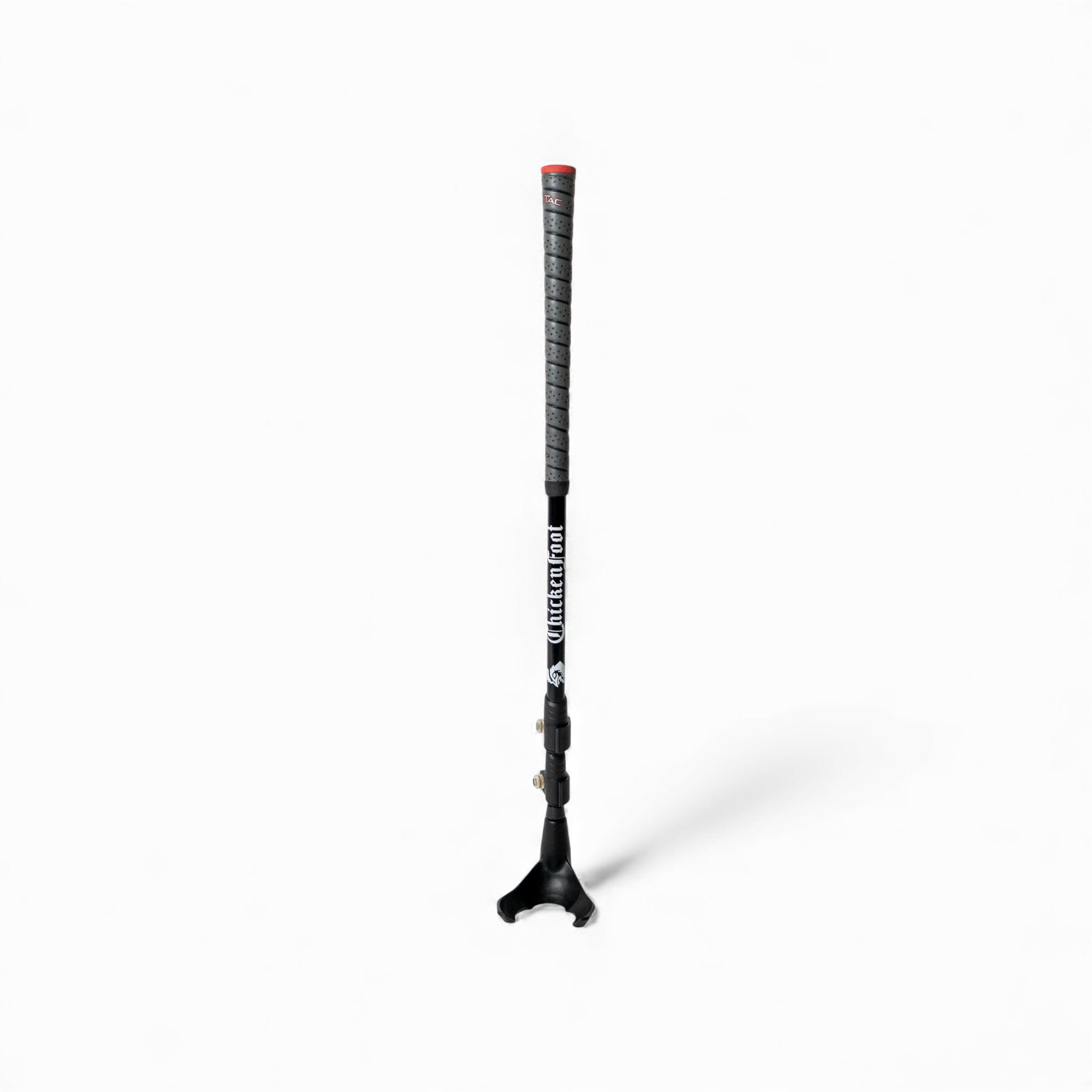
A finished court needs equipment to be playable. A regulation tournament ball set, a drag brush for between-game conditioning, a scoreboard, and a measuring device cover the core kit. For the complete equipment checklist see our Complete Bocce Court Kit Checklist.
107 mm 8 Bocce Ball Set Bundle

Best for: the regulation tournament ball set that pairs with any properly built court. Eight balls plus pallino and bag in one purchase.
Court Maintenance From Day One
A built court needs routine maintenance to stay playable. Drag brushes condition the surface between games. Court lutes level the surface seasonally. Water brooms clear standing water after rain. Coverage of court maintenance in Wirecutter's outdoor recreation guidance reinforces that maintenance tools are part of the initial purchase, not an afterthought.
Bocce Court 6 ft Drag Brush, Handle Model

Best for: the most-used court maintenance tool. Used after every game to recondition the surface for the next throw.
Commercial Court Considerations
Restaurants, breweries, and country clubs building courts as customer amenities face a different set of decisions than backyard owners. Higher daily play volume demands more durable surface materials and bigger maintenance budgets. For the commercial angle see our Bocce Courts for Restaurants and Breweries guide.
The Order of Operations
For most backyard builds the practical order is: confirm the site and dimensions, plan drainage and foundation, install the border, lay the base layer, install the surface course, level and compact, install the playing surface, then purchase equipment. Each stage influences the next. Coverage of bocce in Britannica's entry on the game traces the long European tradition of permanent court installation that this approach continues.
Why Build From BuyBocceBalls Resources
We are a specialty bocce shop with team members who play on built courts in our own league. The construction guides we publish reflect what works in actual installations. We carry the full equipment range needed to outfit a court after construction. Every set ships from our US warehouse in one to two business days. For commercial projects or large backyard installations, our team can advise on equipment configurations.
Frequently Asked Questions
How much does it cost to build a bocce court?
Backyard courts run $3,000 to $25,000 depending on surface materials and labor. Most DIY builds land in the $5,000 to $10,000 range.
What size is a regulation bocce court?
60 to 91 feet long and 8 to 13 feet wide per FIB tournament regulation.
What surface is best for a bocce court?
Packed clay for tournament play. Oyster shell for traditional outdoor club courts. Crushed stone for cost-effective DIY builds.
How long does a bocce court take to build?
A DIY backyard court typically takes 2 to 4 weekends. Professional installation runs 1 to 2 weeks depending on scope.
Do I need a permit to build a backyard bocce court?
Permit requirements vary by municipality. Most courts under 1,000 square feet do not require permits, but check local zoning before starting.