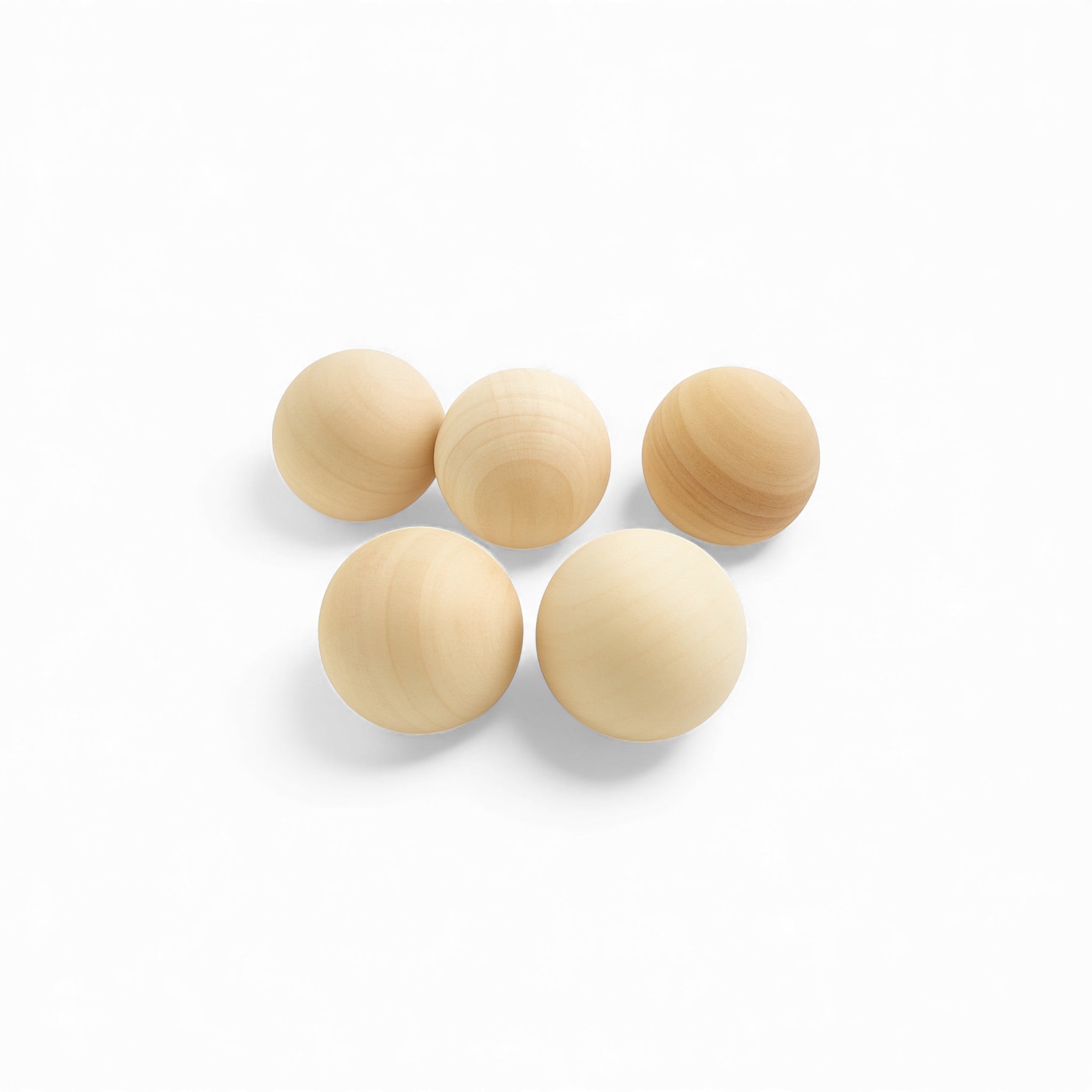
Outdoor bocce courts are the traditional choice, with lower build cost and the classic feel of oyster shell or stone dust underfoot. Indoor bocce courts deliver climate control, year-round play, and softer surfaces like carpet or synthetic turf, at the cost of a higher upfront build. Your best fit depends on climate, budget, and how often you plan to play.
According to Encyclopedia Britannica's entry on bocce, the sport has been played on hard outdoor surfaces since ancient Roman times, and modern recreational play has spread to clubhouses, retirement communities, and indoor sports facilities across the United States. Choosing the right environment for your court is what separates a setup that gets used weekly from one that sits idle for half the year.
Key Takeaways
- Outdoor courts run roughly $1,500 to $10,000 for a 60-by-12-foot DIY build, with oyster shell at the high end and stone dust at the low end.
- Indoor courts cost more because of the building shell, but unlock 365-day-a-year play in any climate.
- Outdoor regulation surfaces include oyster shell, crushed stone, and clay, while indoor courts commonly use carpet, synthetic turf, sealed wood, or sport tile.
- EPCO 107mm and 110mm resin balls work on both indoor and outdoor surfaces and meet FIB and USBF tournament specs.
- In climates with hard winters, an indoor court delivers two to three times the usable days of an outdoor court protected only by a fence canopy.
The core difference between indoor and outdoor courts
The core difference is environmental control. Outdoor courts live with the weather. Rain compacts the surface, wind redirects rolls, and freeze-thaw cycles will heave any court that was not built with proper drainage and edge containment. Indoor courts remove every one of those variables. The surface stays the temperature you set it to, lighting is consistent, and play happens whether it is February in Boston or July in Phoenix.
That control comes at a cost. A DIY backyard outdoor build sits in the $1,500 to $10,000 range depending on surface choice and edging, as covered in our guide to bocce court dimensions. Indoor courts add the building itself: a barn, a basement renovation, a converted garage, or a dedicated sports facility. The structure cost frequently exceeds the court cost.
Climate is the deciding factor. In dry-summer, mild-winter regions (California, the Southwest, parts of the Sun Belt), an outdoor court sees steady year-round use. In the Northeast, Midwest, or Mountain West, an outdoor court often sits unusable for four to six months a year, which is when an indoor option starts to make sense.
Outdoor bocce courts: pros and cons
Outdoor courts are the historical default and still the most common build in North America. Outdoor play is what the Federazione Italiana Bocce (FIB) codified as the regulation environment, and major US tournaments are typically played outdoors on tournament-grade oyster shell or stone dust surfaces.
The advantages are real. Build cost is lower with no structure to pay for. The court reads as a centerpiece for a backyard or club, integrating with patios, gardens, and outdoor kitchens. Oyster shell and crushed stone deliver the slow, true roll that tournament players prefer. A properly built har-tru or shell court can last 15 to 20 years with annual maintenance.
The downsides are seasonal. Snow, ice, standing water, and frozen ground take an outdoor court offline for months in cold climates. Wind affects shot placement on lighter surfaces. Direct afternoon sun makes summer play uncomfortable in hot climates. Maintenance is ongoing: weekly brushing, occasional watering, seasonal lute work, and periodic top-dressing all add up over the life of the court.
Indoor bocce courts: pros and cons
Indoor courts solve the seasonality problem and have grown rapidly at private clubs, retirement communities, breweries, and adaptive-reuse warehouses. Clubs affiliated with the United States Bocce Federation in cold-climate cities increasingly run winter leagues indoors on synthetic turf or carpet so play continues through the season.
The advantages are usability and comfort. Year-round access is the biggest win: 365 days of play in any climate, with zero weather cancellations. Lighting is consistent, which matters for evening leagues. Climate control means a 72-degree game in January or August. Spectator comfort drives league signups and tournament attendance because seating, restrooms, and refreshments are all close by.
The trade-offs are cost, footprint, and feel. A regulation 91-by-13-foot court takes about 1,200 square feet of floor, and most builds add a 6-to-10-foot apron for spectators, plus the building shell. Indoor surfaces play faster than outdoor stone dust because the material is denser and more uniform, which casual players enjoy and tournament traditionalists sometimes resist. Ventilation, heating, cooling, and lighting also become recurring costs you would not have outdoors.
Surface choices that fit each environment
Outdoor surfaces are dictated by drainage and durability. The common choices are oyster shell flour over a crushed-stone base (the gold-standard tournament surface), pure crushed-stone dust (cheaper, slightly slower roll), and clay (least common in North America, traditional in some European clubs). All three drain naturally with the right base prep and edge containment.
Indoor surfaces have to handle decades of foot traffic without dust or breakdown. The four common options are commercial low-pile carpet (fast and forgiving, used in many recreational clubrooms), synthetic turf (the most realistic indoor approximation of stone dust), sealed wood or plywood (rare outside historic clubhouses), and sport tile (durable and easy to clean, but plays fast and is not regulation for sanctioned tournament use).
If you plan to host sanctioned tournament play, check your governing body's surface specs before you commit. Recreational play is far more forgiving: a backyard stone dust court and a basement carpet court will both deliver a good game for friends and family. Outside Magazine regularly covers backyard sports as a way to build community at home, and bocce earns a steady mention because it works on so many surface types.
Gear that works indoors and outdoors
These four picks cover the ranges most readers ask about, and they hold up across both indoor and outdoor settings.
1. 110 mm 8 Bocce Ball Set Bundle

Best for: regulation play on outdoor stone dust or indoor synthetic turf.
The 110mm tournament size is the most versatile choice if you split time between indoor and outdoor courts. It meets FIB tournament specs, plays predictably on both faster and slower surfaces, and the resin construction handles temperature swings without warping. The 8-ball set includes the pallino required for sanctioned league play.
2. Amazing Light Up GLO Bocce Set - 107mm

Best for: indoor evening play or low-light outdoor games.
LED-illuminated balls turn evening play into a feature. The 107mm size matches the most common backyard preference, and the internal lights run for hours on a battery cycle. On indoor courts with dimmed lighting, the glow effect is genuinely fun for parties and after-hours league events.
3. Bocce Aussi Clean Sweep 4'

Best for: outdoor stone dust or har-tru surface maintenance.
A 4-foot stainless steel brush built specifically for bocce surface care. The fine bristles redistribute the top layer of material without digging into the base, the most common maintenance step before any outdoor game. Indoor carpet and synthetic turf courts do not need this tool.
4. 4'x10' Green Fence Canopy

Best for: outdoor courts that need wind, glare, or privacy control.
A fence-mounted canopy reduces wind interference, blocks low-angle sun, and creates a more contained feel around an outdoor court. Two or three 4-by-10 panels along a side rail give meaningful weather protection during shoulder seasons. Courts oriented east to west benefit the most.
Why buy from BuyBocceBalls
We have served bocce buyers across the United States for over a decade, with a catalog covering everything from a $25 family resin set to a fully outfitted club court. Our team plays the sport, builds courts, and tests every product we list. We ship from US warehouses with fast turnaround, and our customer support is staffed by people who can answer specific build questions about your indoor or outdoor project. Browse our bocce court accessories collection for everything from canopies to maintenance tools.
Frequently asked questions
Can you play bocce indoors on carpet?
Yes. Commercial low-pile carpet is a common indoor bocce surface. The roll is faster than outdoor stone dust, but the geometry of the game is the same. Many community centers and private clubs run their winter leagues this way.
How much does an outdoor bocce court cost to build?
A DIY backyard outdoor court typically runs $1,500 to $10,000 depending on size, surface choice, and edging. Oyster shell tournament-grade builds sit at the high end. Stone dust builds are usually the most cost-effective.
Do indoor courts use the same balls as outdoor courts?
Yes. Regulation 107mm and 110mm EPCO resin balls work on both indoor and outdoor surfaces. The roll speed will differ because the surface is different, but the balls themselves are identical. Many clubs use 107mm for casual play and 110mm for tournament play regardless of environment.
Is bocce good exercise for older adults?
Yes. The Harvard Health Publishing exercise and fitness resources flag low-impact activities like bocce, walking, and lawn games as ideal for joint health and social engagement in later life. Bocce involves walking, light bending, and underhand throws that suit a wide range of mobility levels.
How big does an indoor bocce court need to be?
Regulation 91-by-13-foot or 60-by-12-foot footprints work indoors as well as outdoors. Most home indoor builds use the smaller 60-by-12-foot size to fit in a basement, garage conversion, or barn. Allow at least 3 to 6 feet on each side for spectator and access space.