The essential bocce accessories you actually need are a padded ball bag, replacement pallinos (the small target ball), ball polish for tournament-grade resin balls, and basic court maintenance tools like a lute or drag brush. Most casual players can stop after the bag and a spare pallino, while serious players and court owners add the polish, brush, and surface tools over time. Spend on what matches how often you play, not what every accessory page lists.
Bocce gear lasts a long time. A tournament-grade 107mm resin set bought today will still roll true in 2046 if you store and care for it, which is why the right accessories pay back over decades, not seasons. Worldwide governance of the sport sits with the Federazione Italiana Bocce, and the equipment standards they publish frame what each accessory is actually protecting.
Key Takeaways
- A padded bocce bag is the single highest-value accessory because it protects regulation balls from chips and keeps your set portable to courts and parks.
- Pallinos go missing more often than the eight scoring balls, so keep a 4-pack of 51mm or 57mm replacements on hand.
- Tournament resin balls benefit from a wipe of dedicated bocce polish every dozen games or so to preserve a true roll and consistent finish.
- Backyard courts only need a drag brush and a lute; competitive clay or oyster-shell courts add a roller, sopper, and atomic clock.
- Mass-market sets ship with everything in a thin cardboard box; tournament-grade EPCO sets are usually sold without a bag, so plan to buy one separately.
Why accessories matter more than you think
Most players buy a bocce set, play with it for a few weeks, then either lose interest or get serious. The set itself, especially a tournament-grade EPCO 107mm set, will last decades with reasonable care. The accessories you buy in the first year decide whether the set stays playable for that long or ends up scratched and incomplete in the garage.
This guide walks through six categories in order of usefulness, with notes on what casual players need versus what tournament players and court owners should plan for. Reference points come from the FIB above and the United States Bocce Association, the national federation for tournament play in the US.
1. The bocce bag: your first accessory purchase
If you only buy one accessory, buy a bag. Eight resin balls plus a pallino weighs about seven and a half kilograms, and that weight is awkward to carry in a basket or a tote. A purpose-built bocce bag has reinforced handles, padded dividers that keep the balls from clattering, and a shape designed for the EPCO 107mm size.
Beyond protection, a bag changes how often you play. A set that lives in the garage in pieces stays in the garage. A set that lives in a labeled bag by the front door gets thrown in a car for a park trip and ends up at more friends' houses.
Black Bocce Ball Bag with Black Handles

Best for: any player carrying an 8-ball regulation set to courts or parks.
This is the workhorse pick. The padded interior fits a full 8-ball 107mm or 110mm set plus a pallino, and the wide reinforced handles distribute the weight across a full hand instead of bunching it. Black holds up to dirt and grass stains better than lighter colors, which matters if you actually use it. See the Black Bocce Ball Bag with Black Handles for the standard configuration.
2. Replacement pallinos: the part you will lose first
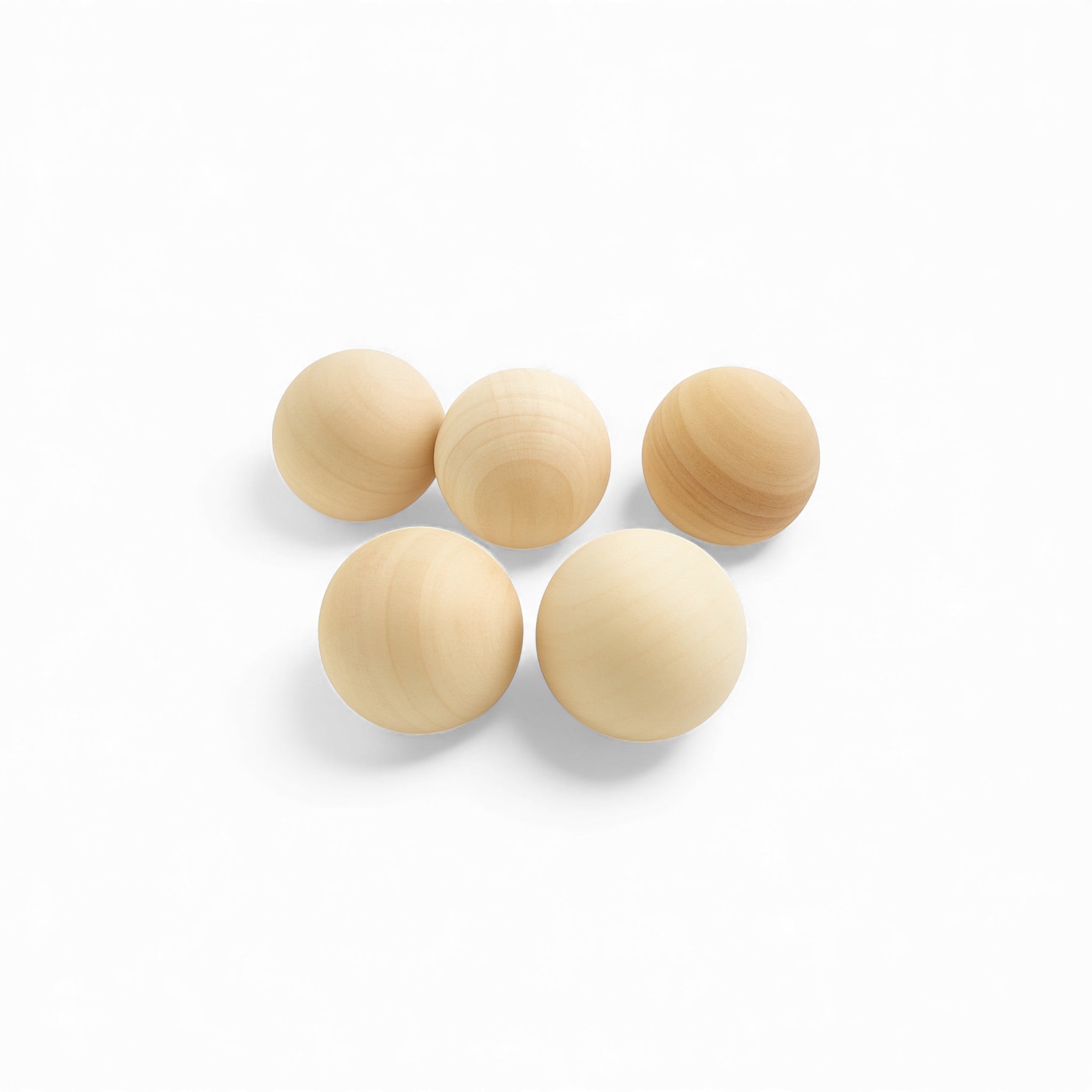
The pallino is the small target ball that defines each frame. A regulation pallino is 51mm or 57mm depending on the rules set, and because it is small, bright, and easy to overlook on a lawn, it is the single part of a bocce set that goes missing most often. Players lose pallinos in hedges, in long grass, under porches, and on beaches.
Keeping a replacement pack of four pallinos in your bag is one of the cheapest forms of insurance in the sport. A pack costs about as much as one tournament-quality ball. Some clubs also keep a mixed-color pack for visibility against different surfaces (white on grass, yellow on clay, red against snow for winter play).
51mm Mixed Replacement Pallino Packs

Best for: households or clubs that play on different surfaces and want pallino color flexibility.
This pack ships with four 51mm pallinos in mixed colors, which is the most useful single pallino purchase you can make. Use a yellow pallino against a green lawn for contrast, switch to white on clay, and pull out the red one for snowy backyard games. The 51mm size is standard for casual play; if you play under the larger international rule set, the 57mm version is the same idea in tournament size.
3. Ball polish and care
Tournament resin bocce balls are smooth on purpose. The factory finish gives a consistent roll, but dirt, grass stains, and clay residue dull that finish over time. Dedicated bocce polish is a soft compound you apply with a cloth. It removes light surface grime without abrading the resin, and a single bottle lasts a year of regular play.
This is the accessory most casual players skip and most serious players swear by. If you play once a month on a backyard lawn, a damp cloth wipe-down handles the routine. If you play weekly on dirt or oyster-shell, a quick polish every dozen games keeps the balls rolling like they are new.
Any Pallina and Polish by EPCO

Best for: tournament-set owners who want one easy maintenance bundle.
This bundle pairs an EPCO pallina with a bottle of EPCO bocce polish, and it covers both of the most common follow-up purchases in one order. EPCO makes the polish for its own resin formulation, so the chemistry matches the balls. Apply a small amount with a microfiber cloth after dusty games. The Any Pallina and Polish bundle is a sensible add-on for any new EPCO 107mm or 110mm set.
4. Court maintenance tools (only if you have a court)
If you play on a grass lawn, skip this section. If you have a clay, oyster-shell, har-tru, or sand court, you need two tools: a drag brush and a lute. The brush smooths the surface between games; the lute (a flat metal blade on a long handle) levels divots and high spots before play. Together they take about five minutes a session and they are the difference between a court that plays true and one where the balls bounce off ridges.
Larger investments like rollers and sweepers belong to courts that host league play. For a typical backyard court of 60 by 12 feet, a brush and a lute will keep things playable. Outside Magazine has covered the broader boom in home court design alongside the boules sports.
48-Inch Wide Court Lute and Scarifier

Best for: homeowners with a backyard clay or oyster-shell court who want one tool that levels and aerates.
The 48-inch width covers a standard backyard bocce court lane in efficient passes, and the dual-purpose head works as a lute (flat side) for leveling and a scarifier (toothed side) for breaking up packed surface before you re-level. Aluminum keeps it light enough to use one-handed. For more intensive surfaces, pair it with a 6-foot stainless drag brush; the two tools together are the standard backyard kit.
5. Scoreboards, measuring devices, and signage
These are the optional category. None of them are required to play, but they make a backyard court feel like a real venue and they remove the most common rules arguments: who is closest, and what the score is.
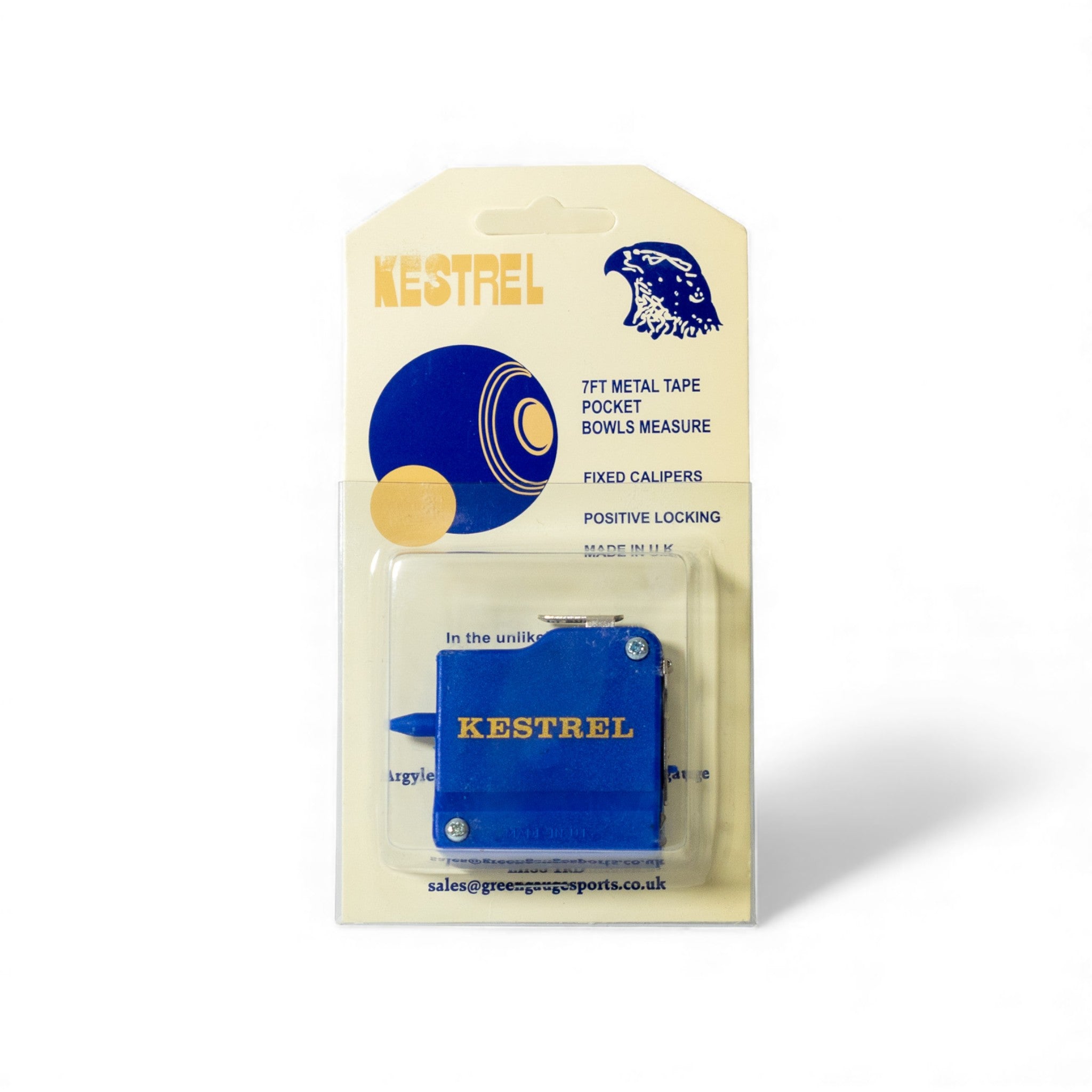
A flip-style scoreboard on a stand eliminates running-count debates in long games (regulation bocce plays to 12 or 16 points, and the USBA rules page spells out both formats). A measuring device, usually a thin pivoting caliper or a marked string, settles claims of who is closer to the pallino without anyone needing to crouch and argue. Signs and engraved court markers are pure flair, but they are part of why backyard bocce courts photograph so well in lifestyle features in places like the New York Times Sports section.
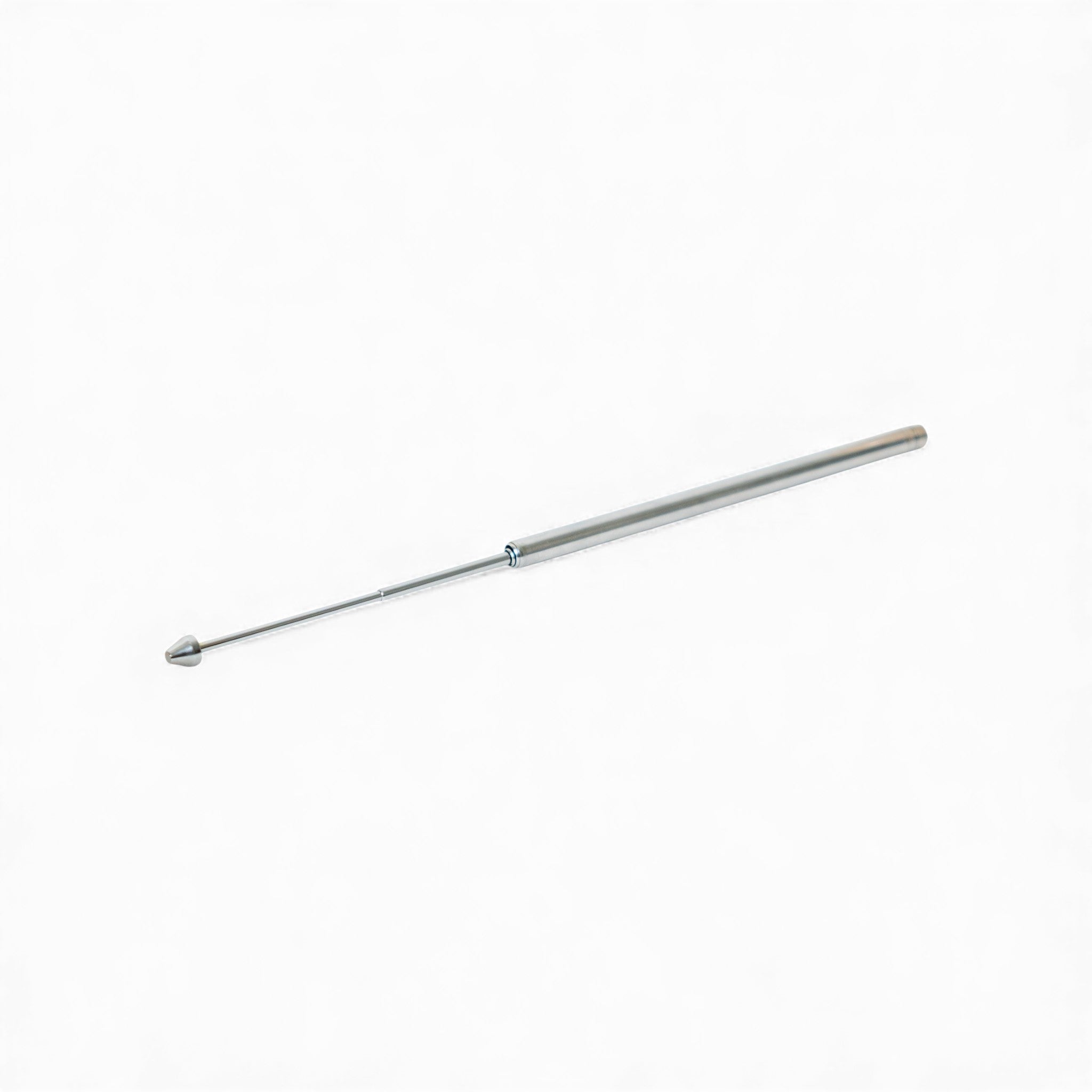
If your court evolves, browse the measuring devices and scoreboards collections. These are the year-two additions.
6. What you can safely skip (at first)
Plenty of accessory pages list ramps, throwing aids, and competition stopwatches. For most players, these are optional indefinitely. Ramps matter when older players or players with limited mobility join in. Throwing aids are niche enough that you will know if you want them.
The honest version of the accessory-buying journey is this: bag first, pallinos second, polish third, court tools only if you own a court, everything else only when you actually feel the lack of it. For a deeper look at how court surfaces shape the rest of the equipment list, see our guide to bocce court surfaces and the comparison of indoor versus outdoor courts. For broader background on the sport, see Encyclopedia Britannica's bocce entry.
Why buy from BuyBocceBalls
BuyBocceBalls is a US specialty retailer focused on bocce, not a general-purpose sporting goods site. We carry the full EPCO tournament line in dozens of colorways, real replacement pallinos in both 51mm and 57mm sizes, EPCO bocce polish, and the court tools that backyard owners actually use. Shipping is from US warehouses, customer support is staffed by people who play the sport, and the catalog is curated rather than exhaustive.
If you are setting up from scratch, the easiest path is to browse the full accessories collection after you pick a set, or jump straight to bocce bags if you already own a set and just need the carry case.
Frequently asked questions
What accessories come with a typical bocce set?
Most retail sets include eight bocce balls, one pallino, and a thin cardboard box or molded plastic insert. They rarely include a carry bag, polish, replacement pallinos, or court tools. Tournament-grade EPCO sets are similar: balls and a pallino, no bag. Plan to buy a bag at minimum.
How often should I polish bocce balls?
For weekly play on dirt or oyster-shell, polish every dozen games or so. For monthly backyard grass play, polishing once or twice a year is enough. A damp cloth wipe-down after each game handles most routine cleaning without needing the polish.
What size pallino should I buy as a replacement?
Match your rule set. The 51mm pallino is standard for most US recreational and casual play; the 57mm pallino is used for international and many tournament rules. If you are unsure, buy the 51mm pack, since most household sets ship with that size.
Do I need a court lute for a grass lawn?
No. A lute is for clay, oyster-shell, har-tru, or sand surfaces where you need to level divots before play. Grass courts only need mowing and occasional aeration, which is handled by your normal lawn care.
How heavy is a typical bocce bag with a full set inside?
A full 8-ball 107mm tournament set with a pallino weighs roughly seven and a half kilograms (about 16.5 pounds) before the bag itself. A padded bocce bag adds another half kilo or so. Plan for a 17 to 18 pound carry weight when fully loaded.