Officiating bocce is its own discipline. The skills develop over years of patient study of the rulebook and quiet observation of experienced referees, and hundreds of small rulings made in real time. A capable official holds the rulebook in memory, positions the body before the ball leaves the hand, and delivers decisions in a tone that puts the question to rest. This guide covers what the work looks like across every tier of the game in 2026, from local leagues where players often call their own fouls up through sanctioned championships where certified panels manage individual courts. For related rules coverage see our Bocce Rules for Dispute Resolution.
Key Takeaways
- Officiating bocce requires deep rulebook knowledge and steady judgment under pressure, and those skills develop separately from personal playing ability.
- USBF certification is the recognized credential for sanctioned tournament work in the United States, and FIB certification opens international assignments to officials who complete it.
- The core of the job is match management, which covers rules enforcement, foot fault and boundary calls, close-call measurement, and dispute resolution as it arises.
- Physical positioning matters as much as rulebook knowledge, because a referee at the wrong angle at the moment of release cannot make a defensible call on a marginal foot fault.
- Every tier of the game needs officials, from casual leagues that lean on volunteers up to national championships that use multi-official panels with video review.
Reading the court and making the call
Every official starts with complete rulebook mastery. Regulation court dimensions, foul-line placements, dead-ball conditions, measurement protocols, and the finer scoring specifics all have to be recallable without hesitation. The USBF Open Rules and the FIB Punto-Raffa-Volo rules are the two primary references in North American work, and coverage of rules mastery in United States Bocce Federation certification materials treats rulebook fluency as a prerequisite for any sanctioned assignment. Officials who work regularly reread the current edition every season and mark the amendments as they publish.
Foot fault calls are the most common source of disagreement in league and tournament play, and they reward patient observation across the full match. The referee positions at the throwing end with a clean line of sight to the pointe or raffa line, watches the release moment itself, and notes foot position at the exact instant the ball leaves the hand. Consistency across the entire match is what earns respect from players. For four-meter line coverage see our Bocce Rules for the 4-Meter Line.
Ball position rulings depend on the same discipline of careful angle selection. Whether a ball sits on the line or beyond it, whether it counts as dead or playable, whether it shifted after coming to rest, each decision requires the referee to be standing at the right place before the moment arrives. Experienced officials build a mental map of the court and pre-position based on where the incoming ball is likely to end its travel, so the ruling is already framed by the time the ball comes to rest.
Bocce Rule Book: Official Open Rules

Best for: bocce referees and officials who reference the official USBF rulebook for match rulings. Essential reference material.
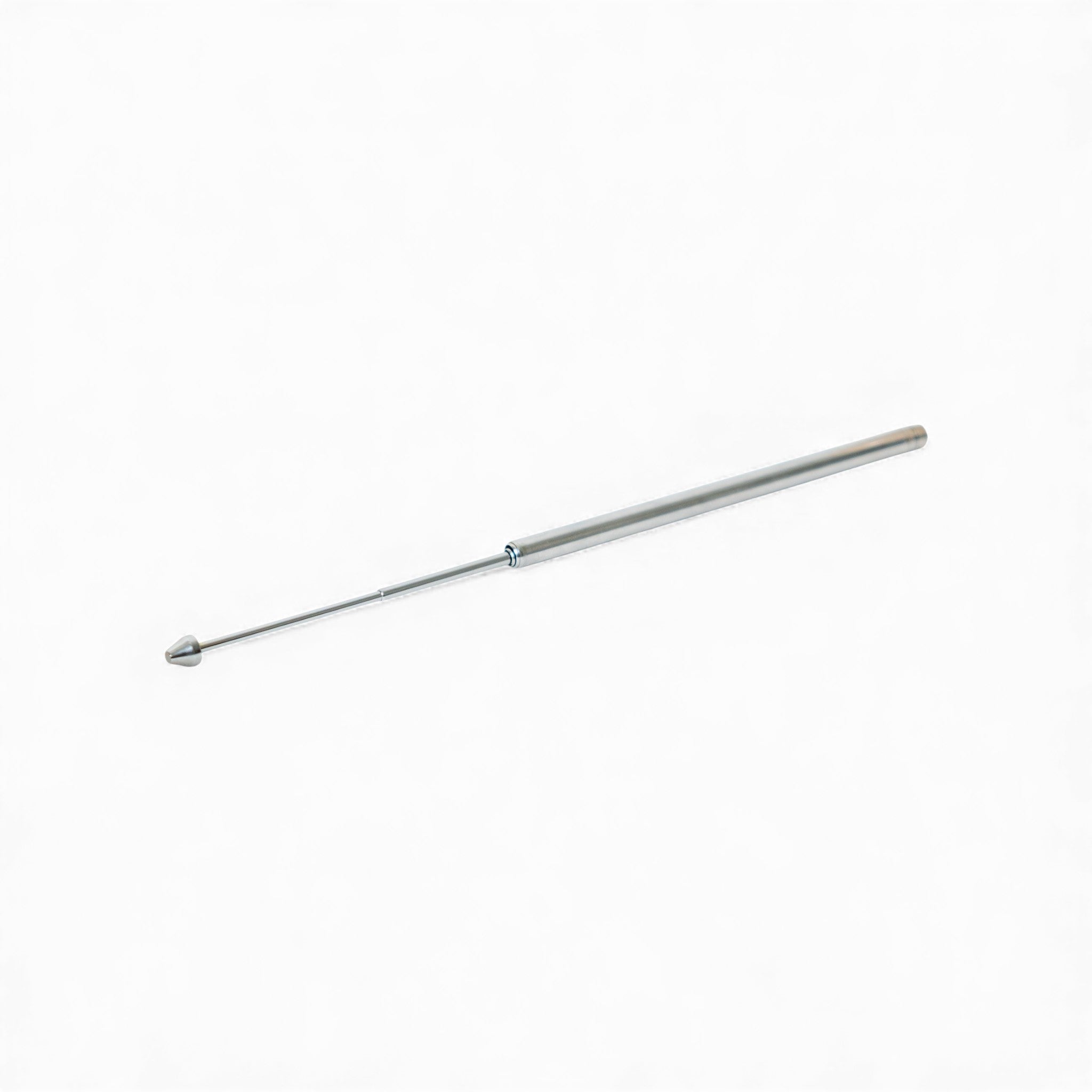
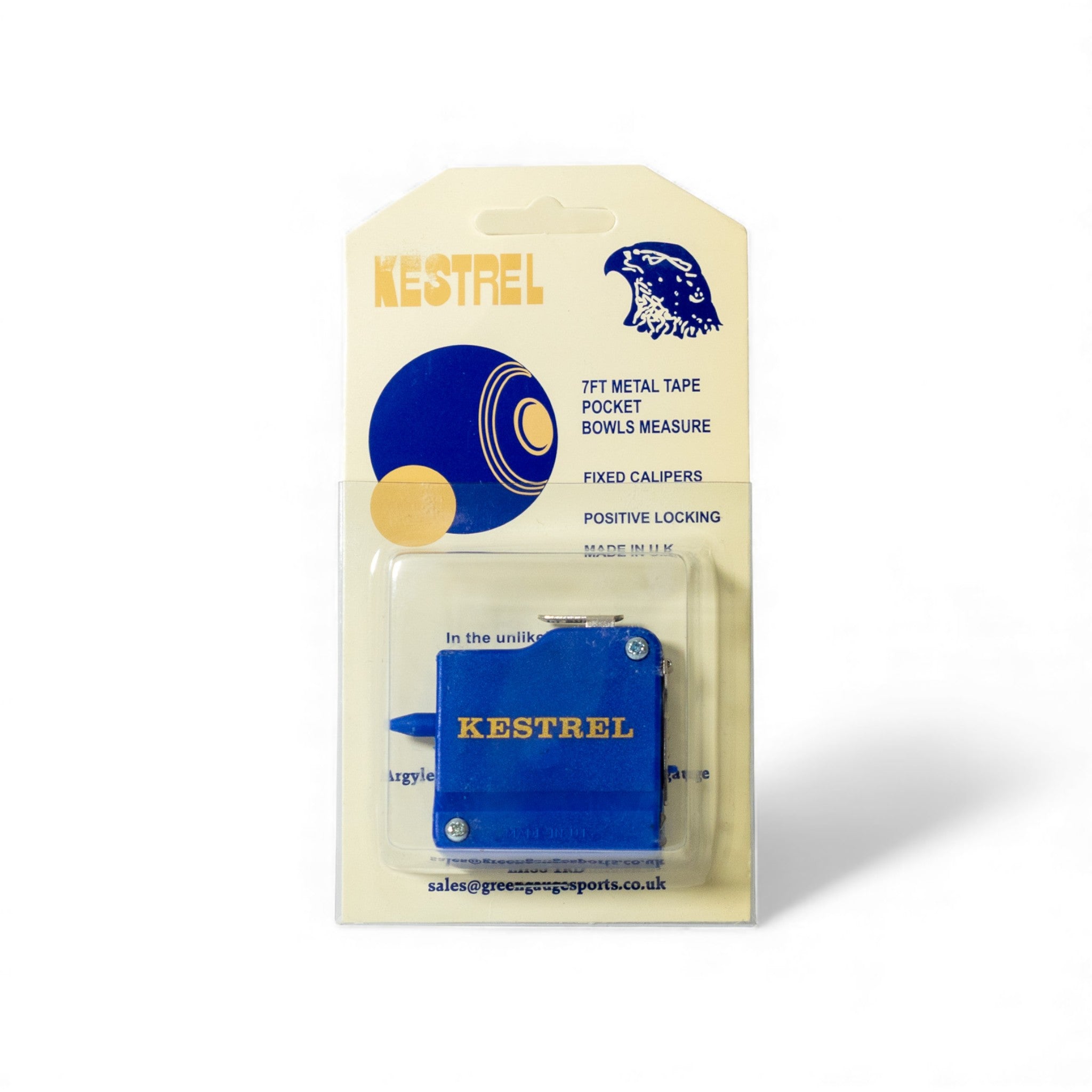
Close calls come down to careful measurement, and the discipline is in the procedure itself. Calipers, a tape measure, or a laser distance tool all work for the standard cases. The critical rule is that the measurement itself cannot displace the balls in question, and both team captains should be positioned to witness the reading as it happens. For a full walkthrough see our Bocce Rules for Measuring.
Some rulings sit outside the reach of measurement and come down to judgment. Was the foot on the line at release or beyond it. Did interference happen while the ball was still moving or once it had come to rest. These calls are where consistency across the match matters most, because players remember whether a referee applies the same standard to both teams across a full weekend of play, and reputations in the officiating community are built on exactly that steadiness.
Running the match and handling disputes
Disputes are inevitable in any competitive match, and the referee's job is to resolve them without letting the match unravel. The workable pattern is to listen to both teams without interruption, review the available evidence including visual account, measurement, and witnesses, and then apply the rulebook to the facts as they present themselves. Coverage of dispute resolution in Federazione Italiana Bocce officiating materials describes this same protocol, and it holds because it treats every dispute as a rulebook question with a rulebook answer.
Communication with players is a technical skill in its own right. Rulings should be announced clearly enough that both teams hear the decision at the same moment, explanations should be available when a player requests one, and the tone throughout should stay level regardless of how the match is going. Coverage of officiating in Britannica's entry on bocce places the referee within the cultural tradition of the game, and the composure the role requires has been part of that tradition for centuries.
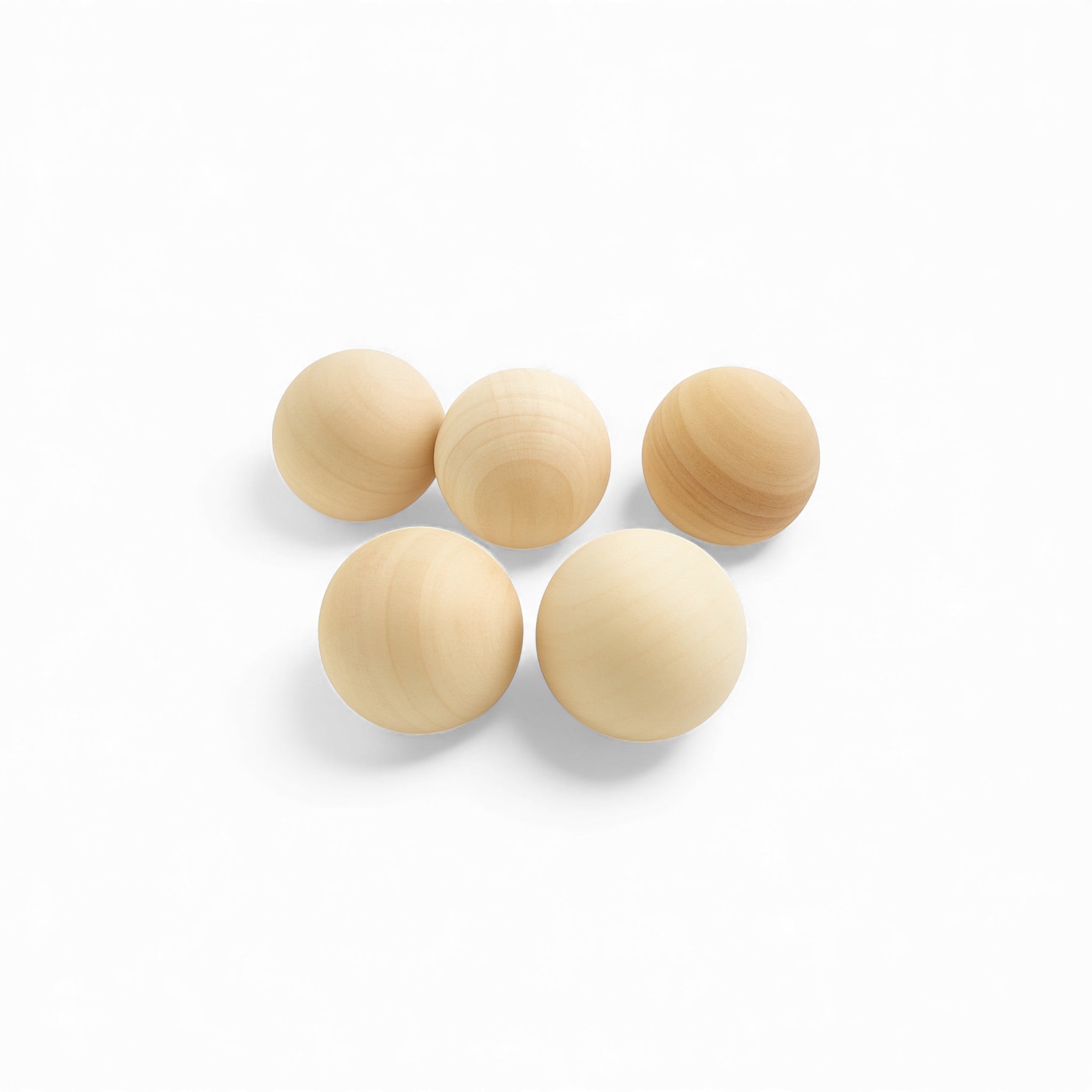
110 mm 8 Bocce Ball Set Bundle

Best for: referee training set for practice sessions on rules application and measurement drills.
Match management is the daily throughput work of the officiating role. Frame results get announced, the score gets tracked, time limits get enforced, and the transitions between frames get moved along briskly enough to keep a tournament on schedule. When a tournament runs behind, the head judge usually looks first at the referees who let individual frames drift, so pace management is a real professional skill that separates officials who get repeat assignments from those who do not.
Composure under pressure is what most experienced officials point to when asked what separates senior referees from newer ones. A high-stakes match with a full gallery of spectators can compress a routine ruling into a moment that feels much heavier than it is, and referees who have worked through those moments recognize the pattern and let the rulebook do the heavy lifting. Applying the book with the same care in every match is the entire craft.
Building the officiating career
USBF certification is the primary credential path for United States tournament work, and it comes in tiers. Local certification opens sanctioned league and regional assignments. Regional certification qualifies an official for larger multi-court events. National certification is required for the top-tier tournaments, and each level requires completed training hours and a formal test. Certification is what signals competency to organizers and gets a new official onto their first paid assignment.
International tournaments require FIB-certified officials, and the training path stretches across multiple years of coursework and supervised assignments. Language proficiency in Italian is genuinely helpful for high-level FIB work because much of the training material and on-court communication at European events happens in Italian first. Officials who complete FIB certification find themselves eligible for a set of assignments that would otherwise stay out of reach.
Casual league officiating is where most referees start, and the credential requirements are lower or often nonexistent. Local leagues frequently run on volunteer or self-officiating models where the players themselves call their own fouls and only escalate to a designated official when a disagreement stalls out. Rules knowledge still matters at this tier because the volunteer who knows the rulebook becomes the person everyone defers to, and that quiet authority is often the entry point into more formal work. Coverage in Wirecutter's broader recreational-sport reporting confirms the flexibility that this casual tier allows.
Sanctioned tournament work is where certification becomes non-negotiable. A USBF-sanctioned event uses a head judge who oversees the full weekend, match officials who run individual courts, and certified measurement specialists who handle contested calls when they arise. The head judge assignment is a substantial responsibility and typically goes to a national-certified official with a track record of clean tournament management.
Championship officiating sits at the top of the practice. National and international finals use senior certified officials in multi-official panels, and video review is standard at the largest events for close calls that fall outside the reach of on-court measurement. The referees who work these matches have usually spent a decade or more moving up through the certification tiers, and they represent the ceiling of the officiating career for most practitioners.
Bocce officiating is largely a volunteer contribution at the local level and a modestly compensated role at higher tiers. A small number of officials build careers that generate meaningful income by combining regular tournament assignments with training and clinic work for newer officials. Continuing education is part of the practice at every level, because rule interpretations update, new officiating techniques circulate, and the officials who keep pace remain in demand across the sanctioned schedule.
Why Buy Referee Bocce from BuyBocceBalls
We carry the Open Rules book and the tournament-tier sets that certified officials train on and use in sanctioned play. Every order ships from our United States warehouse in one to two business days, and our team can advise on official reference materials for anyone preparing for a certification test or a first tournament assignment.
Frequently Asked Questions
How do I become a bocce referee?
Start with local league officiating. Pursue USBF certification for sanctioned tournaments.
What is USBF certification?
The United States Bocce Federation certification for tournament officials. Multiple levels available.
Are bocce officials paid?
Typically volunteer at local level. Modestly compensated at tournament level.
What is the biggest officiating challenge?
Consistent judgment calls across matches, particularly foot fault and close boundary calls.
Do I need to be a good player to be a referee?
No. Rules knowledge and judgment matter more than personal playing ability.