Close calls happen in every bocce match. Two balls appear equally close to the pallino. The naked eye cannot decide. Rules exist for how to measure, what tools to use, and who has final authority. This guide covers bocce rules for measuring close calls in 2026 across USBF Open Rules, FIB regulations, and casual play conventions. For broader rule coverage see our Bocce Rules Explained.
Key Takeaways
- Bocce rules for measuring close calls: calipers, tape measures, or string are standard tools.
- Measurement must be careful not to displace any balls.
- Both teams typically witness the measurement.
- Judges have final authority on measurement decisions.
- House rules apply to casual measurement without formal tools.
Bocce Rules for Requesting a Measurement
Either team may request a measurement when close ball positions are disputed. Judges perform the measurement in tournament play. Both teams observe. Coverage of measurement protocol in United States Bocce Federation tournament rules confirms the request procedure.
Bocce Rules for Measurement Tools
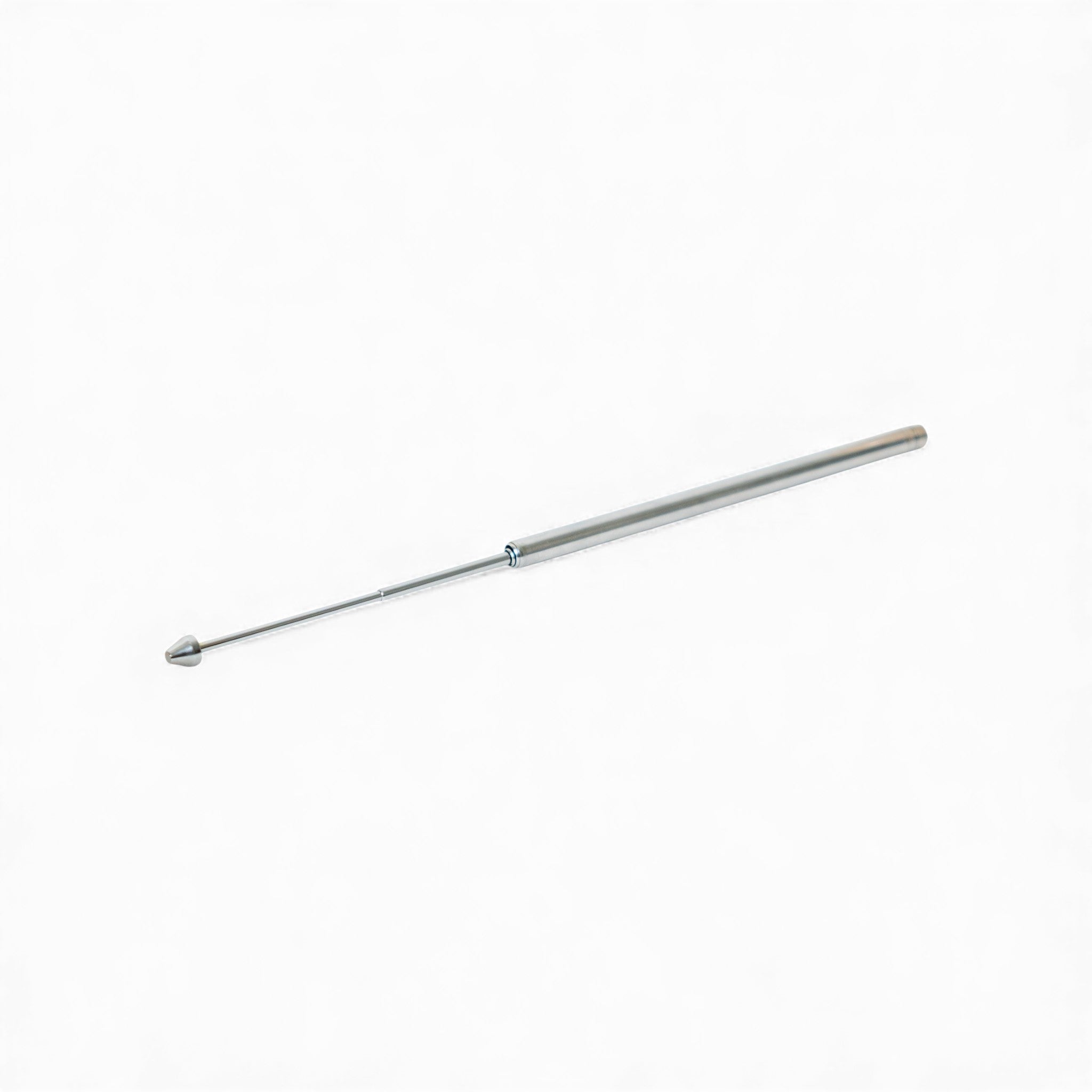
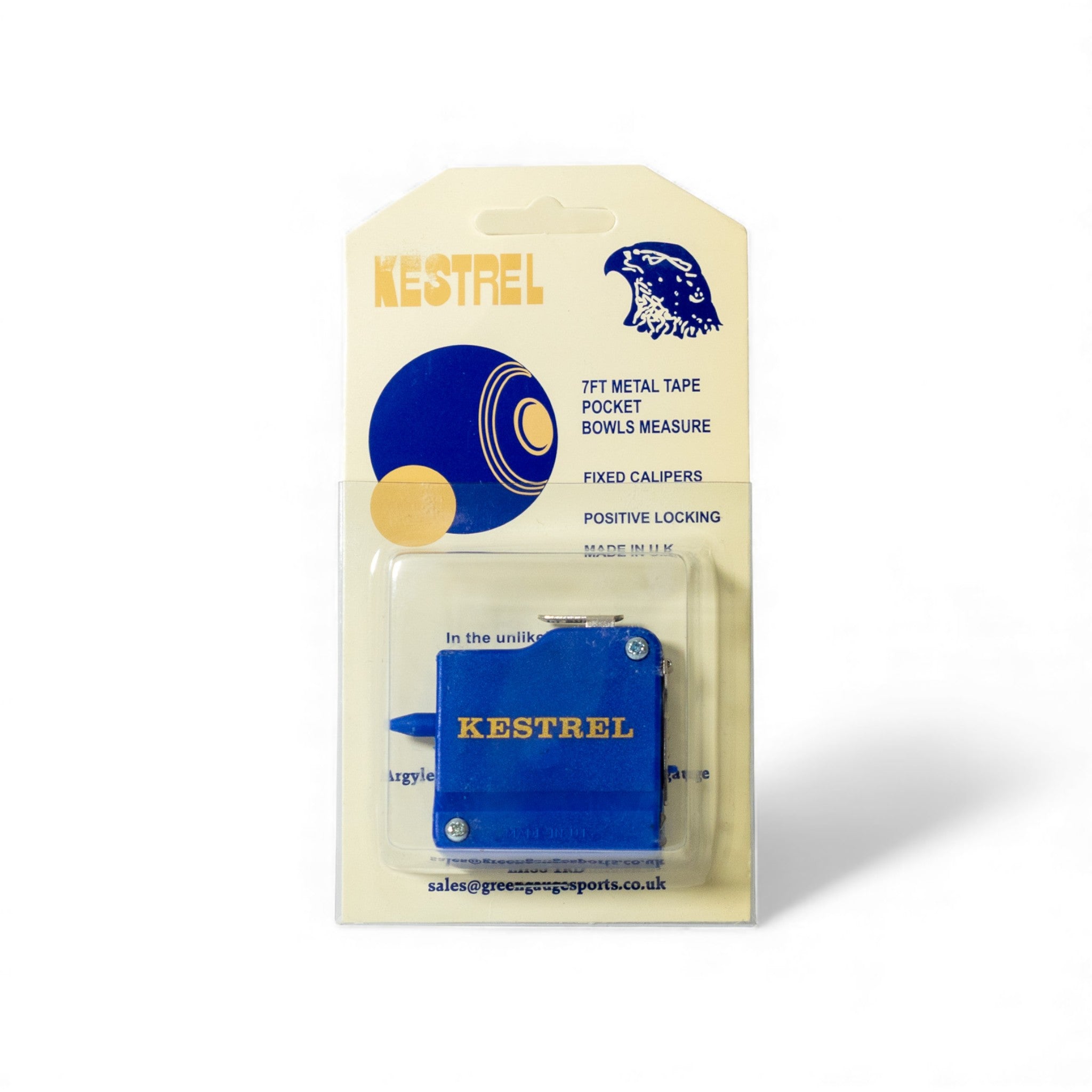
Standard tools: calipers, tape measures, string, or laser measures. Tournament-grade calipers measure to the millimeter. Tape measures work for larger differences. String measures work well for casual play. Coverage of measurement tools in Federazione Italiana Bocce tournament materials matches this list.
Bocce Rules for Caliper Use
Calipers measure the surface-to-surface distance between the pallino and each disputed ball. Both measurements happen from the same reference point on the pallino for accurate comparison. The closer ball wins.
Bocce Rules for Tape Measure Use
Tape measures work for larger distance differences (typically over 3 inches). The judge extends the tape from the pallino to each disputed ball. Both measurements happen from the same reference point.
Bocce Rule Book: Official Open Rules

Best for: the printed USBF Open Rules reference covering all measurement protocols.
Bocce Rules for String Measurement
String measurement wraps a piece of string from the pallino to each ball. The string is compared for length. The shorter string identifies the closer ball. This casual method works well for backyard play.
Bocce Rules for Preventing Ball Displacement During Measurement
Careful measurement matters. If any ball moves during measurement, the measurement is invalidated. Judges must be careful with tool contact. Coverage of measurement discipline in Britannica's entry on bocce places these standards within the game's precision tradition.
Bocce Rules for Measurement Restart
If balls are displaced during measurement, the balls are restored to marked positions (marked before measurement began) and the measurement is restarted. Failed measurements are common; restarts are normal.
Bocce Rules for Tie Measurements
If two balls measure equidistant from the pallino, they tie. In tournament play, a tie usually means neither ball scores for the frame. Both teams throw next frame as a result.
Bocce Rules for Multiple Ball Measurements
When multiple balls are contested, measurements happen in order from closest to furthest. Each ball's distance is recorded. The final scoring order determines frame points.
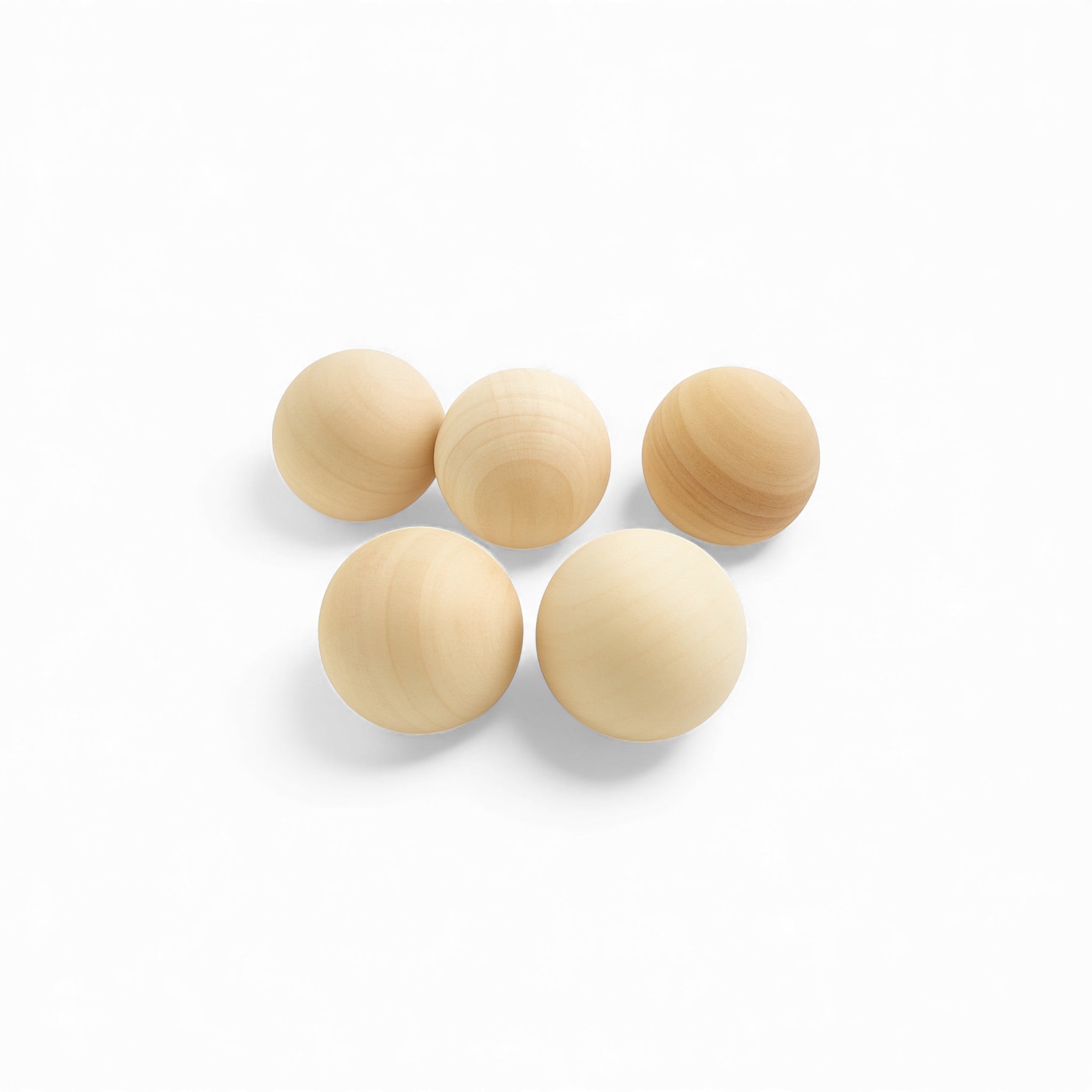
110 mm 8 Bocce Ball Set Bundle

Best for: backyard play where measurements typically use string or tape in casual settings.
Bocce Rules for Measurement Witness Requirements
Both teams typically witness measurements in tournament play. If a team refuses to witness, the measurement stands as recorded by the judge.
Bocce Rules for Measurement Recording
Judges record measurements in tournament matches for later review or dispute resolution. Photos or video may be captured for extra-close calls.
Bocce Rules for Judge Authority on Measurements
Judges have final authority on measurement decisions. Appeals go to the head judge in tournament settings. Coverage of appeal procedures in Wirecutter broader precision sport coverage confirms this hierarchy.
Bocce Rules for Digital Measurement Tools
Some tournaments use laser measure tools for high-precision measurements. Digital calipers measure to sub-millimeter accuracy. Digital tools are gaining acceptance in FIB and USBF sanctioned tournaments.
Bocce Rules for Measurement Ethics
Measurements should be honest and precise. Attempts to manipulate measurements (moving tools, displacing balls) trigger sportsmanship reviews.
Bocce Rules for Backyard Measurement
Backyard bocce uses whatever tools are handy. Fingers, string, a piece of cardboard, or even a spare ball for reference. The rule is that both teams agree on the closer ball. For casual play adaptations see our Bocce Tips for Beginners.
Bocce Rules for Youth Match Measurements
Youth leagues often teach measurement as part of the game. Instructors demonstrate proper technique. The educational moment is valuable for developing precision players.
Bocce Rules for Rejection of Measurements
If a team rejects a measurement, they may appeal to the head judge. The head judge remeasures or upholds the original ruling. For dispute coverage see our Bocce Rules for Dispute Resolution.
Why Buy Measurement-Ready Bocce from BuyBocceBalls
We carry tournament-tier sets and can advise on measurement tools for league play. Every set ships from our US warehouse in one to two business days. For league organizers building measurement kits, our team can help.
Frequently Asked Questions
What tools are used to measure close calls?
Calipers, tape measures, string, or laser measures.
Who performs the measurement?
Judges in tournament play. Players by agreement in casual play.
What happens if a ball moves during measurement?
The measurement is invalidated. Balls restored to marked positions. Restart measurement.
What if two balls tie exactly?
Neither ball scores in most rulesets. The frame result reflects the tie.
Can a measurement be appealed?
Yes to the head judge. The head judge remeasures or upholds.