Bocce disputes happen. Two teams disagree on a measurement, a foul call, or a ball position. In tournament play, judges resolve disputes with formal procedures. In casual play, disagreements typically resolve by conversation or replay. This guide covers bocce rules for dispute resolution and judge calls in 2026 across USBF Open Rules, FIB regulations, and casual conventions. For broader rule coverage see our Bocce Rules Explained.
Key Takeaways
- Bocce rules for dispute resolution: judges have final authority in tournament matches.
- Appeals to head judges are available for major rulings.
- Video review is used at high-stakes matches.
- Casual play typically resolves disputes by replay or agreement.
- Written protests are permitted post-match in some tournament formats.
Bocce Rules for Match Judge Authority
The match judge oversees the match and makes rulings on the spot. Rulings are typically final for the match. Coverage of judge authority in United States Bocce Federation tournament rules confirms this hierarchy.
Bocce Rules for Head Judge Appeals
Major rulings can be appealed to the head judge (tournament director). The head judge remeasures, reviews, or upholds. Coverage of appeal procedures in Federazione Italiana Bocce tournament materials matches USBF standards.
Bocce Rules for Video Review
High-stakes matches often have video review capability. Judges review recorded footage for close calls, foot faults, or disputed contact. Video review adds objectivity but takes time.
Bocce Rules for Written Protests
Some tournament formats permit written protests filed within a specified time after the match (typically 30 minutes). Protests are reviewed by tournament officials. Successful protests can lead to match replay or reversed rulings.
Bocce Rule Book: Official Open Rules

Best for: the printed USBF Open Rules reference covering dispute resolution and judge protocols.
Bocce Rules for Ruling Reversal
A judge's ruling can be reversed by the head judge or by successful protest. Reversals are rare and require clear evidence. Coverage of ruling reversal in Britannica's entry on bocce places these standards within European tournament tradition.
Bocce Rules for Multi-Judge Panels
Some tournaments use multi-judge panels for high-stakes matches. Panel decisions carry more weight than single-judge rulings. Panel formats fit championship finals or televised matches.
Bocce Rules for Sportsmanship Reviews
Repeated dispute triggering or unsporting behavior can lead to sportsmanship reviews. Players deemed unsporting can be warned, suspended for frames, or disqualified from the tournament.
Bocce Rules for Time-Limited Protests
Protests filed after the specified time window are typically rejected. The time limit ensures disputes are resolved promptly rather than after the tournament has moved on.
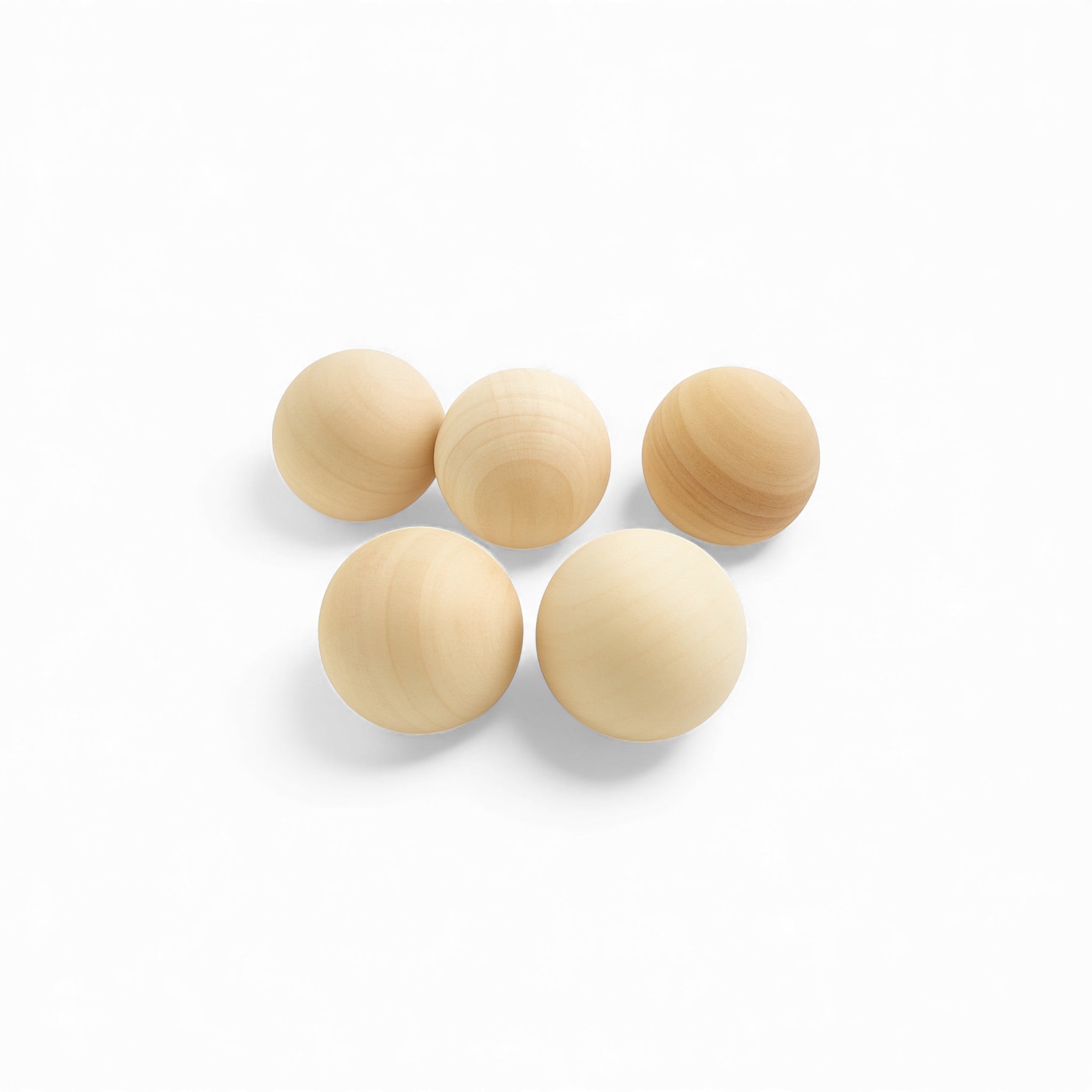
110 mm 8 Bocce Ball Set Bundle

Best for: backyard bocce where disputes resolve casually through replay or mutual agreement.
Bocce Rules for Judge Recusal
A judge with a conflict of interest (relationship with a player, team affiliation) may recuse from the match. A replacement judge is assigned.
Bocce Rules for Casual Play Dispute Resolution
Backyard bocce resolves disputes informally. Common approaches: replay the throw, split the disputed points, agree by mutual consent. The social fabric of casual play matters more than strict rulings. Coverage of casual play etiquette in Wirecutter broader recreation coverage confirms informal resolution as the norm.
Bocce Rules for League Dispute Handling
Local leagues typically have simplified dispute procedures. A designated league coordinator resolves disputes that players cannot settle themselves. Written protests may be permitted at league discretion.
Bocce Rules for International Tournament Disputes
FIB World Championships have formal dispute procedures with multi-language judge panels, video review, and appeal hierarchies. Coverage of international dispute handling matches broader championship sport patterns.
Bocce Rules for Judge Training and Certification
USBF and FIB certify judges through training programs. Certified judges understand rulings, measurement techniques, and dispute procedures. Certification supports consistent tournament rulings.
Bocce Rules for Judge Positioning During Matches
Judges typically position at the throwing end of the court to observe throws and foot faults. Additional judges may be positioned at the receiving end for measurement calls.
Bocce Rules for Post-Dispute Match Continuation
After a dispute is resolved, the match continues from the point of the dispute. Score and ball positions are preserved. Play resumes normally.
Bocce Rules for Youth League Dispute Handling
Youth leagues typically emphasize educational resolution over strict rulings. Coaches often help resolve disputes as teaching moments. The competitive integrity is secondary to the learning experience.
Bocce Rules for Documentation of Rulings
Judges record significant rulings during matches for later review or dispute handling. Consistent documentation supports fair post-match resolution if protests arise.
Why Buy Tournament Bocce from BuyBocceBalls
We carry tournament-tier sets used in USBF and league play where formal dispute rules apply. Every set ships from our US warehouse in one to two business days. For tournament organizers, our team can advise on regulation equipment.
Frequently Asked Questions
Who resolves bocce disputes?
Match judge in tournament play. Head judge on appeal. Players by agreement in casual play.
Can I appeal a judge's ruling?
Yes to the head judge. The head judge remeasures or reviews.
Is video review used in bocce?
At high-stakes matches, yes. Casual and most local tournaments do not use video review.
How do casual games handle disputes?
By replay, split points, or mutual agreement. Casual play prioritizes the social fabric.
Are there written protests?
Yes in some tournament formats. Time-limited (typically 30 minutes post-match).