Coaching bocce is a distinct skill from playing it well. A strong coach reads a student's grip in seconds, pulls the right cue out of a very short vocabulary, and knows exactly when to demonstrate instead of explain. This guide covers what the work actually looks like across every level, from a first-lesson beginner to a sanctioned tournament competitor, and how to build a real practice around it in 2026. For player-level coverage see our Bocce for Absolute Beginners.
Key Takeaways
- Coaching bocce requires teaching skills that are separate from personal playing ability, and elite players do not automatically make good coaches.
- Effective instruction breaks the underhand throw into components: grip, swing, release, follow-through. Coach one component per session until it is stable.
- Foundation before strategy, strategy before advanced technique, advanced technique before tactics. Skipping levels produces frustrated students.
- Youth, adult, senior, and adaptive students each need a different pedagogy. Rotate your approach rather than your content.
- USBF certification, video review, and a small durable equipment set are the three biggest investments in a coaching practice.
Teaching the throw and correcting mistakes
The best coaches teach the throw motion in components, not as a single fluid gesture. Grip, swing, release, and follow-through each get their own attention. This component-based approach is the foundation of the United States Bocce Federation coaching materials, and it works because students can only correct one thing at a time. When a coach tries to fix the grip and the release in the same session, both stay broken for another week.
Verbal cues have to be short and specific. "Palm up" beats "grip it correctly." "Aim past the pallino" beats "try to be accurate." Vague coaching produces vague adjustments, and the difference shows up on the court within a single frame. A coach who can compress instruction into three-word cues will outperform one who lectures for a minute between throws, because students remember cues they can repeat back to themselves in their own head.
Demonstration usually teaches faster than explanation. Show the throw motion, have the student imitate, then adjust individually. Coverage of demonstration-first pedagogy in Federazione Italiana Bocce coaching materials confirms what most experienced coaches learn on the court: the mirror neuron works faster than the ear, especially for beginners under the age of forty.
The common beginner mistakes are predictable, and their fixes are just as predictable. Overthrowing is fixed by aiming closer than the target and letting the ball roll the rest. Inconsistent grip is fixed by a grip-check drill at the start of every session. Stepping past the throw line is fixed by putting a physical marker down. Rushed throws are fixed by a pre-throw pause you count out loud. When students see the same corrections work across a whole beginner group, they trust the process, and trust is what keeps them coming back.
Effective drills isolate one skill, provide immediate feedback, match the student's current level, and scale gradually. A drill that tries to build two skills at once builds neither. Video review accelerates all of it: record a student's throws, watch two or three together, mark the variance point, adjust. It is one of the fastest tools any coach has, and a phone camera does the job. For a drill library organized by skill see our Bocce Practice Drills guide and the beginner progression sequence.
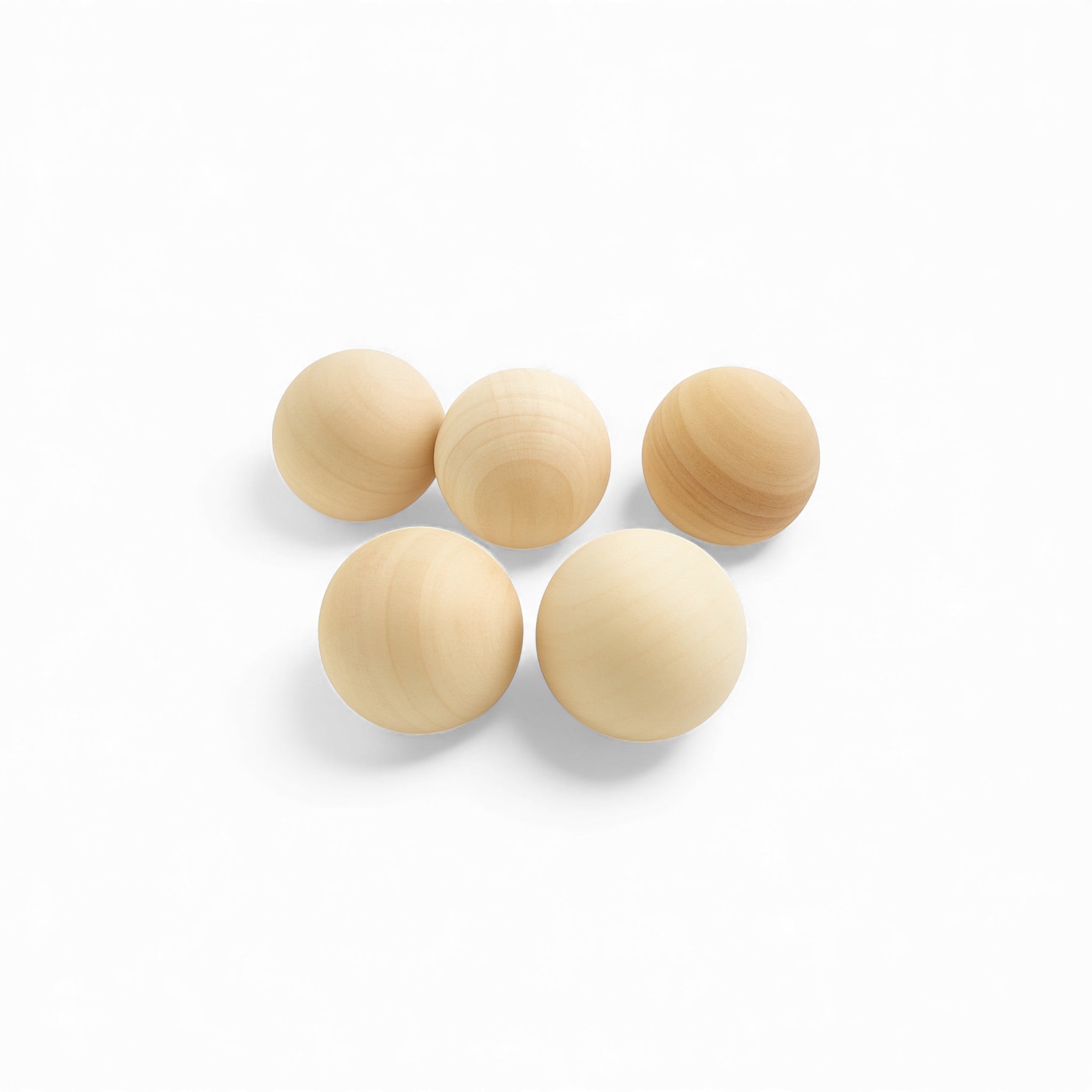
Custom Engraved Bocce Pallino Pack

Best for: coaches who want to reward students at milestones or hand out engraved pallinos as a memorable end-of-program prize.
Working with different students
Youth coaching emphasizes fun over strict technique. Short attention spans mean short drills. Simplified rules mean fewer stops. Reward participation, keep the energy up, and the technical polish will follow later. Coverage of youth teaching in Britannica's entry on bocce places it within a family tradition, and that framing helps parents see the value of early instruction when you pitch a program to a park district.
Adult coaching is where structured progression pays off. Adults typically want to improve quickly and will follow a clear plan if you give them measurable goals. Set a target ("consistently place two of three balls within two feet of the pallino at ten meters"), give them a drill that builds toward it, and check progress at every session. Adults who see numeric improvement will bring you their friends, and word-of-mouth is how most private coaching practices actually grow.
Senior coaching accommodates physical realities. Shorter throw distances, modified stances, and a stronger emphasis on strategy over power all extend how long a player can enjoy the game. This is one of the highest-leverage coaching specialties in the country right now because the participation base skews older every year, and community centers that serve retirees will hire a good senior-focused coach on the spot.
Adaptive coaching for wheelchair players and Special Olympics athletes is a specialty that requires its own training. Certification is available through Special Olympics and adaptive-sports organizations. If you already coach and want to expand into this work, the certification is worth the time, the demand is real, and it opens doors to programs that generalist coaches never see.
Group sessions ask for a different pedagogy than one-on-one work. Divide students by skill level, rotate them through stations, and give individual feedback inside the group structure. Two coaches working three stations of four students each will get more repetitions per student than one coach trying to run a class of twelve. When you scale up, staffing ratio matters more than the total headcount.
110 mm 8 Bocce Ball Set Bundle

Best for: a coaching set that covers doubles scrimmages and eight-station drill rotations without needing a second set to run parallel groups.
Growing into a coaching career
The best coaches think in years, not sessions. A student who starts at complete beginner and reaches league-team level typically takes eighteen to thirty months of steady practice with checkpoints. Multi-year development plans, milestone tracking, and honest adjustments based on progress separate serious coaching from a series of one-off lessons. If a student is not progressing, revisit the plan before you blame the student, because ninety percent of the time the plan needs the fix.
USBF coaching certification is the primary credential in the United States. Local league coaching credentials and adaptive-sports certifications round out the credential set for coaches who specialize. Certification signals competency to potential students, community centers, and league organizations that hire outside coaches. The credential is often what gets you the first paid gig.
Most coaches build a practice through some combination of community centers, park district programs, private lessons, and league team coaching. Rates in 2026 typically run from $20 to $100+ per hour depending on region, specialty, and credential level. A coach with USBF certification and a track record of moving students up a level can charge at the top of that range without pushback, and the ceiling for adaptive and senior specialists is often higher because the demand exceeds the supply of trained instructors.
Coaches who stop learning stop being useful. Attend advanced coaching workshops, watch elite play at sanctioned tournaments, and read the federation training materials as they update. The best coaches in the country are also the most curious ones, and it is not a coincidence. The work rewards the practitioners who treat it as a lifelong craft rather than a side gig.
Why Buy Coaching Bocce from BuyBocceBalls
A coaching set has different requirements than a home set: durability across thousands of throws, consistency between individual balls so a student's technique is what shows in results, and enough balls to run parallel drill stations without stopping to swap. Our 110mm eight-ball bundle is built for exactly this, and the engraved pallino pack lets coaches make milestone moments memorable. Both ship the same day from stock, with the practical support most instructors need when they order for a program launch.
Frequently Asked Questions
What makes a good bocce coach?
Teaching skills, patience, a component-based approach to the throw, and the discipline to work through a progression instead of jumping ahead. Elite playing ability helps but does not substitute for these.
Do I need coaching certification?
Recommended for professional and paid coaching. USBF offers certification and it signals competency to community centers, park districts, and leagues that hire coaches.
How do I start coaching bocce?
Most coaches start through community centers, park district programs, private lessons, or by taking on a league team. Any of these is a workable entry point.
Can I coach without being an elite player?
Yes. Teaching skills matter more than personal playing ability at most coaching levels, especially with beginners and youth.
What is the biggest coaching mistake?
Skipping foundation levels. Effective coaching builds progressively, and rushing to strategy before technique is stable produces students who plateau early and quit.