You have never played bocce, and someone just handed you a ball. This guide walks through your first game from the moment you unpack the set to counting the final score, with no prior athletic experience assumed. By the end of thirty minutes on any flat patch of grass, you will understand the underhand throw, how a frame works, and how to tell who won. For related first-year coverage see our Bocce for Novice Players.
Key Takeaways
- Bocce for absolute beginners starts with just the underhand throw motion, and no other technique is required for a first game.
- A full first game teaches setup, throwing, and scoring inside about thirty minutes, which fits comfortably into an afternoon.
- The pallino is the small target ball, and it sits at the center of every decision throughout each frame.
- The team closest to the pallino at frame end wins the frame and scores one point for every ball they have closer than the closest opponent ball.
- No prior athletic experience is required, and casual house rules cover almost every first-game situation without a rulebook in hand.
Setting up your first game
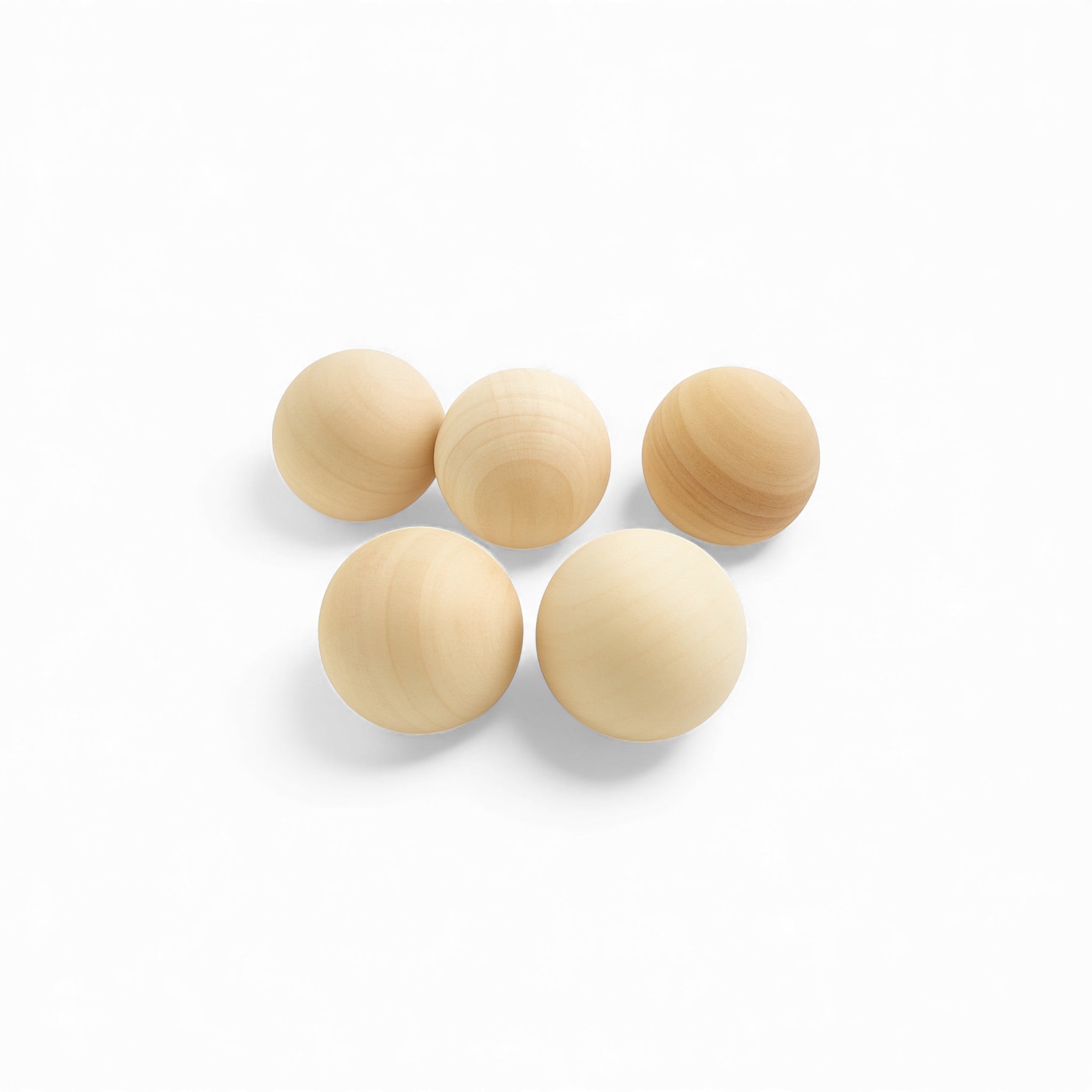
Find a flat outdoor space at least thirty feet long. Backyard grass works. A neighborhood park works. A stretch of packed sand at the beach works. The surface does not need to be perfect for a first game, and most players spend their entire first year on whatever ground they happen to have available. Unpack the set. You will find eight large balls in two colors, one small pallino, and typically a carry bag. Coverage of first-game setup in United States Bocce Federation beginner materials confirms that these basic requirements are enough to start.
Split into two teams and give each team the four balls of one color. Red against green is the most common pairing in North America. Black against white and yellow against blue also show up in imported sets. Any combination works as long as each player can tell their team's balls from the other team's at ten meters. Two-person teams work well for a first game because each player throws twice per frame.
One player throws the pallino first, and its placement matters more than beginners expect. The pallino should land in the middle-far section of the play area, far enough that a frame lasts more than three throws and close enough that everyone can reach it comfortably. That same player then throws their first bocce ball, aiming as close to the pallino as possible. This first ball sets the target for everything that follows in the frame and defines what the opposing team has to beat.
Red Bocce Keychain

Best for: a beginner keepsake for your first bocce game. Small keychain celebrates your entry into the game.
The underhand throw is the only motion a new player has to learn on day one. Palm up. Fingers cradling the ball from underneath with a light touch. A smooth swing at the side of the body carries the ball forward, and the release is a matter of letting go cleanly at the end of the swing. The ball rolls off the fingertips and travels along the ground. Coverage of the underhand throw in the Britannica entry on bocce places this motion within the game's Roman tradition, and the mechanics have barely changed in two thousand years.
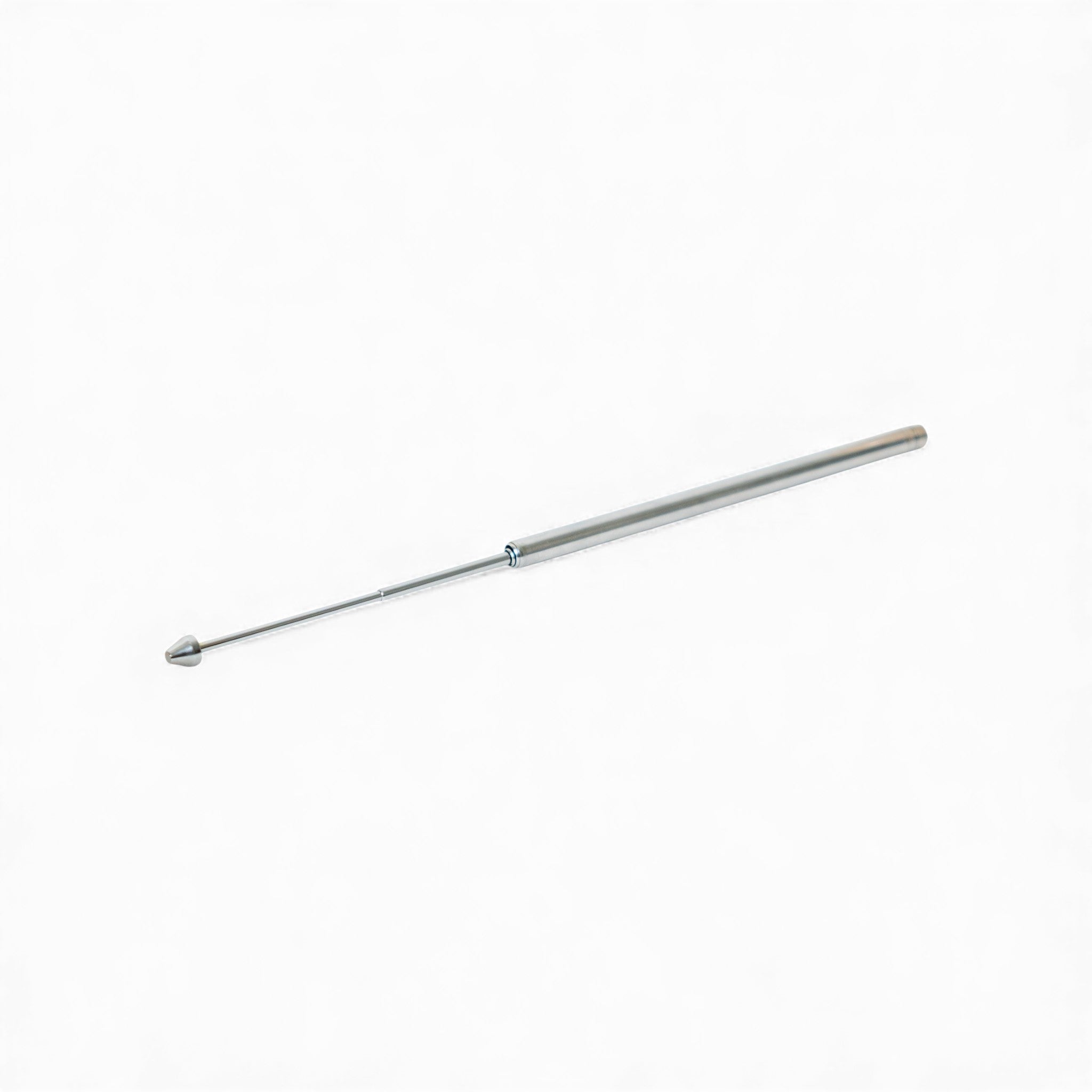
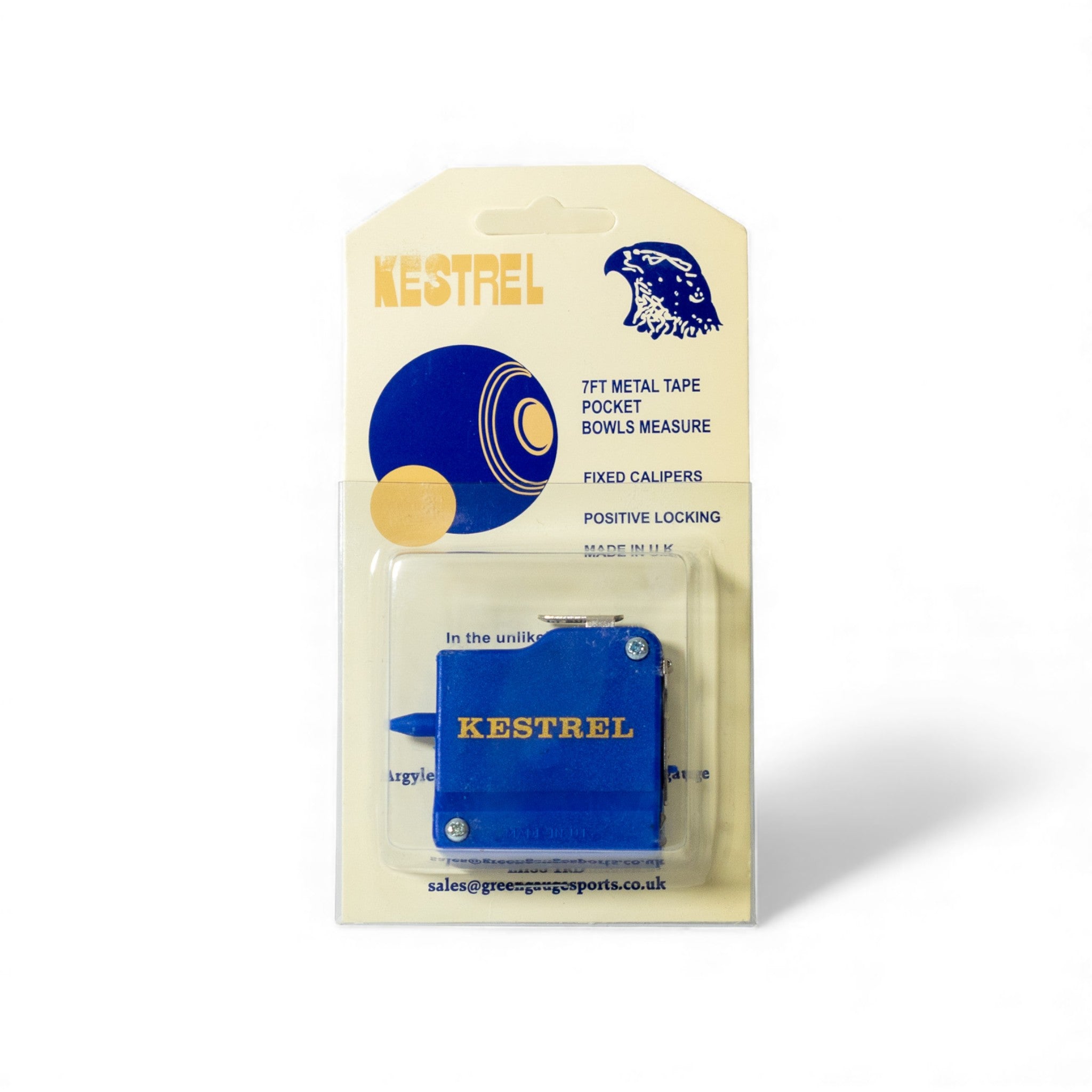
Sanctioned play uses foot faults, throw lines, and four-meter markers to keep tournament conditions consistent. None of those rules belong in a first game. Coverage of casual play in Wirecutter's broader recreation coverage reflects the simplified beginner approach that most groups already use in their backyards: throw from wherever feels comfortable, aim at the pallino, and let the group settle any close call by eye. The measuring tape and the full rulebook can wait for later games once the throw itself feels natural.
Playing the game frame by frame
Once the first team has thrown its opening bocce ball, the opponent team throws next. Their job is straightforward, which is to land a ball closer to the pallino than the current best throw. If they succeed, control passes back to the first team. If they miss, they keep throwing until either they land closer or run out of their four balls. This closer-ball rule is the entire rhythm of a bocce frame and takes about two turns to internalize on the court.
A frame ends when all eight balls have been thrown. The team with the ball closest to the pallino wins the frame, and that team scores one point for every ball they have positioned closer than the closest opponent ball. Only the winning team scores in a frame. A team might win by one point, by three, or by a full four if all their balls sit inside the closest opposing throw. That single-team scoring rule keeps the math simple even when the balls are packed tightly around the pallino.
Games typically run to twelve, fifteen, or twenty-one points depending on the group and the time available. Each frame contributes to a running score, and play continues frame by frame until one team reaches the target. For a first game, playing to seven or ten points is a reasonable target. It lets a new player experience a full arc of the game without wearing out the throwing arm before the mechanics feel natural.
110 mm 8 Bocce Ball Set Bundle

Best for: the beginner-friendly full eight-ball set. Complete kit for your first game with balls, bag, and pallino included.
Beginners bring predictable questions to their first game. How hard should the throw actually be? Somewhere between rolling a marble across a tabletop and lightly tossing a bowling ball down a lane. What happens when a ball collides with another ball on the way in? Both stay where they land, and late throws that knock earlier balls closer to the pallino are a legitimate tactical move that often decides tight frames. What happens when a ball rolls off the end of the play area into a garden bed? House rules apply, and most groups simply remove the errant ball from the frame and move on.
When two balls look equidistant from the pallino, the group makes the call. Tournament play uses calipers or a measuring tape. In a first game, whichever pair of eyes gets closest to ground level usually decides the call. Groups reach agreement faster than beginners expect, and the occasional coin flip is a perfectly acceptable tiebreaker for a very close frame. Nothing about counting a first frame requires certified equipment or a formal ruling.
After your first game
After the last frame, take a few minutes to notice what actually worked in your throws. Which balls landed close to the pallino, and what did the swing feel like on those attempts? Which balls went too far, and what changed in the release when they did? Coverage of learning reflection in Federazione Italiana Bocce beginner materials treats this post-session review as a core practice for developing players. Even ninety seconds of honest reflection accelerates the next game more than an hour of untargeted throwing.
The throw motion becomes largely automatic somewhere between the fifth and tenth game. Most beginners feel the shift in the middle of their fifth game, when the swing simply flows as one continuous movement. Once the throw feels natural, strategy layers in without much extra effort: reading which ball to displace, choosing between a roll and a lob, and knowing when to leave the pallino alone. For next steps see our Bocce for Novice Players guide.
If your first game left you wanting to play again, and you can imagine playing another five games during the same season, buying a starter set makes financial sense. A 110 mm bundle for casual backyard play sits under two hundred seventy-five dollars and delivers adequate quality for the first year or two of play. For a buyer's walkthrough of entry-level options see our Best Bocce Sets for Beginners guide.
Bocce plays comfortably across generations, which is one of the reasons it survives in family backyards across so many countries. Children as young as five can play with a lighter 73 mm metal petanque set that is easier to grip and safer if dropped on a foot. Older players benefit from shorter throw distances and a gentle underhand motion that puts no strain on the shoulder or the elbow. A single first game can include grandparents, parents, and grandchildren, and each of them can throw at the level they enjoy.
Bocce is a social game by design. Conversation flows naturally between throws because a frame moves slowly enough for a real exchange, and drinks or snacks pass between frames without disrupting play. A first game should feel low-stakes, and the final score is secondary to the shared time outdoors with the people playing. For historical context see our History of Bocce, because the modern game has been played in almost this exact form for two thousand years.
Why Buy Beginner Bocce from BuyBocceBalls
We carry the beginner-friendly bundles at accessible prices, and every set ships from our US warehouse within one to two business days. For first-time bocce buyers, our team can advise on the right entry-level configuration for a backyard, a park, or a family gathering, and we stock the smaller keepsakes that make a good end-of-first-game reward.
Frequently Asked Questions
Do I need any prior experience to play bocce?
No. Bocce is designed to be learnable in your first game.
How long does a first bocce game take?
30 to 45 minutes for a game to 7 points. Longer for higher point targets.
What if I miss the pallino badly?
Normal for a first game. Adjust the next throw based on what you learned.
Can kids play with adults on their first game?
Yes with age-appropriate balls. 73 mm petanque works for kids 5+.
Should I buy a set after my first game?
Only if you enjoyed the game and imagine playing 5+ more times.