You have played bocce a few times. The rules make sense. The throw motion sort of works. Now what? This guide is the 30-day foundation-building roadmap for novice bocce players in 2026, covering throw motion refinement, basic strategy introduction, court reading fundamentals, and early match play tips. For your first-game refresher see our Bocce for Absolute Beginners.
Key Takeaways
- Bocce for novice players focuses on foundation refinement across the first thirty days of steady practice.
- Week 1 refines the underhand throw motion through short, consistent sessions without any scoring pressure.
- Week 2 layers in basic scoring awareness and the first strategic instincts around the pallino.
- Week 3 adds court reading, the mental habit that anchors competitive play for the rest of a bocce career.
- Week 4 combines throw, strategy, and reading in real match play and sets the readiness point for the intermediate phase.
Refining the throw across the first four weeks
Week 1 is entirely about the underhand throw motion. Twenty to forty throws per session, three to five sessions across the week, and no scoring at all. The point is to make the release consistent, the follow-through complete, and the stance repeatable before any competitive layer complicates the picture. Coverage of a first-week technical focus in United States Bocce Federation beginner materials confirms that throw motion belongs at the top of the priority list for a novice.
Week 2 introduces the first layer of scoring awareness. Play frames end to end and count points. Notice which throws contribute to the score and which ones sail past. This is where the first real strategic thought lands for most novices, and it is a small one: aim to stop near the pallino and let the ball come to rest there. That instinct alone changes the outcome of a surprising number of frames across the second week.
Week 3 is when court reading enters the practice. Pause for five seconds before every throw, look at where the balls sit, look at the surface itself, and note the wind or slope that will act on the ball. Reading is the mental habit that carries a player from casual bocce into competitive bocce, and it is the least-taught piece of the whole foundation. For a deeper reading framework see our Bocce Tips for Reading the Court.
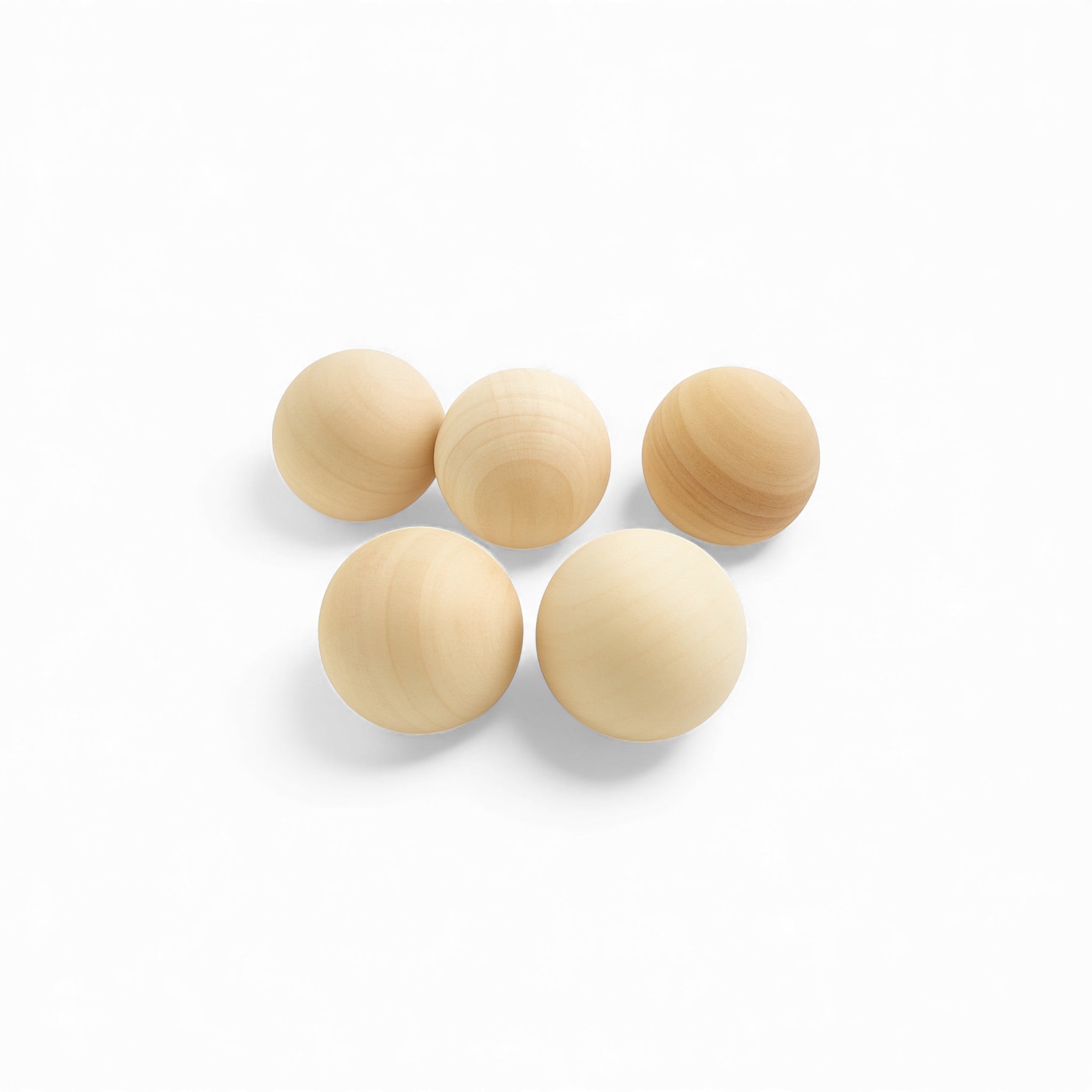
Pallino Replacement Pack Red

Best for: novice players who have started to notice a worn or lost pallino from their beginner set. Foundational replacement.
Week 4 puts everything together in match play. Full games from opening throw to final point, with the score tracked and the frames reviewed at the end. This is where the foundation solidifies, and it is also where most novices realize how far the throw motion has actually come since the first week of practice. A short weekly review, five minutes at the end of the last session, is enough to make that progress visible and to set the focus areas for the intermediate phase that follows.
Structuring practice sessions and correcting common mistakes
A foundation practice does not require long sessions. Fifteen to thirty minutes at a time, three to five times a week, is enough to build durable habits across the first month. That works out to roughly sixty to a hundred and twenty minutes of practice each week, and it produces better results than an occasional two-hour session because the motion is repeated on shorter cycles. Coverage of a similar cadence in Federazione Italiana Bocce beginner materials confirms this pattern for novices.
Inside each session, focus on one small aspect of the throw. Grip on one day, follow-through the next, foot placement the day after. Small isolated improvements compound quickly, and that compounding is what makes a thirty-day foundation feel meaningful by the end of the month. Coverage of this method in Britannica's entry on bocce places it within the game's long teaching tradition, and it holds up across cultures and eras of the sport.
The common novice mistakes have predictable fixes. Overthrowing is corrected by aiming closer to the target and letting the ball roll the rest of the distance. Underthrowing is corrected by adding a small amount of force at release. Inconsistent grip is corrected by a grip-check drill at the start of every session. Rushed throws are corrected by a deliberate pre-throw pause counted out silently in your head. Each mistake has a specific correction, and each correction usually takes only a session or two to install once it has been named.
Novice players often notice mild shoulder or arm fatigue in the first two weeks of practice. That is normal, and it decreases as the motion becomes automatic and the small stabilizers around the shoulder adapt to the repetition. If the fatigue turns into pain or persists past three weeks, the sensible move is to consult a therapist and take a short break from throwing until things settle.
Beginner-tier sets, whether a 110mm bocce set or a 73mm petanque set, are adequate through the entire foundation phase. Upgrading to tournament-grade equipment makes sense after roughly thirty hours of focused practice, when the difference in ball quality actually shows up in throw outcomes. Coverage of upgrade timing in Wirecutter's broader sports coverage confirms the same progression across other precision sports.
110 mm 8 Bocce Ball Set Bundle

Best for: the novice-friendly full eight-ball set for foundation practice and casual match play.
Moving from solo practice into matches and social play
After two weeks of solo work, the next step is doubles play with a partner. Doubles introduces team communication, throw order, and shared strategy, all of which change how a novice thinks about the game. It also makes practice more social, which sustains motivation across the second half of the month when the initial novelty of the sport has started to fade. For a doubles-specific breakdown see our Bocce Tips for Doubles.
Competitive matches against other players belong somewhere in week three or four. Playing them any earlier tends to feel overwhelming and can push a novice back toward tentative throwing. The middle of the second half of the month is the right window to test the foundation against a real opponent, and by that point the throw motion is usually stable enough to hold up under a little social pressure.
Tracking progress makes a real difference in the foundation phase. A simple log with session date, focus area, and a line or two of notes is enough. Review it weekly, ideally on the same day and around the same time. Progress becomes visible when it is written down, and motivation compounds when a novice can see the last month of improvement laid out in one place. Coaches use this same approach with beginners for exactly this reason.
Books, videos, and articles supplement the on-court work. The USBF Open Rules book explains regulation play in enough detail to settle any dispute in a friendly match. Online bocce videos demonstrate the technical points that are hard to describe in writing, especially the release moment of the throw. These resources round out the foundation, and the practice sessions themselves remain the primary learning path across the first thirty days.
After three to six months of foundation building, joining a casual bocce league is a natural next step. League play accelerates development through regular competition and puts a novice around more experienced players, which is often the fastest route to the next skill level. Backyard nights with friends serve a related purpose earlier on, keeping bocce social so a novice keeps showing up week after week during the foundation phase.
By the end of thirty days of foundation work, a novice can reasonably expect a comfortable throw motion, a basic scoring understanding, an initial court reading habit, and three to five completed matches under their belt. That is the readiness point for the intermediate growth phase, and it is enough of a foundation to build on for years of enjoyable play.
Why Buy Novice Bocce from BuyBocceBalls
We carry the novice-friendly bundles at accessible prices, and every set ships from our US warehouse within one to two business days. For novice players ready to invest in their own equipment, our team can advise on the right level for the current phase and the sensible upgrade path once the thirty-day foundation is in place.
Most foundation-phase buyers are best served by a 110mm eight-ball bundle plus a replacement pallino kept in reserve. That combination covers solo drills, doubles practice, and the first casual matches without a second purchase, and it holds up through the intermediate phase for players who move on to competitive league play in the months that follow.
Frequently Asked Questions
How long is the novice phase?
30 days of structured practice or 3 to 6 months of casual play.
How many practice sessions per week?
3 to 5 sessions of 15-30 minutes each.
Should I play matches during the novice phase?
Yes starting in week 3 or 4.
When do I move beyond novice?
After 30 hours of focused practice, typically 3 to 6 months.
Do novice players need tournament-grade sets?
No. Beginner-tier bundles adequate through novice phase.