Doubles bocce is the most-played tournament format. Two players per team, four balls per team, one pallino. The dynamics differ meaningfully from singles. Communication matters. Throw order matters. Understanding your partner's strengths matters. This guide covers bocce tips for doubles in 2026 across team communication, throw order, and coordinated strategy. For broader format coverage see our Bocce Tournament Formats.
Key Takeaways
- Bocce tips for doubles: talk before every throw about intent and target.
- Assign lead thrower and closer roles based on strengths.
- Throw order matters more in doubles than singles.
- Partners should be positioned to see the court from both ends.
- Trust your partner's read; second-guessing costs frames.
Bocce Tips for Team Communication Basics
Before each throw, discuss: what is the situation, what is the goal, what is the throw plan. Even five-second conversations prevent conflicting strategy. Coverage of team communication in United States Bocce Federation doubles rules confirms verbal coordination as a competitive advantage.
Bocce Tips for Assigning Roles
Most doubles teams work best with a lead thrower and a closer. The lead thrower establishes position. The closer handles pressure throws with the frame on the line. Assign roles based on temperament and skill. Coverage of role assignment in Federazione Italiana Bocce doubles tradition matches this pattern.
Bocce Tips for Throw Order
Standard doubles order: your team throws first ball, opponent throws, alternate. Within your team, decide who throws first based on the shot type. The precise pointer throws first. The strong hitter throws last if the closing frame requires a hit.
Bocce Tips for Positioning
One partner stands at each end of the court. The throwing partner reads position from the throwing end. The waiting partner reads position from the receiving end. Two-end perspective catches details neither partner sees alone.
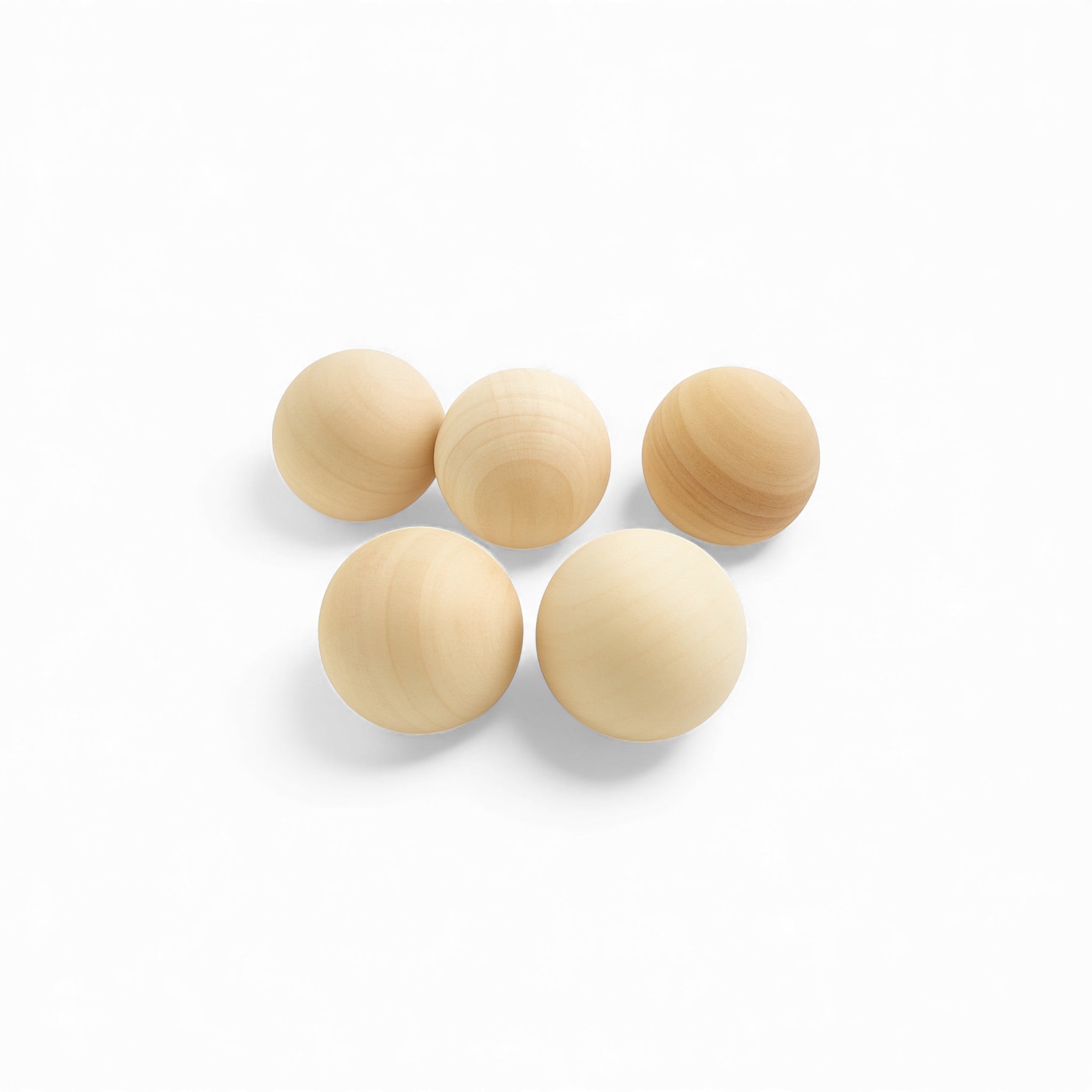
EPCO 107 mm Rustic Yellow and Blue Set

Best for: tournament doubles sets with clear color separation between team ball colors and opponent colors.
Bocce Tips for Reading Together
When your partner is throwing, watch and read. Notice the release, the speed, the roll. Silent observation builds a shared model of what is working. Coverage of coordinated observation in Britannica's entry on bocce traces the doubles tradition through Italian competitive culture.
Bocce Tips for Handling Disagreement
Sometimes partners disagree about the right shot. Have a rule: after 15 seconds of discussion, the person throwing decides. Long debates on the court waste focus. Trust the thrower's read.
Bocce Tips for Signal Systems
Some teams use hand signals to communicate across a noisy court. Simple signals (point at pallino for point, closed fist for hit, hand up for wait) reduce miscommunication. Signals matter more at longer distances.
Bocce Tips for Situation Recognition
Different situations call for different strategies: leading the frame (defensive play), behind in the frame (aggressive point or hit), even (positional throw). Recognize the situation before choosing the shot. For situational strategy see our Bocce Strategy for Beginners.
Bocce Tips for Frame Closing
The last throw of a frame is the highest pressure. The closer role handles this throw. If your team is closing and the frame is winnable, throw with intent to lock the frame. If not winnable, throw defensively to prevent additional opponent points.
110 mm 8 Bocce Ball Set Bundle

Best for: the 8-ball bundle covers four balls per team in doubles play. Ideal for casual and league doubles.
Bocce Tips for Pallino Placement in Doubles
Discuss pallino placement with your partner before throwing. Short pallino favors point players. Long pallino favors strong throwers. Play to your team's strength. Coverage of pallino strategy in Wirecutter broader team sport coverage confirms strategic setup as valuable.
Bocce Tips for Managing Momentum
Bocce has momentum. Winning consecutive frames builds confidence. Losing consecutive frames erodes it. When behind, break the pattern (change throwing order, change strategy, take a 30-second break between frames).
Bocce Tips for Practice Together
Doubles teams improve fastest with dedicated partner practice. Practice communication routines. Practice signal systems. Practice frame transitions. Playing together builds the fluency singles play cannot. For drill programs see our Bocce Practice Drills.
Bocce Tips for Between-Frame Habits
Talk between frames. Review what worked. Adjust strategy. Between-frame communication builds team fluency across the match.
Bocce Tips for Tournament Doubles
Tournament doubles typically runs single-elimination brackets. Prepare for pressure. Warm up together. Establish rhythm early. For tournament coverage see our Bocce Tournament Formats.
Why Buy Doubles Bocce from BuyBocceBalls
We carry the 8-ball tournament sets that fit doubles play with proper color separation. Every set ships from our US warehouse in one to two business days. For doubles teams building toward tournament play, our team can advise on the right EPCO configuration.
Frequently Asked Questions
How many balls per team in doubles?
Four. Each player throws two balls per frame.
Should partners throw the same style?
No. Complementary styles work better. One pointer, one hitter is the classic pairing.
Who throws first in doubles?
Team assignment. The precise pointer throws first to establish position.
How much should partners talk?
Short conversation before every throw. Long debates waste focus.
Do doubles teams need signals?
Simple hand signals help at longer court distances or noisy venues.