Intermediate players show up to weekly matches with a working throw motion and a rough sense of where the pallino sits on their release, and yet plateaus tend to appear almost immediately after the first year of consistent play. The growth phase covers years one through three of regular bocce, and the pace of improvement in this window has more to do with structure than with raw talent. This guide walks through what a serious intermediate practice looks like in 2026, including technique refinement, strategic layer building, competitive introduction, and equipment progression. For the phase that comes before this see our Bocce for Novice Players.
Key Takeaways
- Bocce for intermediate players spans years 1 to 3 of regular play.
- Year 1: refine throw motion and add strategic layers.
- Year 2: introduce competitive elements and consistency.
- Year 3: develop advanced techniques and specialized skills.
- Equipment upgrade to tournament-tier makes sense in year 1 or 2.
Year one and the shift from fundamentals to fluency
Year one of intermediate play is where the throw motion moves from something a player has to think through into something the body knows. Weekly sessions are the minimum cadence for that transition to happen. Coverage of year one development in United States Bocce Federation intermediate materials confirms the same progression that most club coaches recommend: refine the release, tighten distance control, and start reading the opponent's tendencies while the frame is still in play. Players who layer competitive pressure on top of an unstable throw tend to reinforce whatever inconsistencies they already carry.
Refinement in this window is best done one component at a time. Month one might belong to the grip. Month two to the release point. Month three to the follow-through. This monthly focus compounds because a player who fixes four components across a year moves further than one who tries to fix everything every session and lands none of it. Video is the accelerator, and a phone camera on the sideline is usually enough to see the variance point in a series of throws.
Practice cadence sits at three to five sessions per week, forty-five to sixty minutes each, for a weekly total between three and five hours. Coverage of practice cadence in Federazione Italiana Bocce intermediate materials describes the same range for players in the growth phase, and the number holds up across most club programs that publish practice guidance. Volume much lower than this slows the plateau curve, and volume much higher tends to produce overuse in the throwing shoulder without a proportional gain in accuracy.
Mental resilience is the quiet skill of the intermediate year. Missed throws stop feeling catastrophic. Focus holds across long matches. A pre-throw routine settles the body before the swing. Broader precision-sport coverage in Wirecutter reporting notes that top players in adjacent disciplines treat pre-shot routine as its own trainable skill, and bocce follows the same pattern.
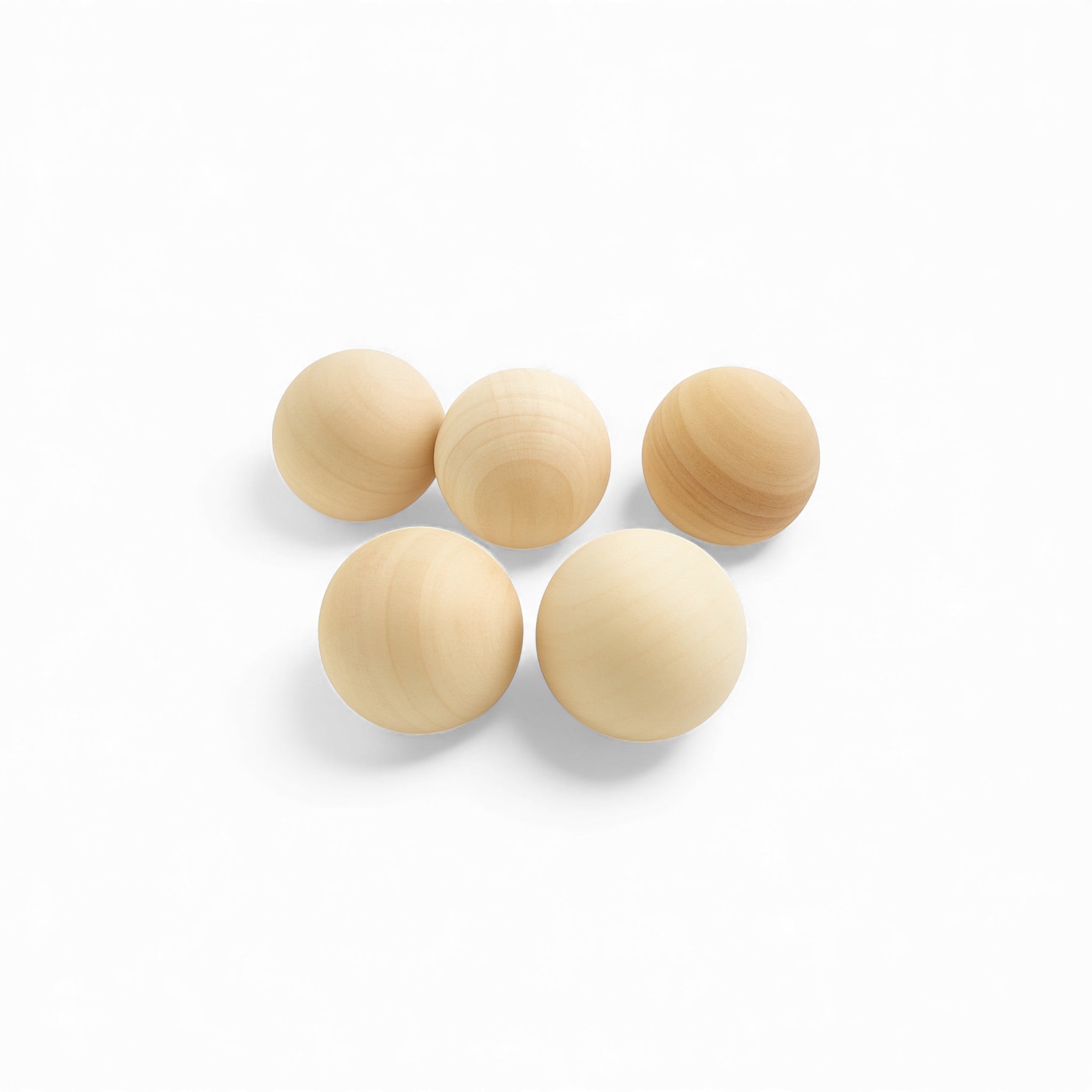
Equipment starts to matter more in year one than most new intermediates expect. A ball set that was fine for backyard evenings begins to hide the same inconsistencies a player is trying to see and correct. Upgrading from beginner bundles to tournament-tier EPCO 107 mm sets in year one or year two rewards the improving technique and makes practice sessions produce cleaner feedback. Cost per year of play favors the upgrade for anyone playing regularly. For a walk through the tournament tier see our Best Bocce Sets for Tournament League Play.
White Bocce Ball Bag with Black Handles

Best for: intermediate players upgrading from beginner-tier bags. Clean neutral aesthetic that pairs with any ball colorway.
Strategy, competition, and reading the frame
Strategic layers get added gradually across year one and year two, and the order matters more than the pace. Layer one is the point-versus-hit decision, which the intermediate player learns to run from the moment they step to the throw line. Layer two is blocker placement, where a ball is thrown for position rather than proximity. Layer three is reading opponent tendencies, which is what turns a frame into a solvable problem for the player who runs the read. Each layer sits on the one below it, and skipping ahead tends to produce chaotic frames rather than confident ones.
Year two is the natural window for a first competitive league. Casual leagues are enough to start. Charity tournaments on weekends work equally well. Coverage of competitive introduction in Britannica's entry on bocce places competitive progression within the long European tournament tradition, and stepping into a scheduled league even for a single season pulls a player into the tempo of match play in a way that pickup games rarely do. Under-pressure fluency comes from repetition, and league nights create that repetition on a fixed calendar.
Reading opponent patterns is the next skill that separates year one players from year two players. Which shots does the other side prefer when they have distance. Which do they avoid on a close frame. Which side of the court do they miss toward under pressure. These observations become adjustments inside the same match, and adjustments made mid-match are the difference between a comfortable win and a coin-flip result.
Doubles chemistry is worth committing to somewhere in year two or year three. Playing with a regular partner across hundreds of hours produces a shared read of the court, an understood shot-selection rhythm, and a set of signals that reduce cross-talk between throws. Chemistry compounds over time. A doubles team that has been together for two years will beat a stronger new pairing more often than the ratings on paper would predict.
Common plateaus show up on a predictable timeline. The month-six plateau is a stuck motion, and video review usually breaks it. The month-eighteen plateau is a strategy that feels shallow, and opponent variety is the fix. The month-thirty plateau is pressure that begins to feel like too much, and structured pressure practice restores the ceiling. Plateaus are normal, and treating them as diagnostic data keeps players in the game long enough to work past them.
Year three technique and the road to advanced play
Year three is where advanced techniques enter the repertoire. Hit shots and raffa become part of the normal shot menu instead of occasional experiments. Bank shots on walled courts get worked into practice sessions with intention. Volo aerial throws, which most novices never attempt at all, become a viable option in the right conditions. Multi-level strategy replaces the linear thinking of earlier years, and the frame stops feeling like a set of separate throws and starts feeling like one continuous problem to solve.
Practice at this stage carries more variety than it did in year one. A session might spend fifteen minutes on grip and release, twenty minutes on point-versus-hit decision drills against a partner who calls the situation, twenty minutes on live frames, and a closing block on video review. The value is in the deliberate mix of technique work, decision work, and situational repetition inside a single practice window.
A full eight-ball set for backyard practice pays off in year three because most of the drills that matter now involve running complete frames rather than repeating a single throw in isolation. Practicing with eight balls means practicing at the same volume a real match runs, and the transfer from practice to competition is cleaner as a result.
110 mm 8 Bocce Ball Set Bundle

Best for: intermediate backyard practice with a full 8-ball set that scales toward tournament-tier progression.
Advancement signals appear over the last stretch of year three and into what comes after. Winning most casual matches. Feeling comfortable at league nights. Actively seeking tournament competition instead of avoiding it. Being asked to coach newer players and finding that the coaching feels natural. When more than one of these signals shows up together, the intermediate phase is essentially complete, and the transition to advanced play is already underway.
Long-term perspective belongs in the plan from the beginning. Some intermediate players stay at this level for decades and get a lifetime of enjoyment out of the game there. Others push into tournament competition and reorganize their practice around ranked play. Both paths are legitimate, and the growth phase itself has value regardless of which direction a player takes at the end of it. The three-year arc gives structure that casual play cannot, and the discipline of that structure is often what carries a player past the point where casual play would have leveled off.
Why Buy Intermediate Bocce from BuyBocceBalls
We carry the tournament-tier EPCO sets suited for the intermediate growth phase, along with the bags and accessories that keep a growing practice organized and consistent from session to session. Every order ships from our US warehouse in one to two business days.
For intermediate players ready to upgrade, our team can help you choose the right tournament tier based on the courts you play on and the leagues you plan to join. The right set at year one will still be the right set at year five, and buying once for the long run is usually the cleaner call.
Frequently Asked Questions
How long is the intermediate phase?
Years 1 to 3 of regular play.
When should I upgrade to a tournament set?
Year 1 or year 2 of regular play.
Should I join a league during intermediate phase?
Year 2 is the natural entry point.
How much should I practice as intermediate?
3 to 5 sessions per week, 45 to 60 minutes each.
How do I know I have advanced beyond intermediate?
Winning most casual matches, comfortable in league play, seeking tournament competition.