Advanced bocce players have moved past intermediate rhythm. They enter sanctioned tournaments, log measurable practice hours, and plan the game in seasons. This guide covers what competitive skill building actually looks like in 2026 across technique refinement, tournament preparation, and multi-year development. For the previous stage of the arc see our Bocce for Intermediate Players guide.
Key Takeaways
- Advanced players practice five to ten hours weekly across five to seven sessions with structured intent.
- Elite technique includes precise raffa shots at 60 feet, volo aerial throws, and predictable bank deflection.
- Tournament preparation runs six to twelve weeks before major events and covers physical, technical, and mental readiness.
- Multi-year development cycles turn short-term plateaus into long-arc gains.
- Advanced players usually contribute to the community through coaching, organizing, or mentoring.
Refining the elite shot repertoire
Advanced players refine techniques that intermediate players cannot execute reliably. Precise raffa hit shots at sixty feet with the pallino as the target. Volo aerial throws that carry over an obstructing ball without any ground contact and land on the intended stop. Bank shots off the sideboard with predictable deflection angles the player has measured across dozens of practice repetitions. Coverage of elite technique in United States Bocce Federation advanced materials treats these as the working shot vocabulary of any player who wants to compete at a sanctioned level, and they show up on the court within the first three or four frames of a serious match.
Weakness isolation is where the fastest improvement happens at this stage. Advanced players identify the specific shots that break down under pressure and dedicate roughly thirty percent of practice time to those isolated repetitions. A player whose volo lands short two throws in four will spend a session drilling only volo, with a coach or camera watching the release. Focused weakness work at advanced level produces the biggest gains per hour of practice.
Video analysis accelerates weakness identification and correction. Record a practice match. Watch it back in slow motion. Notice release-point variance, follow-through inconsistency, stance shifts between throws. Coverage of video review in Wirecutter's broader elite sport coverage confirms this as an advanced practice technique across sports, and a phone camera on a tripod is enough gear to make it work on a home court.
Cross-surface fluency matters at the tournament level because grass, clay, oyster shell, and modern synthetic surfaces each behave differently under a released ball. An advanced player who has only ever played on one surface will struggle at any tournament that moves off it. Coverage of surface variety in Britannica's entry on bocce places surface fluency within European tournament tradition, and the American tournament calendar rewards players who can adjust their read within the first two frames of a match.
Weekly practice structure holds all of this together. Five to seven sessions per week, sixty to ninety minutes each, five to ten hours total. Coverage of advanced practice cadence in Federazione Italiana Bocce materials confirms this intensity as the working baseline at competitive club level. Sessions that mix technique isolation, match simulation, and video review will build faster than sessions built on repeated warm-up throw sequences.
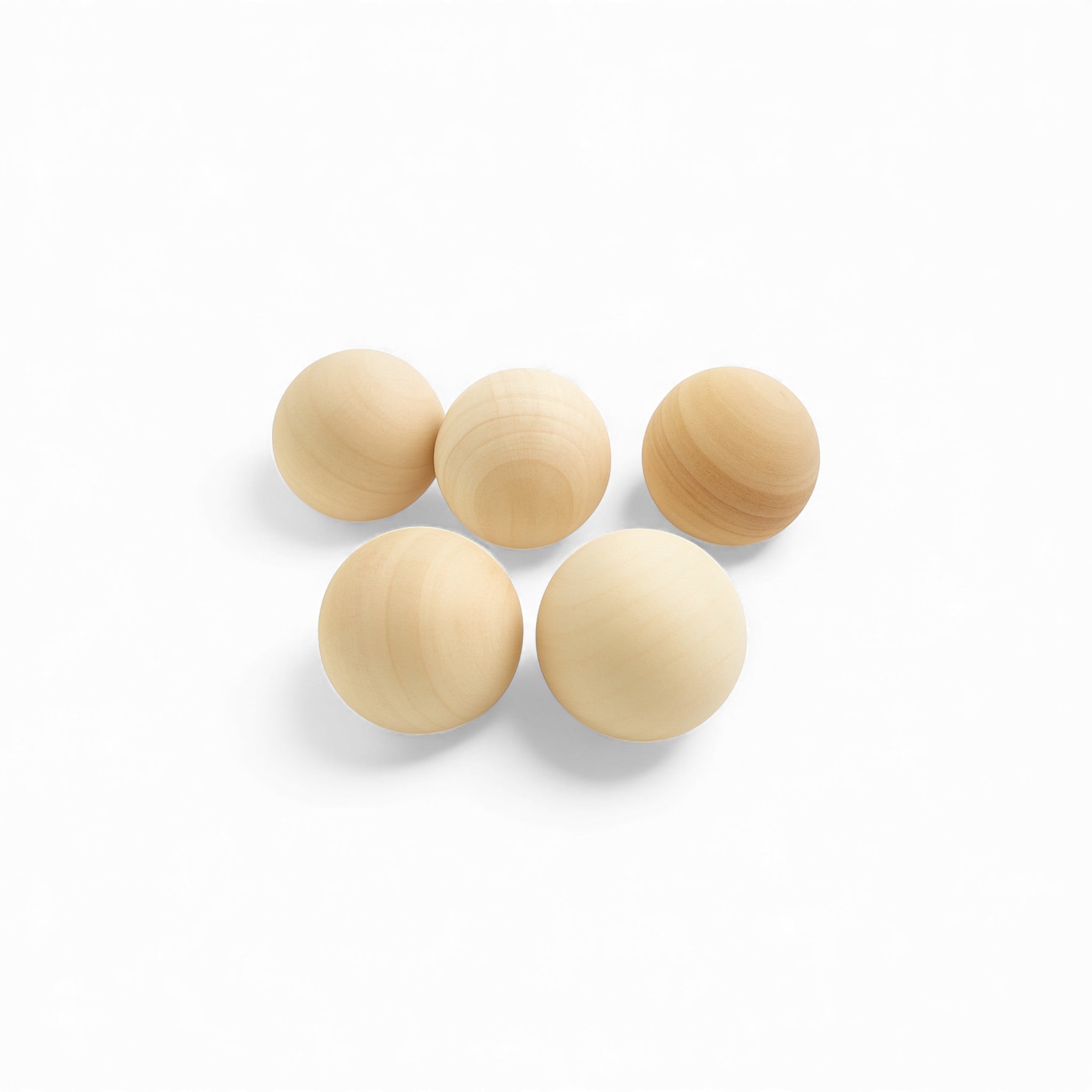
110 mm 8 Bocce Ball Set Bundle

Best for: advanced backyard practice set alongside tournament-tier competition sets.
Preparing for tournament competition
Advanced players prepare for tournaments with structured six-to-twelve-week programs before major events. Practice volume rises. Match simulation takes over from open-court drilling in the last three weeks. Mental game work runs alongside the physical build. Equipment gets a final round of fine-tuning so nothing changes in the tournament week itself. For a session-level template see our Bocce Match Preparation guide.
Match simulation is the piece that separates tournament-ready players from strong practice players. Run twelve-point games against a comparable partner. Keep score on paper. Play through the whole game even after a bad frame, and treat the last three frames the same way a tournament competitor treats the closing frames of a bracket match. Every element of tournament pressure that can be simulated in practice should be, because the first sanctioned event of a season is a poor place to discover which parts of a game fall apart under stakes. A player who has already lost a simulated match on a bad final frame will recover faster the first time it happens in a real bracket.
The mental game becomes a deciding factor at advanced level. Present-moment focus under pressure. Consistent pre-throw routines that reset between frames. Recovery from missed throws without carrying the miss into the next one. Sports psychology work and short daily meditation practice both show up in the training routines of players who consistently finish in the top bracket at regional events.
Physical conditioning supports the tournament day. Legs for the walking, shoulder integrity for hundreds of repeated throws, core strength for balance through the release. Baseline general fitness lets an advanced player finish a five-hour tournament day at the same level of performance they held in the first two hours, which is where a fatigued competitor typically drops frames.
Nutrition and recovery become meaningful at the tournament level. Hydration during long matches keeps focus stable. Sleep quality in the week before an event affects reaction time and mood regulation on the court. Rest between back-to-back tournament weekends matters as much as the practice between them. These small factors compound over a season of sanctioned events.
Scoreboard Indicator Replacements Green Red

Best for: advanced players who maintain their own tournament equipment including replacement scoreboard indicators for well-used sets.
Building a multi-year development arc
Advanced players think in multi-year cycles. Year one expands the technique repertoire and adds the elite shots to the working vocabulary. Year two deepens competitive experience through regular league play and quarterly tournaments. Year three refines the mental game and starts to produce results that reflect the earlier work. This long-term framing sustains motivation through the plateaus that would otherwise pull a player out of the game.
Plateaus at advanced level are predictable, and each one has a working response. Year four often brings a technique plateau where every shot feels stuck at its current level, and the fix is usually a coach or advanced training partner who can spot the mechanical shift from outside the throw. Year six often brings a mental game plateau, and sports psychology work or a consistent meditation practice usually moves it. Year eight can bring a motivation plateau where the competitive drive wanes, and a change of format, a new tournament circuit, or a coaching role can restart the arc.
Equipment considerations at advanced level involve multiple sets. A tournament competition set for sanctioned events, kept in the case and inspected before each event. A practice set that can absorb heavy repetition without losing surface consistency across seasons. A backup set that stays in the car for travel events and unexpected league opportunities. Replacement pallinos, scoreboard indicators, and measuring tape round out the equipment inventory. Total investment for a serious competitor typically runs a thousand dollars or more when factored across sets and replacement parts over several seasons of competitive play.
League play and tournament rotation together maintain the balance between competitive intensity and long-term skill development. Weekly league frames keep the game sharp between events. Quarterly tournaments raise the stakes and expose whatever the league play has been hiding. Advanced players compete year-round with short off-weeks after major events for physical recovery.
Community contribution is where advanced players extend the game and reinforce their own fundamentals. Coaching a beginner group forces a player to articulate technique that has become unconscious, and the articulation itself improves the player's own execution. Organizing a local tournament builds the calendar that the next generation of competitors will use. For coverage of the coaching side see our Bocce for Coaches guide.
The long arc is what carries advanced play through the years. A player who compares year five to year one, and then year ten to year five, can see progress that a session-to-session view completely misses. Match footage from three seasons back set alongside recent footage usually surprises the player watching it, because the improvements have compounded so gradually that the daily view registers almost none of them. Long-arc perspective is what carries advanced players through the plateaus that would otherwise end the run, and it is the reason the players who last a decade at the competitive level are often the ones who kept the earliest video reviews.
Why Buy Advanced Bocce from BuyBocceBalls
We carry the full EPCO tournament lineup that advanced players actually compete with, and our team can advise on multi-set configurations for competitors who need practice, tournament, and travel sets from the same production batch for consistency. Every order ships from our US warehouse within one to two business days, so a set ordered on Monday reaches most of the country before the following weekend's league night.
Frequently Asked Questions
How much do advanced players practice?
5 to 10 hours weekly across 5 to 7 sessions.
When do advanced players enter tournaments?
Year 3+ of regular play with structured tournament preparation.
Do advanced players use different equipment?
Yes. Tournament-tier sets and often multiple sets for different scenarios.
How do advanced players avoid plateaus?
Weakness isolation, video analysis, coach engagement, and cross-surface variety.
Should advanced players coach beginners?
Yes. Coaching reinforces personal fundamentals and contributes to the community.