Elite bocce operates at championship level. Players at this tier structure their weeks around technical practice, match play, and tournament travel with the same commitment other elite athletes bring to their sport. Careers span decades. Preparation cycles span months. Decisions about equipment, coaching, and international competition compound over years of steady work. This guide covers what championship-level preparation looks like in 2026, from weekly training volume through international competition and long-term career sustainability. For the phase before this level see our Bocce for Advanced Players guide.
Key Takeaways
- Elite bocce demands 15 to 25 hours weekly across practice, match play, and tournament competition.
- Tournament infrastructure covers multiple sets, travel bags, court measurement tools, and ongoing coaching relationships.
- US elite competition runs through USBF Open Rules championships that feed into international events with the FIB and other national federations.
- Sports psychology and physical conditioning carry real weight at championship level alongside technique refinement.
- Elite careers span two or three decades when players manage rest, cross-training, and life balance outside the sport.
Training volume and the championship preparation cycle
Elite players commit 15 to 25 hours weekly to bocce, and the breakdown of those hours drives the outcome. Daily technical practice covers grip, release, and consistency work. Weekly match play builds live-fire experience against comparable opponents. Monthly tournament competition tests the training under pressure. Coverage of elite training in United States Bocce Federation championship materials confirms this weekly cadence across sanctioned programs.
Championship preparation cycles run six to twelve months when the target event is a national or international championship. Base building comes first, with volume-heavy training focused on repeatable mechanics under low pressure. This phase can span two to three months and often includes conditioning work at a volume most recreational players never see. The point of the base phase is to load the throwing shoulder and the supporting muscles until the mechanics hold up under high volume without drift.
Technique refinement follows base building. This phase is where video review, coach feedback, and targeted drill sequences do their heaviest work. Players isolate weak points from the previous competition cycle and rebuild them in a controlled environment. The refinement phase runs roughly two months and produces the biggest performance gains of the whole cycle when it is planned well and executed with discipline.
Competition ramp-up brings the intensity back to match conditions. Practice matches fill more of the weekly schedule. Tournament weekends occupy the calendar. Sleep, nutrition, and travel patterns start mirroring what the target event will require, and many players use lower-tier regional events in the weeks before a championship as live rehearsal for the routines they plan to run at the main event. Peak preparation compresses everything into a taper of two or three weeks that leaves the player fresh for the event with sharpness intact.
Post-championship reflection closes the cycle. Elite players sit with the results, mark which technical elements held under pressure and which broke down, and set the goals for the next base-building phase. Coverage of preparation-cycle discipline in Wirecutter broader elite-sport reporting shows that structured cycles outperform loose planning across almost every sport with a discrete competitive season.
Tournament infrastructure and international competition
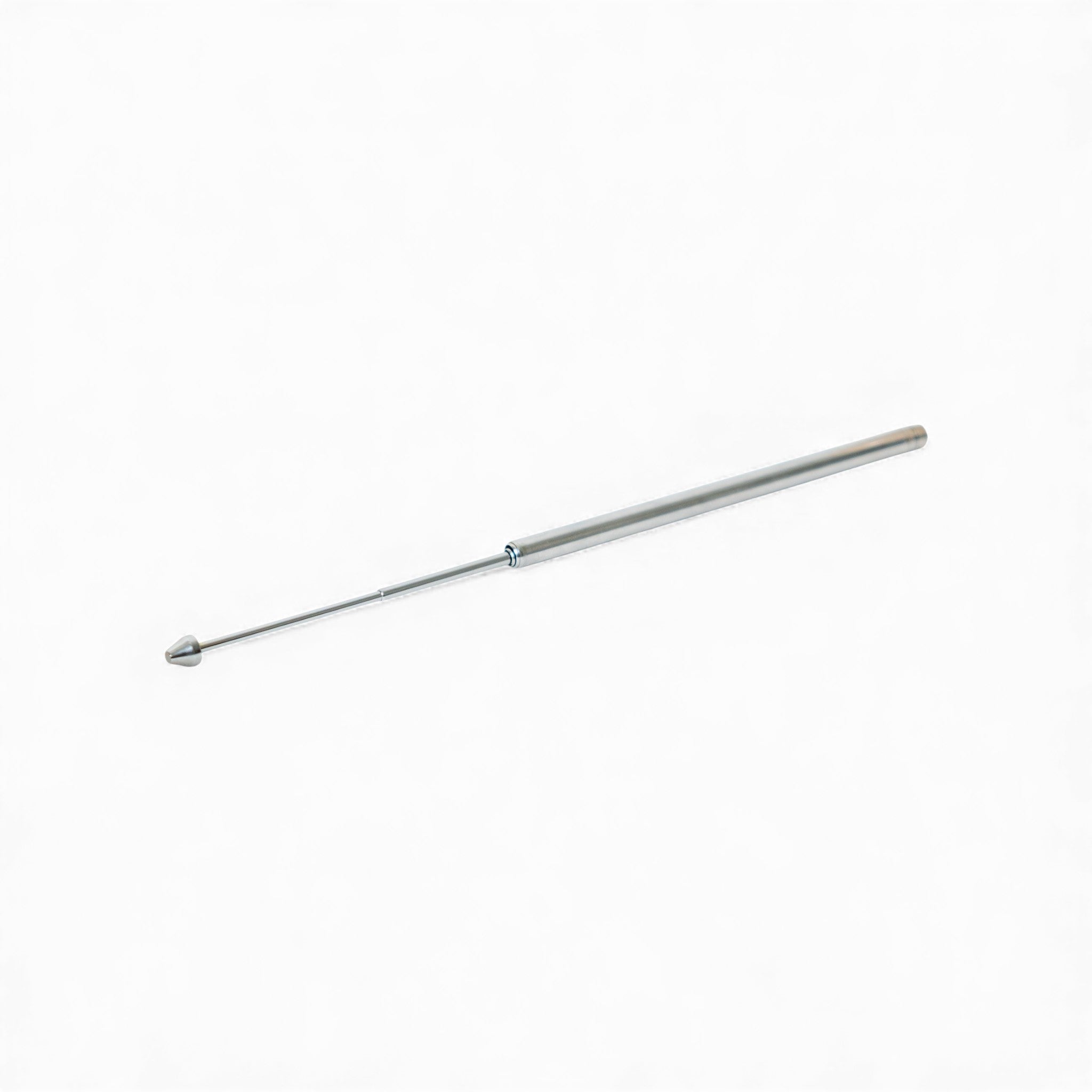
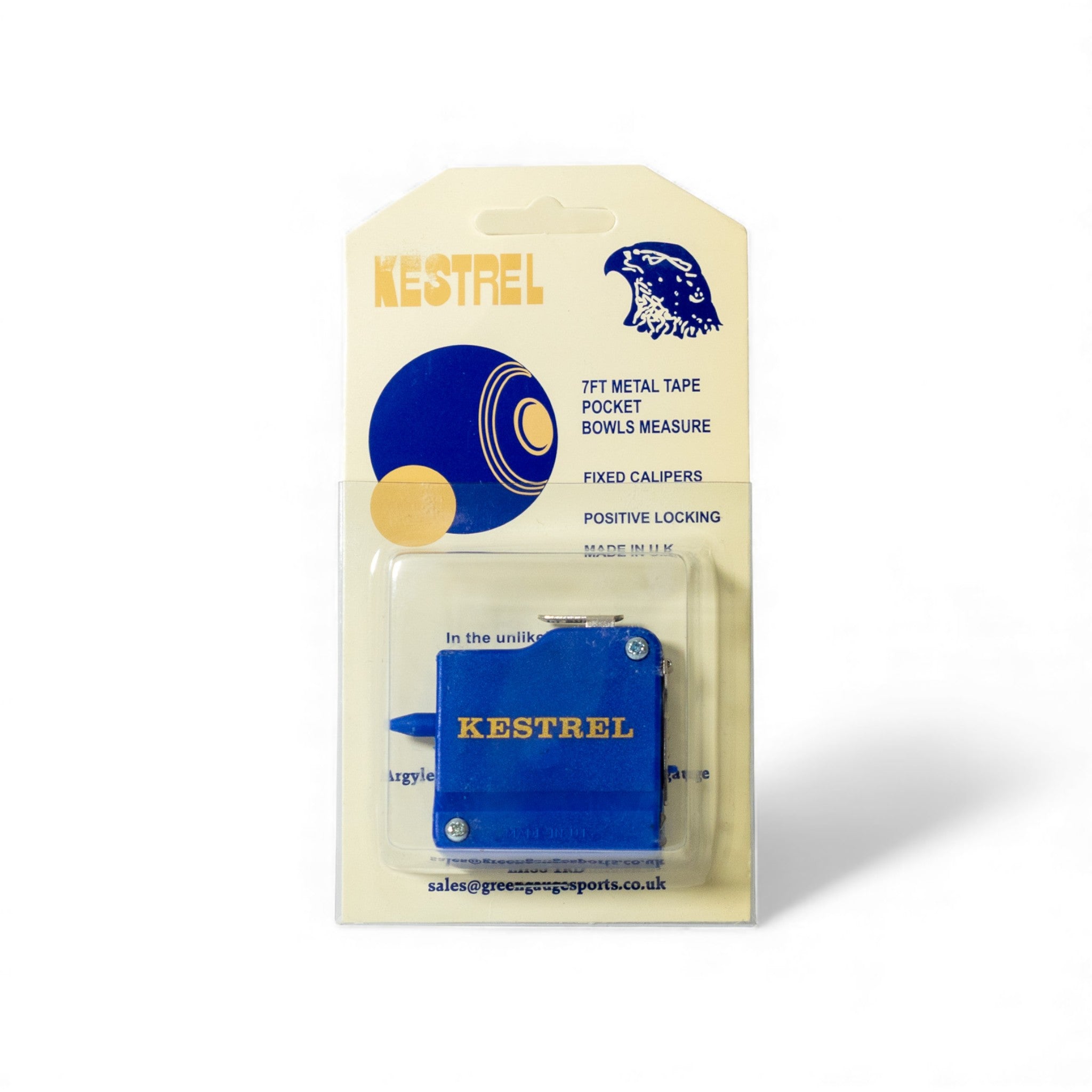
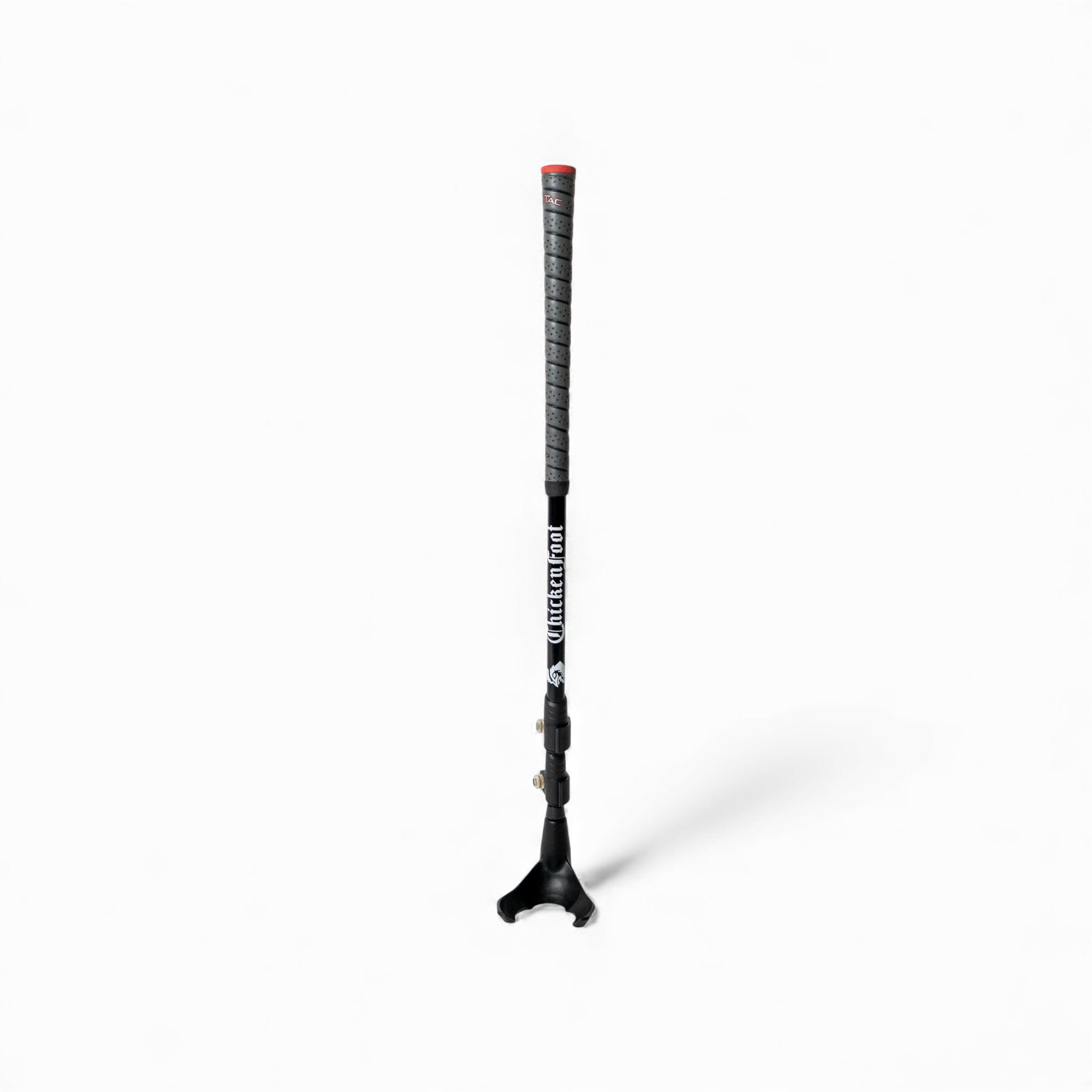
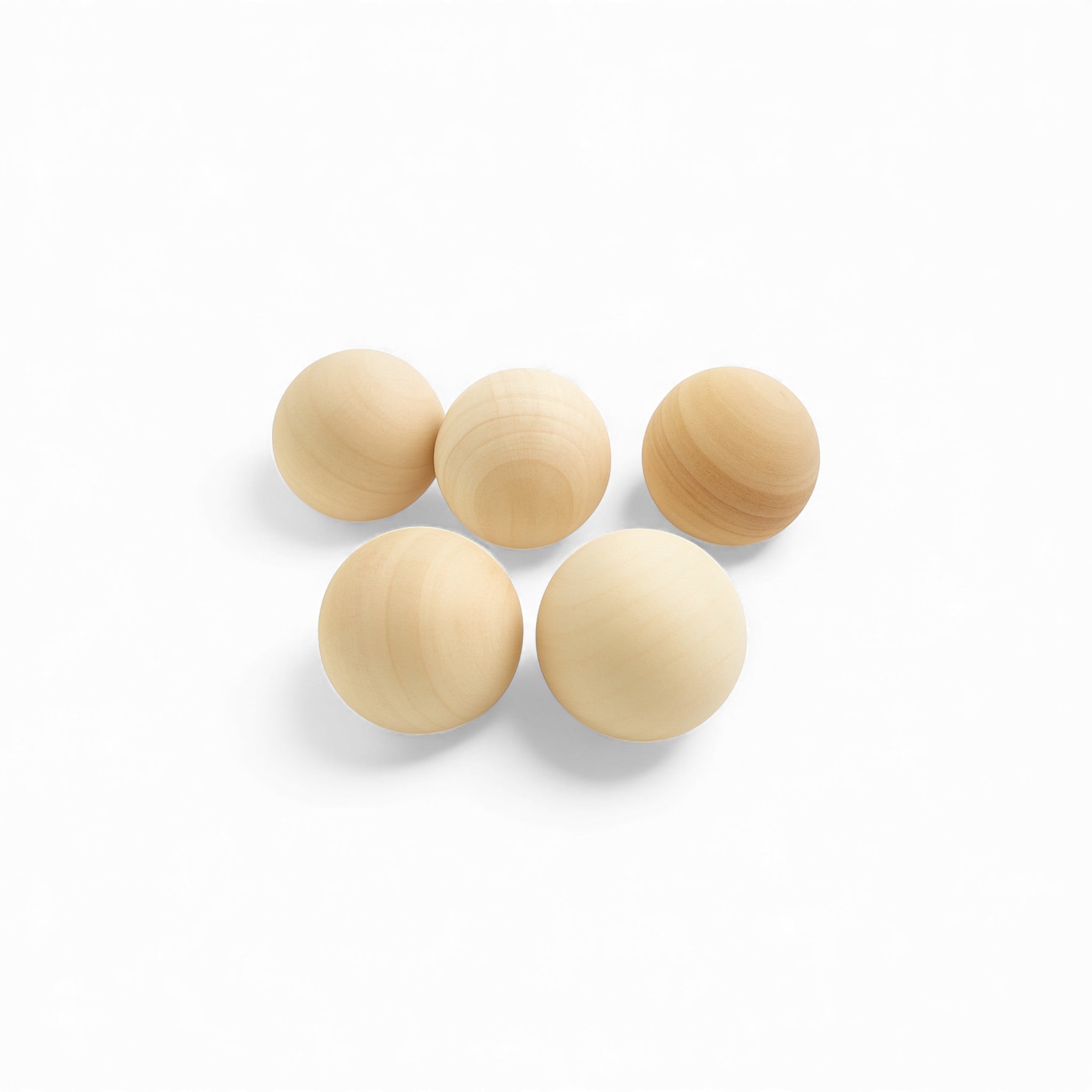
Elite players maintain equipment and support infrastructure that recreational players rarely see. A competition set kept in tournament condition. A practice set that absorbs the daily volume. Travel bags built for airline compliance. Court measurement tools for pre-match setup. Sports psychology contact information. Coach relationships with scheduled review sessions. The infrastructure supports performance across multi-year competitive cycles and pays for itself in reduced last-minute logistics.
US elite competition runs primarily through USBF Open Rules championships. Regional qualifiers feed into national events, and national champions then represent the United States at international competition. Rules mastery drives outcomes at this tier alongside technique because match results often hinge on interpretations that the average club player never encounters. For the current USBF framework see United States Bocce Federation championship coverage.
Bocce Rule Book: Official Open Rules

Best for: elite players who reference the official USBF rulebook regularly for tournament nuances and rule interpretations.
International competition expands the picture substantially. FIB World Championships, Bocce Volo World Championships, and Punto-Raffa-Volo events bring together elite players from Italy, France, Argentina, Croatia, and other bocce nations. Each discipline has its own rule set and equipment norms. Coverage of international championships in Federazione Italiana Bocce materials details the sanctioned calendar and the qualification pathways for each event.
Travel logistics become part of the sport at elite level. Multi-set luggage adds weight fast, and airline weight limits require careful packing across primary and backup bags. Ball material and pallino sizing sometimes vary between US and European events, so competitors verify equipment specifications with the host federation well ahead of departure. Court-specific practice at the destination shortens the adjustment period once the player arrives, and most elite competitors budget a full day on site before a championship for exactly that purpose. Serious competitors treat travel planning with the same discipline they bring to training.
Financial investment reflects everything above. Multiple sets, travel expenses, coaching fees, tournament entries, and psychology support add up quickly. Serious competitors typically budget five thousand dollars or more per year for the full elite calendar, and international campaigns push that number higher. Elite players who plan the investment in advance avoid the mid-season cash pressure that derails otherwise strong seasons.
Building a sustainable elite career
Sports psychology work is standard practice at elite level. Pressure tolerance, focus routines, and pre-match preparation all respond to structured mental training in the same way physical technique responds to drill work. Elite players who work with a sports psychologist through a preparation cycle typically report faster recovery from missed shots and steadier performance in the final frames of close matches, when the outcome is on the line and the crowd noise peaks.
Physical conditioning supports the long tournament days elite competition requires. Cardiovascular endurance keeps the legs fresh through consecutive matches. Shoulder mobility protects the throwing motion. Core strength stabilizes the release. Flexibility work reduces injury risk over decades of competition. Coverage of physical preparation in broader elite-sport reporting confirms that conditioning prevents the fatigue-related performance drops that cost close matches deep into a tournament weekend.
Coaching relationships shape elite development along dimensions solo practice does not reach. Technical refinement, strategic development, match analysis, and video review all move faster with an experienced coach in the loop. The coach-player relationship at elite level often runs for years, with both parties working through preparation cycles together and building shared vocabulary that shortens every conversation about a technical fix or a strategic adjustment. Many elite players also maintain a second coaching contact for a fresh perspective ahead of major events, because a new set of eyes will often catch drift that the primary coach has grown accustomed to and stopped flagging.
110 mm 8 Bocce Ball Set Bundle

Best for: practice set for elite players. Backup or teaching set alongside the primary EPCO tournament configuration.
Elite bocce operates on multi-decade timescales when a career is built with sustainability in mind. Italy's top players often compete at elite level for twenty to thirty years, and the same pattern shows up across other bocce nations. Coverage of elite longevity in Britannica's entry on bocce places elite careers within the European tournament tradition of multi-decade participation.
Sustainability requires rest periods between tournaments, cross-training that reduces overuse on the throwing shoulder, and life balance beyond bocce. Elite players who protect their careers over the long run treat off-weeks as scheduled recovery, and they carry that same discipline into the community work that elite players end up doing: modeling technique for aspiring players, contributing to federation governance, and coaching the next generation of talent. All of it keeps the sport healthy from the top down.
Why Buy Elite Bocce from BuyBocceBalls
We carry the tournament-tier EPCO sets used at USBF-sanctioned championships, and every set ships from our US warehouse in one to two business days. For elite players managing multi-set competitive infrastructure, our team can advise on complete configurations that cover the primary competition set, a practice set kept in matched condition, and the pallino and measurement accessories that round out a serious tournament kit. Both the official USBF rulebook and the 110mm eight-ball bundle are in stock, and the same-day fulfillment supports competitors who need equipment in hand for the next scheduled event.
Frequently Asked Questions
How much do elite bocce players train?
15 to 25 hours weekly across practice and competition.
Do elite bocce players earn money?
Rarely in the US. International elite bocce has modest prize purses.
What is the elite bocce path?
10+ years of dedicated practice, regional and national tournament success, then international competition.
Do elite players work with coaches?
Yes typically. Coach relationships accelerate elite development.
How long is an elite bocce career?
15 to 30 years at elite level for well-conditioned players.