Bocce is one of the easiest outdoor games to teach children. The basic rules take five minutes. The equipment fits small hands with the right size. The strategic depth keeps kids engaged as they grow into more sophisticated play. This guide walks through teaching kids bocce with age-appropriate rules, equipment, and techniques in 2026. For broader family context see our Multi-Generational Bocce Guide.
Key Takeaways
- Kids can start bocce at age 5 with appropriate accommodations.
- The 73 mm metal set fits small hands and lighter throwing strength.
- Shorter courts (20-30 feet) fit kid throwing distances.
- Simplified scoring keeps games moving for short attention spans.
- Strategy concepts can be added gradually as kids develop.
Age 5 to 7: The Basics
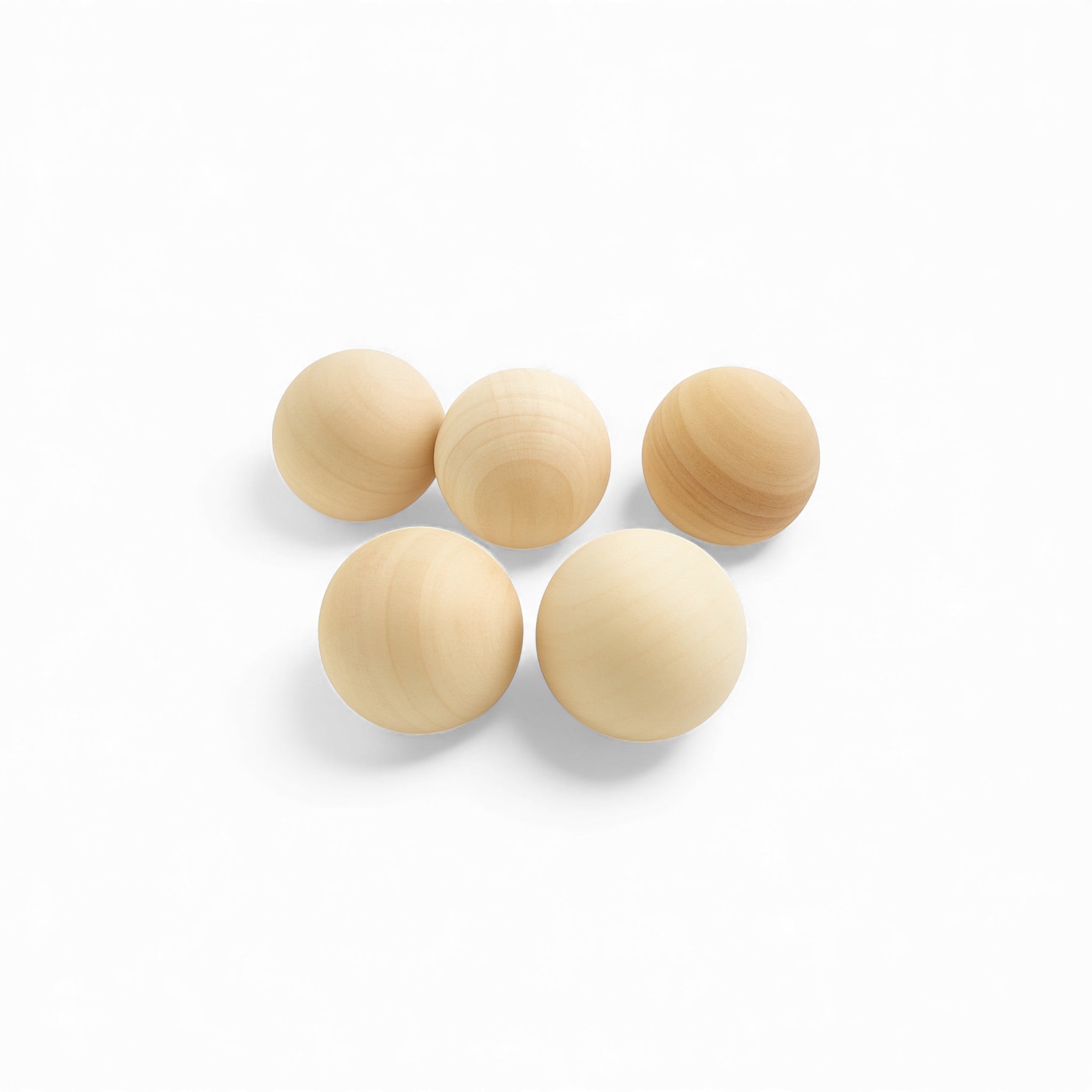
Start with the smallest ball size (73 mm metal) on a shortened court (20 feet). Teach the underhand throw motion. Practice rolling the ball toward the pallino as the only goal. Skip scoring at first; focus on the physical throw and hand-eye coordination. Sessions run 15 to 20 minutes to match attention span. For complete kids set coverage see our Best Bocce Sets for Kids and Family.
73 mm Metal Petanque Boules 6-Set Bundle

Best for: teaching kids ages 5 to 7. Smaller hand-friendly size that fits developing motor skills.
Age 8 to 12: Full Rules
By age 8, most kids can handle 107 mm or 110 mm sets with full-length courts (40 to 60 feet). Introduce scoring: closest ball wins the frame. Games run to 12 points to keep sessions manageable (about 45 minutes). Introduce basic strategy: throw the first ball close, then react to opponents. Coverage of youth sports development in Wirecutter broader family recreation coverage consistently positions age 8 as the transition to full-format play.
Age 13 to 17: Advanced Play
Teenagers can handle tournament-grade equipment and full 15 or 21 point games. Introduce advanced strategy: blocking, hitting, pallino placement. Some competitive teens develop the throw consistency that leads to league play. For competitive teens see our Bocce Strategy for Beginners guide.
Simplified Scoring for Kids
Standard bocce scoring awards points per ball closer than the closest opponent ball. For younger kids, simplify: only the closest ball scores, one point per frame. Games to 5 or 7 points. The simplified scoring keeps games moving and reduces the mental load during early learning. For complete scoring coverage see our How to Score in Bocce guide.
The 5-Minute Teaching Lesson
Show one throw. Have the child throw one ball. Give one correction (usually about release height or force). Have the child throw again. Repeat. The 5-minute lesson delivers the basic throw motion. Additional refinement happens through repeated play across sessions. Coverage of children's sports instruction in Britannica's entry on bocce traces the long European tradition of family bocce teaching.
Common Teaching Mistakes
Too much explanation up front (kids learn from doing). Too much correction per throw (overwhelms early practice). Too much competitive pressure (removes the fun). Ending sessions when the kid is still enjoying the game (leave them wanting more). The teaching mistakes mirror general children's sports instruction patterns.
110 mm 8 Bocce Ball Set Bundle

Best for: kids age 8 and up. Handles the transition to full-format play.
School and Summer Camp Programs
Bocce increasingly appears in school PE curricula and summer camp programs. The equipment cost is reasonable, the space requirements are modest, and the game teaches spatial reasoning alongside physical coordination. For complete camp coverage see our Best Places to Buy Bocce for Summer Camps.
Youth League Bocce
Some regions have youth bocce leagues through community organizations and cultural centers. Youth leagues typically run 8 to 12 week seasons with age-grouped competition. The United States Bocce Federation youth outreach programs support league development.
Making Practice Fun
Kids stay engaged when practice includes variety. Rotate through games: target practice, closest-to-the-pallino contests, team relays. The variety maintains interest across long sessions and holidays away from formal league play.
Bocce for Homeschool PE
Homeschool families increasingly include bocce in physical education programming. The game fits multi-age homeschool sessions where children of different ages participate together. For complete family activity coverage see our Multi-Generational Bocce Guide. The Federazione Italiana Bocce youth outreach guidance covers homeschool patterns.
Building the Habit
Casual family bocce works best when it becomes a regular tradition. Weekly weekend games at home. Regular play at cabin visits. Monthly bocce nights with extended family. The habit-building matters more than any single lesson.
Why Buy Kids Bocce from BuyBocceBalls
We carry sets appropriate for every kid age. Every set ships from our US warehouse in one to two business days. For parents planning family bocce traditions or school PE program coordinators, our team can advise on the right sets.
Frequently Asked Questions
At what age can kids start playing bocce?
Age 5 with appropriate accommodations (smaller balls, shorter court, simplified scoring).
What is the best bocce set for kids?
73 mm metal set for ages 5-7. 110 mm bundle for ages 8+.
How do you teach a child to throw a bocce ball?
Show one throw. Have them throw one ball. Give one small correction. Repeat across short sessions.
Should kids play by simplified rules?
Yes for younger kids (5-7). Simplified scoring and shorter courts fit their attention and physical capability.
Can bocce be part of school PE?
Yes. Bocce fits PE curricula and works for mixed-age classroom groups.