Bocce shows up in rehab plans more often than most people realize. The underhand throw uses a limited range of motion, the walking between throws doubles as gentle cardiovascular activity, and the scoring adds a light cognitive load for patients who need one. This guide covers the sets that work for physical therapy in 2026, the conditions bocce complements well, and the practical structure of a rehab session a therapist would sign off on. For a health-first read on the game see our Bocce for Arthritis guide.
Key Takeaways
- The best bocce sets for physical therapy use lighter balls in the 73 mm to 110 mm range so grip-limited patients can still complete a full session.
- The underhand throw motion is gentle on shoulders and elbows, which makes bocce a natural complement to rotator cuff and lateral epicondylitis rehab.
- Walking between throws supports mobility recovery for hip replacements, general balance training, and cardiac rehab that needs low-intensity movement.
- Bocce complements PT programs for arthritis, shoulder work, hip recovery, cognitive rehab, and mental health support through group play.
- Therapist-approved sets favor accessible sizes, lightweight construction, and high-contrast colors for patients with vision changes.
Choosing rehab-appropriate ball weight and size
Standard regulation bocce balls come in at 107 mm and weigh close to two pounds each. For a healthy adult with full grip strength that weight is unremarkable. For a patient recovering from hand surgery, wrist tendinitis, or a stroke, it is often too much for the first months of rehab, and switching to a lighter set can make the difference between a workable therapy session and a frustrating one that ends early.
The 73 mm metal petanque size is where most grip-limited rehab work starts. The ball fits inside a partially closed hand, the swing motion carries less inertia, and the wrist does not have to work hard at release. Coverage of adaptive equipment in United States Bocce Federation outreach materials confirms that smaller sizes belong in the accessibility toolkit for physical therapists and adaptive-sports programs.
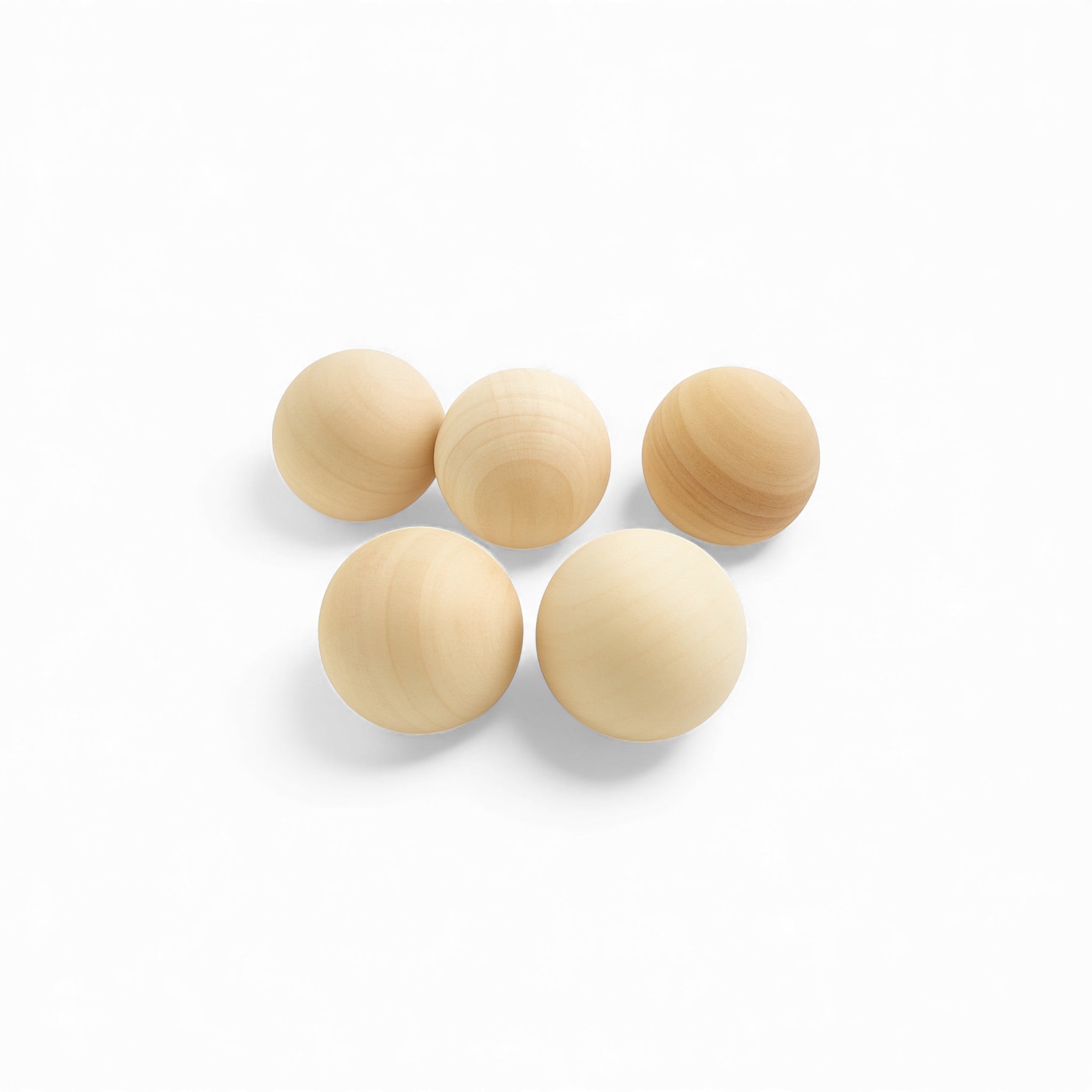
The 110 mm eight-ball bundle sits in the middle of the rehab range. It is slightly larger than a regulation ball, which many patients with mild grip issues find easier to hold, and its lighter composite construction reduces arm strain across a full session. This is the set most home-based rehab plans end up using once a patient graduates from the smallest option, and it also doubles as a family set once rehab wraps up.
A therapist choosing between the two typically starts smaller and works up. Patients who feel comfortable with 73 mm after four or five sessions often move to 110 mm as their strength returns, and those who reach the point of playing standard 107 mm balls at full distance are usually ready to be discharged from active rehab. Mapping the full progression at the start keeps the equipment side of the plan aligned with capacity week to week.
Color contrast matters more than most first-time buyers expect. Patients with vision changes from stroke, cataracts, or age-related macular degeneration will play better with high-contrast sets that put a bright pallino against darker balls. Any set that comes in two clearly different colors will work, and taking a moment to check whether the patient can distinguish the pair from twenty feet away is worth doing before the first session.
110 mm 8 Bocce Ball Set Bundle

Best for: rehab-friendly backyard set with 110 mm balls for hand-friendly size and moderate weight.
Applications across common rehab tracks
The bocce underhand throw uses limited shoulder rotation, which makes it a natural fit for rotator cuff recovery. Patients can work within their pain-free range of motion, extend distance as tolerance grows, and follow the same short-to-long progression their PT already uses for other exercises. The throw arc is smooth enough that most patients report no post-session soreness beyond what their protocol expects.
Elbow rehab benefits from the controlled arm swing with light weight. The 73 mm metal petanque size provides the right balance for tendon recovery from lateral or medial epicondylitis, and gentle repetitive motion supports tendon healing without loading the joint the way a racquet or weight would. Coverage of gentle activity in rehab at Wirecutter's broader wellness section confirms low-impact recreation as an effective PT complement when paired with a structured program.
Post-hip-replacement patients get quiet benefit from the walking that comes with every frame. A full game covers thirty to sixty feet in each direction between rounds, and the standing balance required during the throw exercises the same stabilizers that early hip rehab targets. Arthritis patients tolerate the game well for the same structural reason, with no sudden impacts and no high-force throws required, and seated play is an option when a flare-up makes standing difficult.
Balance training is where bocce sneaks in the most work. The stationary throw position tests standing balance without the patient realizing they are being tested, and patients recovering from vertigo, inner-ear issues, or general fall risk benefit from the practice. Cognitive rehab picks up similar quiet benefits, since stroke recovery, mild cognitive impairment, and post-concussion patients get useful reps from the spatial reasoning and scoring involved. Coverage of cognitive activity in Britannica's entry on bocce places the game within intergenerational and therapeutic traditions.
Cardiac rehab uses bocce as a gentle sustained-activity option. It adds mild exertion in a form patients enjoy enough to keep doing, and adherence is where most cardiac rehab plans quietly fail. The social component adds a mental health benefit that is easy to overlook, and depression, anxiety, and social isolation all respond well to group play. Coverage of social recreation in rehab in Federazione Italiana Bocce outreach materials treats the social benefit as central to the game's therapeutic history.
Green Bocce Keychain

Best for: hospital gift shop or PT clinic accessory for bocce enthusiasts in recovery. Small token that inspires practice.
Building the rehab session
A typical PT bocce session runs sixty to seventy minutes end to end. Twenty minutes of warm-up, forty minutes of gentle throw practice, and ten minutes of cool-down with walking covers most protocols, and two to three sessions weekly during active rehab is the frequency most therapists settle on. Sessions shorter than thirty minutes rarely produce enough repetitions to matter, and sessions longer than ninety minutes tend to fatigue the patient past the point where technique holds up.
Progression through the rehab arc is usually mapped in two-week increments. Weeks one and two often start with seated throws from a short distance to protect the healing tissue and let the patient rebuild confidence. Weeks three and four introduce standing throws at twenty feet, weeks five and six move to full standing throws at forty feet, and by week seven most patients can handle normal backyard play with the caveat that their specific plan may run faster or slower.
Consulting the PT or occupational therapist before the first session is essential. They will advise on the appropriate ball weight, distance, and frequency for the specific injury or condition, and they may adapt the standard bocce protocol for a spinal fusion patient in ways that differ significantly from what a rotator cuff patient needs. Bringing the equipment list to the appointment lets the therapist sign off on the choices before any money changes hands.
Home setup for rehab looks different from a competitive court. A shortened backyard court of twenty to thirty feet supports most recovery work, and a full sixty-foot regulation court is often unnecessary during the acute rehab phase. Adapting court length to current capability is the standard approach, and expanding as tolerance grows keeps the setup aligned with progress. For a full walkthrough of building a court see our Backyard Bocce Court DIY guide.
Group rehab programs at senior living communities and outpatient rehab centers have grown noticeably in the last five years. The social element combines with the physical benefit in a way that individual sessions cannot match, and patients who might skip a solo appointment will show up for a group. Asking the PT or facility about group options is worth doing early in the rehab arc, since the ones that exist typically fill up and the ones that do not exist can sometimes be started with a bit of coordination.
Why Buy Rehab Bocce from BuyBocceBalls
We carry rehab-friendly bocce sets across the full size range, from the 73 mm metal petanque option for grip-limited hands to the 110 mm eight-ball bundle for moderate rehab and standard 107 mm regulation sets for the graduation phase. Every set ships from our US warehouse within one to two business days, which matters when a therapist wants the equipment on hand before the next appointment.
For PT professionals selecting equipment for a clinic or patients selecting for home use, our team can advise on the right size and weight for a given rehab track. Sending us a short note about the condition and current stage of recovery is enough to get a recommendation a therapist will usually agree with, and we treat those conversations with the seriousness the underlying work deserves.
Frequently Asked Questions
Is bocce good for physical therapy?
Yes. Low-impact throw motion and gentle walking support recovery.
What size bocce for rehab?
73 mm petanque for grip-limited hands. 110 mm for moderate rehab. 107 mm for advanced recovery.
Can arthritis patients play bocce?
Yes. Bocce is joint-friendly and often recommended.
Does bocce help balance training?
Yes. The stationary throw position tests standing balance.
Should I consult my therapist before starting bocce?
Yes. Your PT can adapt bocce to your specific rehab plan.