Bocce is one of the most inclusive competitive sports available anywhere. Special Olympics recognizes it as an official sport, wheelchair players compete in sanctioned brackets, and the game's flexible rules absorb almost any physical accommodation a player needs. This guide walks through the equipment that supports adaptive and wheelchair play in 2026, the setups programs actually use with different populations, and the practical decisions that come up when you order equipment for a community program. For accessibility context see our Bocce for Arthritis and Joint Health.
Key Takeaways
- Special Olympics uses standard 107 mm bocce sets for competition.
- Wheelchair bocce uses ramps for players unable to throw by hand.
- Adaptive bocce accommodates various disabilities and mobility levels.
- Smaller 73 mm petanque sets work well for grip-limited players.
- Inclusive equipment supports adaptive play without special modifications.
Standard tournament equipment for Special Olympics play
Special Olympics competition uses the same 107 mm tournament set that USBF-sanctioned tournaments use. Athletes with intellectual disabilities compete on identical equipment to their non-disabled peers at every level of the game. Coverage of Special Olympics bocce in United States Bocce Federation outreach materials confirms that standard equipment carries directly across into inclusive play, and that fact simplifies purchasing decisions for programs that serve both audiences.
A tournament-grade ball weighs about 920 grams and is molded from high-density resin, with a matte finish that grips reliably even in cool morning conditions. Programs that invest in tournament-grade sets spend less over five years, because the balls survive thousands of throws without visible wear on the color coats or the surface texture. For a program that runs weekly sessions with multiple squads sharing equipment, that durability translates directly into a lower per-season cost.
Color choice carries extra weight in adaptive play. Bright, high-contrast color pairs help players with mild visual impairments track their team's balls against the court surface, and they reduce disputes during measurement moments when a support staff member has to identify whose ball is where. The traditional red and green pair works well for most players, and adding a strong yellow or blue as a third color helps in mixed-team formats.
Pallino visibility is the other equipment detail that pays off in adaptive settings. A white pallino disappears against a light court surface at distance, and a bright yellow or orange pallino stays visible from the throw line for every player at the session. Some programs buy pallino packs in multiple colors so a coach can switch to whichever pallino stands out best against the specific court the group is using that day.
Half Red Half Green Bocce Keychain

Best for: adaptive bocce enthusiasts and Special Olympics athletes wanting a small keepsake. Two-color design represents inclusive play.
Adaptations across mobility, grip, sensory, and vision needs
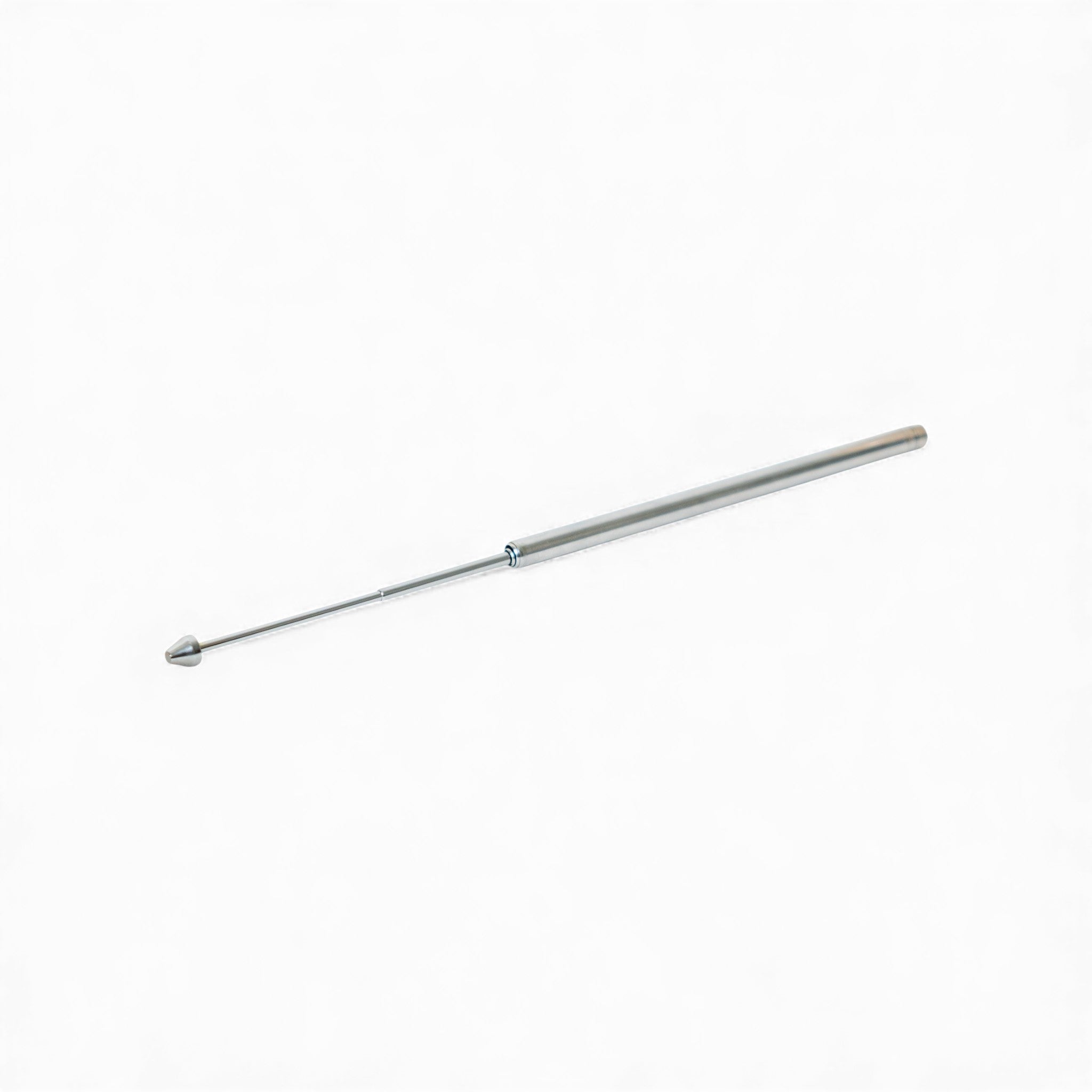
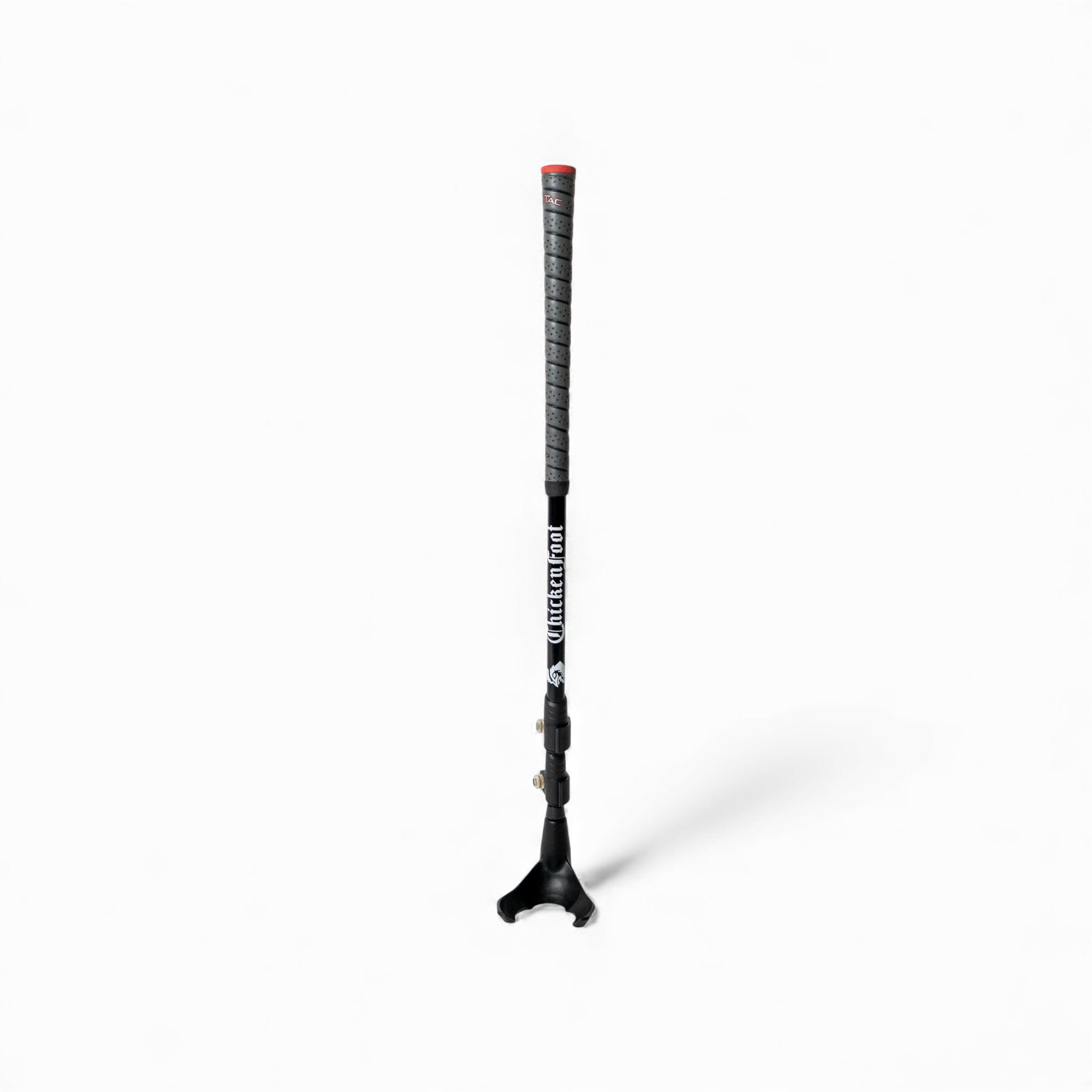
Wheelchair players approach bocce in two distinct ways. Athletes with upper body strength throw the ball directly from a seated position, using a shorter arm swing and a stable base, and the throw motion adapts naturally within a few sessions of practice. Players without the shoulder or elbow strength for a direct throw use a bocce ramp, an inclined guide that the player aims and releases the ball down. Ramp bocce is a formal competition category, and the equipment for it works with standard tournament balls.
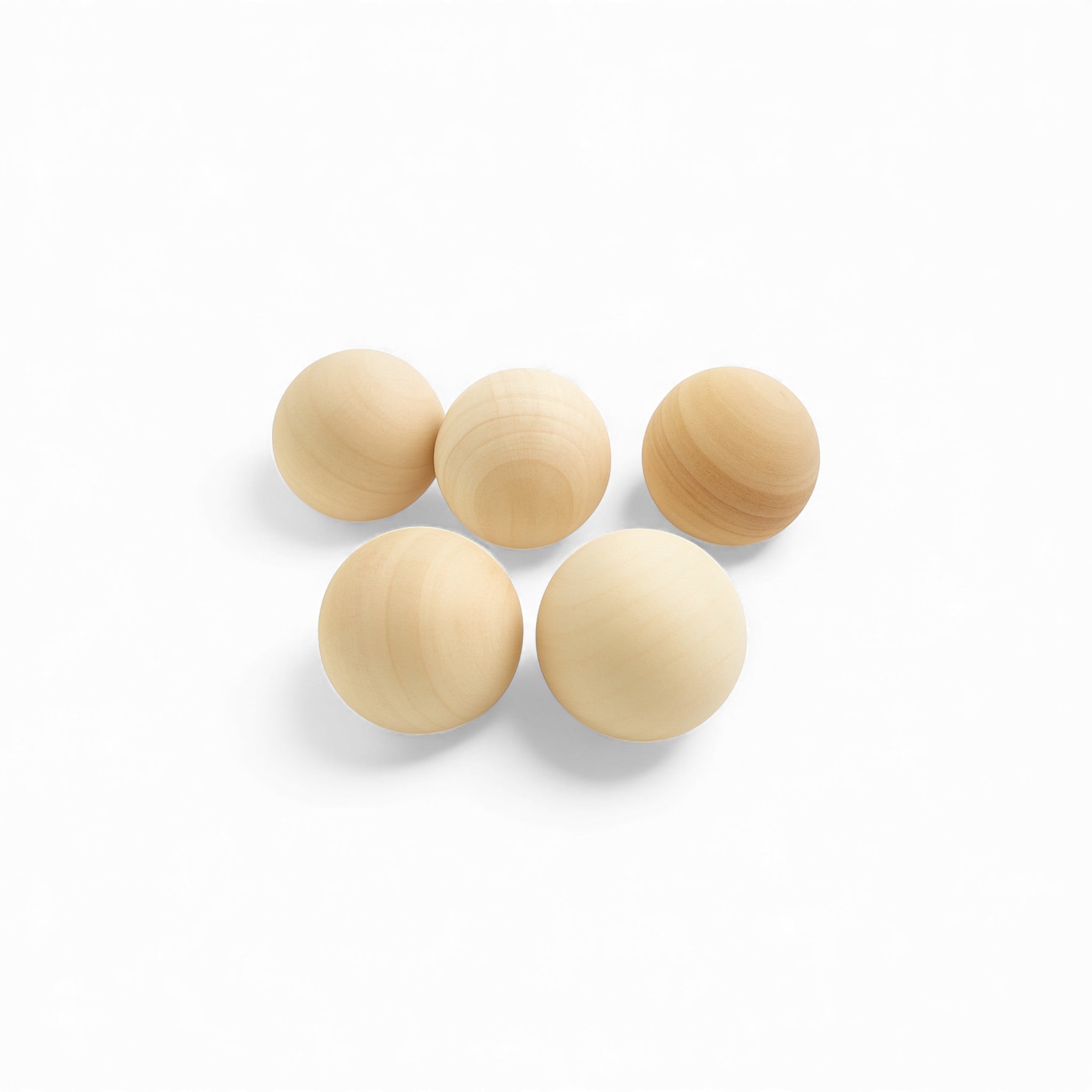
Grip-limited players often prefer smaller and lighter balls than the tournament 107 mm size. A 73 mm metal petanque set weighs less, sits inside a smaller closed grip, and asks less of the hand and wrist during release. Players with arthritis, muscular dystrophy, cerebral palsy, or grip-strength loss from age can play a long comfortable session with 73 mm balls when a full-size tournament ball would fatigue them within a few frames. Coverage of adaptive sizing in Federazione Italiana Bocce outreach materials confirms smaller sizes for accessibility.
Visually impaired players adapt to bocce through a combination of high-contrast equipment and verbal coaching. A guide walks the court between frames to describe ball positions to the player, using a consistent vocabulary of directions and distances so the player builds a reliable mental map of the frame. Standard equipment supports this format with no modifications beyond bright pallino colors and clean, contrasting ball colors. Programs that serve blind and low-vision players usually keep a set of tactile markers at the throw line so players can orient themselves without a sighted assist.
Players on the autism spectrum often find bocce a comfortable competitive environment because the sensory profile is predictable. The pace is unhurried, the equipment is quiet, the rules stay stable frame after frame, and the physical activity happens in short controlled bursts with clear rest between throws. Special Olympics chapters report strong retention among autistic athletes across their bocce programs, and the same qualities help players with anxiety and sensory processing differences engage with a team sport.
Amputee athletes play with a modified stance or single-arm throw motion that the game absorbs without needing any equipment change. A player with a below-elbow amputation on their dominant side develops a strong non-dominant throw over a season of practice, and a player with a below-knee amputation adapts the approach step to a stationary release. Standard 107 mm sets work across every one of these accommodations, which is why programs can start with a single tournament-grade purchase and serve a mixed roster from day one.
Developmental accommodations tend to work through rule simplification. Coverage of simplified rules in Britannica's entry on bocce places these adaptations within the game's flexible tradition, and the practical version most programs use collapses scoring to closest ball wins with one point per frame. That version teaches the core skill without the working-memory load of the multi-point counting convention, and players who master the simplified format often graduate into standard scoring within a season.
110 mm 8 Bocce Ball Set Bundle

Best for: adaptive backyard and community program bocce with a full 8-ball set at accessible price.
Running an adaptive program from setup to long-term retention
A typical adaptive session runs 45 to 60 minutes with scheduled breaks between rounds. Support staff attend as needed to help with retrieval, scoring, and mobility transitions, and the ratio of staff to players varies with the population the program serves. Programs that pair one staff member with three to four players tend to keep the session flowing without long waits between throws, which matters because long waits are where attention drifts and where players who traveled a distance to attend start to disengage.
Court dimensions bend to fit the program. Regulation courts run 8 to 13 feet wide, and adaptive courts often run 6 to 8 feet wide to shorten the throw distance and reduce the physical demand on players with limited mobility. Approach zones can be widened to accommodate wheelchairs and mobility aids, and side rails can be padded to protect players who lose balance during their release. These modifications preserve every rule of the game while making the court itself accessible to every roster.
Team formats often pair players across ability levels through the Special Olympics Unified Sports program. Unified teams include athletes with intellectual disabilities alongside athletes without them, and the play format keeps every player meaningfully involved in every frame of the match. Coverage of unified sports in Wirecutter's broader inclusive recreation coverage confirms this model, and the programs that run unified brackets report retention rates well above their traditional single-population formats.
Local Special Olympics chapters run adaptive bocce in most of the country, and YMCAs, senior centers, rehabilitation facilities, and independent living organizations fill the gaps between chapters. Families or prospective players who want to find a program can start with their state's Special Olympics website, then work outward to municipal recreation departments and disability-focused nonprofits in their area. Most programs have a season schedule, an eligibility profile, and an equipment set they can describe in a single phone call.
Home practice extends what a program can accomplish inside its weekly session. A standard bocce set in the backyard gives a player the repetition volume that builds real skill between sessions, and families who set up even a rough backyard court see their athlete's tournament placement rise across a competitive year. For backyard court coverage see our Backyard Bocce Court DIY.
Adaptive bocce produces some of the longest playing careers in any competitive sport. The low physical impact suits players from early childhood through late adulthood, the social environment builds friendships that last past the season, and the confidence a player builds through competition carries over into other parts of their life. Programs that treat adaptive bocce as a serious long-term commitment build rosters that grow year over year, with athletes who stay involved for decades.
Why Buy Adaptive Bocce from BuyBocceBalls
We stock the standard tournament sets that adaptive programs actually use, along with the smaller 73 mm sizes for grip-limited players and the accessory pallinos that help visibility on any court surface. Every set ships from our US warehouse in one to two business days, which matters when a Special Olympics regional or a program launch is coming up on the calendar. Program coordinators, families, and coaches can reach our team for advice on which set fits their roster and their court, and we build orders around the specific population the program serves.
Frequently Asked Questions
Is bocce an Olympic sport?
Not currently a Summer Olympics sport, but it is an official Special Olympics sport.
Can wheelchair users play bocce?
Yes. Wheelchair bocce is a formal category. Standard sets work.
What is a bocce ramp?
An inclined ramp that allows players unable to throw by hand to release the ball down the ramp.
Are Special Olympics bocce sets different from regular sets?
No. Special Olympics uses standard 107 mm tournament sets.
How can I find adaptive bocce programs?
Local Special Olympics chapters, YMCAs, senior centers, and rehab facilities.