Bocce is a symmetric game. The balls are round, the pallino is round, the court plays the same in either direction, and the underhand throw motion works the same way whether the ball leaves the left hand or the right. That makes shopping for a bocce set as a left-handed player a question of taste rather than a hunt for specialty equipment. This guide covers what actually matters when a southpaw picks out a set in 2026: ball size, colorway, bag design, and the small on-court adjustments that pay off once the equipment lands on the doorstep. For broader beginner coverage see our Best Bocce Sets for Beginners.
Key Takeaways
- Bocce sets work identically for left-handed and right-handed players.
- All standard bocce balls have universal grip designs.
- Color choice matters more than handedness for player identity.
- Left-handed players benefit from position awareness on the court.
- Bag design considerations favor ambidextrous handles.
How bocce equipment treats every player the same
Bocce balls have no dominant side. The construction is a perfect sphere with symmetric weight distribution, and there is no grooved grip, no thumbhole, and no oriented seam that would ask the hand to hold the ball in a specific orientation. This is confirmed in the equipment specifications published by the United States Bocce Federation, and it is the reason a left-handed player walking into a bocce shop can grab any set off the shelf without worrying about handedness compatibility.
The underhand throw motion translates cleanly between hands. A left-handed player uses the same swing, the same release, and the same follow-through as a right-handed player. The mechanics simply mirror across the body, and coaching materials treat both throws as equivalent. The consequence for a lefty shopper is simple: a bocce set that a coach recommends for right-handed beginners is a bocce set that works for left-handed beginners without adjustment.
Ball size choices work the same way for both hands. 107 mm regulation balls fit average adult male hands. 110 mm sets give a slightly larger sphere that many backyard players prefer for visibility on grass and slower roll on outdoor surfaces. 73 mm petanque-style metal balls suit smaller hands, younger players, or anyone who wants a more portable set. Hand size drives the choice.
Tournament rules extend the same universality to competitive play. The rulebook maintained by Federazione Italiana Bocce makes no distinction between left- and right-handed competitors, and the USBF ruleset follows the same approach. A sanctioned tournament in 2026 will treat a left-handed player exactly the same way it treats a right-handed one, from the throwing line to the measuring tape.
That leaves the shopping decision for a left-handed buyer resting on the same three factors as it does for anyone else: color, bag, and size. Nothing about the sport asks a southpaw to buy differently. The sections below cover the practical taste-driven pieces of that decision.
Choosing color, bag, and size as a left-handed player
Color choice on a bocce set comes down to visibility and personal identity. Standard tournament colorways include black and white for high contrast, rustic yellow and blue for daylight legibility, and rustic green and blue for a slightly more subtle look. Any of these read cleanly from across a regulation court, and any of them work for a left-handed player as well as a right-handed one. A lefty who wants a set that stands out from typical rental gear at a park has as much room to pick a distinctive colorway as anyone else in the shop.
Some left-handed players do gravitate toward more distinctive palettes for a practical reason worth noting. When two players on the same team throw with the same hand, the natural curve of both throws bends in the same direction, which can leave the balls landing in a tight cluster near the pallino. A vivid personal colorway makes it easier to spot which ball is yours in that cluster, especially when the light is fading and the balls have picked up a coat of dust from the court.
Purple, teal, and other non-traditional colorways carry the same regulation weight and diameter as the standard sets. The color is the only variable, and the ball rolls the same way regardless of the pigment. This matters for southpaws who like to signal ownership through a set that feels distinctive walking into league night.
Purple Bocce Ball Bag with Black Handles

Best for: distinctive color choice for left-handed players wanting easy identification on the court. Symmetric handles work for either hand.
Bag design deserves more attention than most first-time buyers give it. A symmetric two-handle bag drops evenly on either shoulder, which is the setup most left-handed players prefer because it does not force a particular carry side. Single-strap bags can work well when the strap length is adjustable and the shoulder pad sits comfortably, though the default assumption in most product photography still tends to show them slung right-shoulder. A lefty can wear the same bag on the left shoulder without any modification.
Ball size, again, is driven by hand size. Left-handed adults with average hands do well on 107 mm regulation balls. Smaller-framed adults, teens, and children generally handle 110 mm or 73 mm balls more comfortably. A quick test at a friend's set is the fastest way to settle the question. If the ball feels secure in a relaxed grip and does not need to be pinched, the size is right.
A short buying checklist keeps the process simple. Choose the ball size that fits the hand. Choose the colorway that reads well on your typical playing surface and feels like something you would enjoy carrying to games. Choose a bag with symmetric handles unless you already know a single-strap fit works for you. Add a pallino if the set does not include one.
Playing well as a left-handed thrower
Left-handed throws naturally impart a subtle left-to-right curve on the ball as it rolls, the mirror of the curve a right-handed thrower produces. The curve is a fact of the release, and it can be tuned through practice by any player who learns to read it. A lefty reading the court quickly starts to anticipate where a ball will settle after that natural drift, and the anticipation becomes second nature within the first dozen games.
Court position at the throwing line is the one physical adjustment that consistently pays off for southpaws. Standing slightly left of center opens up the throwing lane and lets the natural swing arc travel through the ideal release point. The adjustment is small, roughly a shoulder width, and it usually settles into muscle memory once a player notices it.
Doubles play offers one of the more enjoyable strategic wrinkles for a mixed-handedness team. A right-handed pointer paired with a left-handed hitter can attack the pallino cluster from two different curve directions, which makes it harder for the opposing team to build a defensive wall around their best ball. Coaches at league level frequently pair mixed-handed players deliberately for this reason. For more on doubles play see our Bocce Tips for Doubles guide.
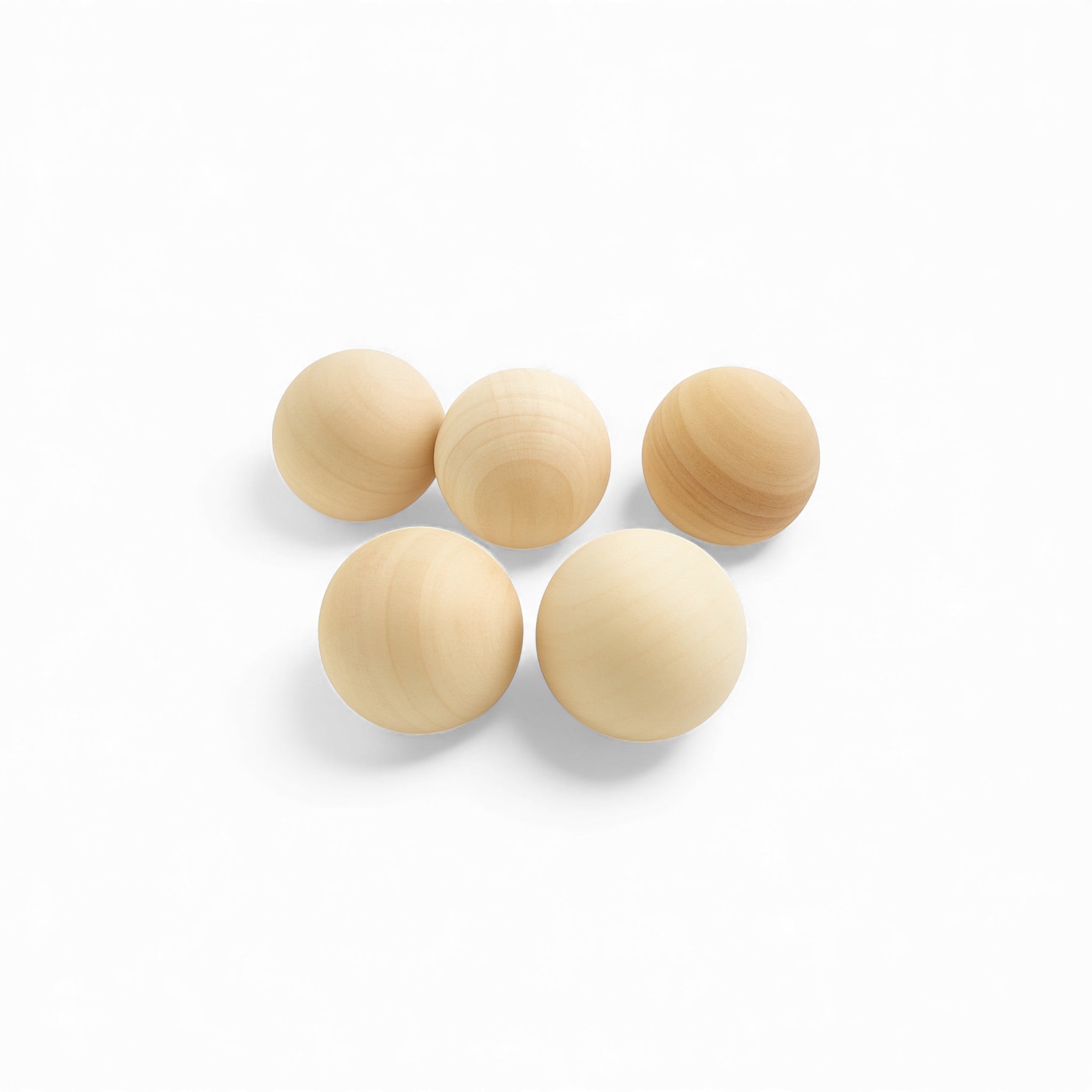
110 mm 8 Bocce Ball Set Bundle

Best for: the accessible backyard bundle that works identically for left-handed and right-handed players.
Common concerns from new left-handed players tend to cluster around three questions, all of which have short answers. First, no special balls are required, and no southpaw-specific product line exists. Second, throws will curve in the mirror direction of a right-handed player, and the curve is normal and manageable. Third, no tournament rule or format penalizes left-handed play. Broader coverage of handedness in recreational sports in Britannica's entry on bocce and the equipment reviews published by Wirecutter both confirm that no equipment disadvantage exists for southpaw players.
Kids and family sets work the same way. A left-handed child learns bocce with the same 73 mm metal petanque balls a right-handed sibling would use. Introducing the sport with a smaller ball early lets the throw motion settle before the child moves up to a full 107 mm regulation set later. For age-appropriate options see our Best Bocce Sets for Kids and Family guide.
Building the daily throw motion asks the same investment from both hands. Twenty minutes of practice a day, focused on grip, release, and follow-through, produces steady improvement inside of a month. Player-level coverage of that progression lives in our Bocce Tips for Beginners guide.
Why Buy Left-Hand-Friendly Bocce from BuyBocceBalls
Our set lineup serves left-handed and right-handed players from the same catalog because the sport asks for the same equipment from both. Every set ships from our US warehouse in one to two business days, and the color and bag options are broad enough that a southpaw looking for a distinctive set has real choices in the catalog. Our team is happy to help match a set to your hand size, playing surface, and intended use if you have questions before buying.
Frequently Asked Questions
Are there special bocce sets for left-handed players?
No. Standard bocce sets work identically for both handedness.
Do left-handed throws curve differently?
Yes slightly. Left-handers naturally impart left-to-right curve, right-handers curve right-to-left.
Are left-handed players disadvantaged?
No. All rules and equipment are universal.
What size ball for left-handed players?
Same as right-handed. 107 mm tournament, 110 mm backyard, 73 mm kids.
Do bag designs differ for lefties?
Symmetric two-handle bags work best for either hand.