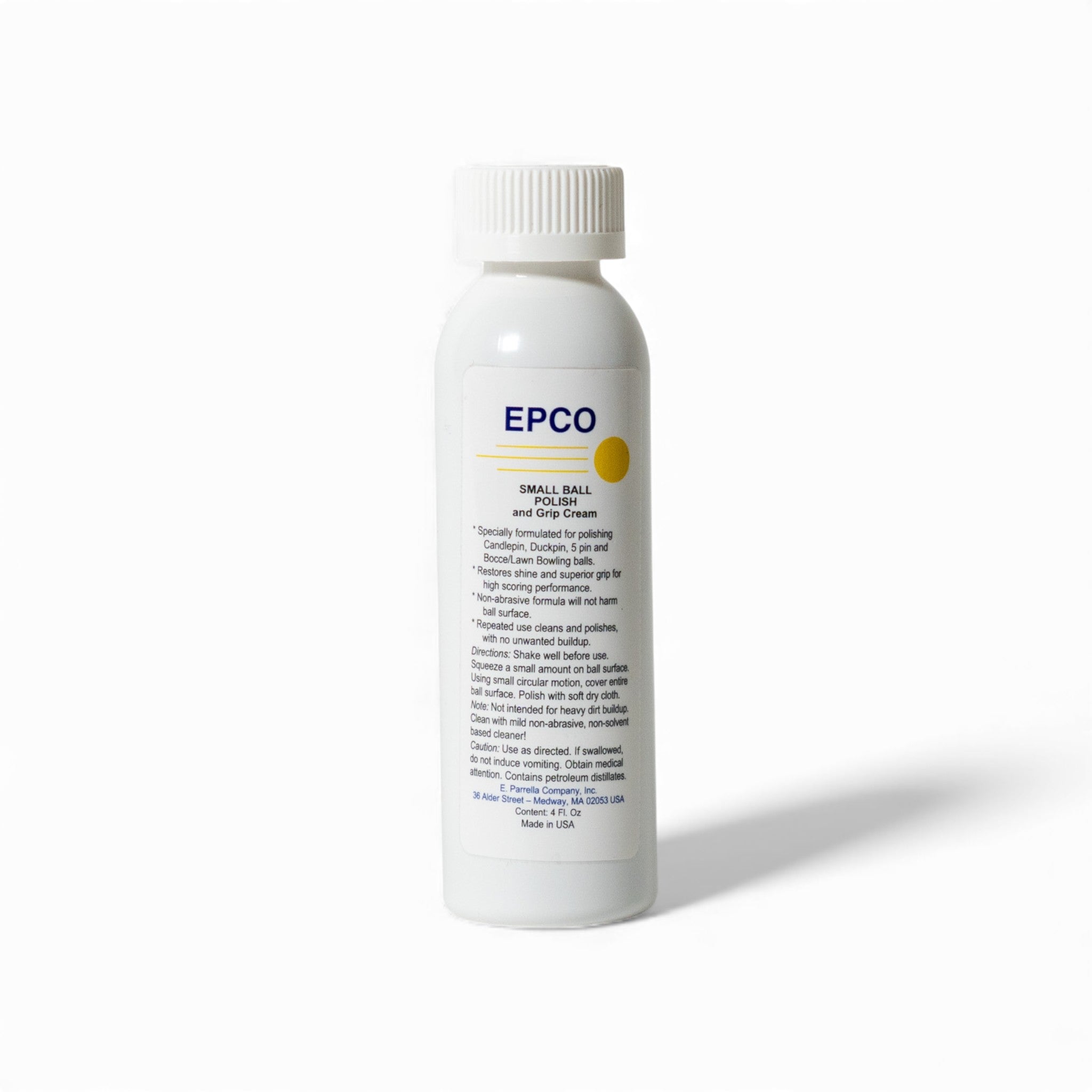
EPCO Ball Polish is the standard care product for tournament-grade resin bocce balls. A 4 oz bottle applied every dozen games keeps the factory finish and a true roll. Wipe the balls clean with a damp microfiber cloth first, apply a small amount of polish to a second cloth, and buff in slow circles until the resin shines. Casual grass-court players can polish once or twice a season; weekly clay or oyster-shell players should plan on every two or three weeks.
A tournament-grade 107mm set is a long-term investment. Bought today, a properly maintained EPCO set will still roll true twenty years from now. The catch is that dirt, clay residue, and grass stains gradually dull the resin surface and change how the balls behave on the court. The 107mm size and roughly 920 gram weight specified by the Federazione Italiana Bocce only matter if the surface that contacts the court stays consistent, which is what regular polishing protects.
Key Takeaways
- EPCO Ball Polish, sold in 4 oz bottles, is formulated for resin tournament balls and is the standard care product used by US clubs.
- For weekly clay or oyster-shell play, polish every dozen games or about every three weeks; for monthly backyard grass play, polishing once or twice a year is enough.
- A damp microfiber cloth handles routine after-game cleaning; reach for polish only when the resin has lost its sheen or the balls feel grippy.
- Store polished balls in a padded bocce bag away from direct sun and freezing temperatures, since UV and extreme cold both shorten resin lifespan.
- Replace the pallino as it wears or goes missing; a scuffed or mismatched pallino throws off targeting and makes polish work on the eight balls feel pointless.
When to polish bocce balls (and when not to)
Polish belongs in the routine, not the daily checklist. A new resin set rolls true straight out of the box, and the factory finish on EPCO 107mm or 110mm balls is durable enough to survive several months of play without intervention. Applied too often, polish builds up a thin film that can actually feel grippy underhand, which is the opposite of what you want.
The trigger to polish is sensory: pick up a ball after a game and look for a dull haze on the resin or a faint stick when you turn it in your hand. If the surface still mirrors the patio light overhead, skip the polish and just wipe with a damp cloth. The United States Bocce Federation publishes equipment guidance for member clubs that frames polish as a periodic maintenance step rather than an after-every-game routine.
Surface drives frequency. Grass courts dull the resin slowly because the contact is soft and the soil rarely sticks. Clay and oyster-shell courts dull resin faster because the surface compound leaves micro-deposits on each pass. Dirt or sand backyards land in between. Match polish frequency to your most common surface.
How to polish bocce balls properly
The actual process takes about ten minutes for a full eight-ball set. You need the polish, two clean microfiber cloths (one damp, one dry), and a flat surface like a kitchen counter or workbench.
Wipe each ball clean with the damp microfiber first to lift grass, clay, or dust from the resin. Apply a coin-sized amount of polish to the dry microfiber, then work it into the ball in slow circular passes for thirty to forty-five seconds. Buff with the clean side of the same cloth until the haze lifts and the resin glosses up. Move to the next ball and repeat. Save the pallino for last because it shows fingerprints fastest.
Avoid two common shortcuts. Do not spray polish directly onto the ball, which leaves uneven coverage. Do not use household furniture polish or car wax, since the chemistry can react with the resin formulation and leave a tacky residue. EPCO makes the polish for its own resin, so the match is engineered.
Routine care between polishes
The single most useful habit is a quick wipe-down after every game with a slightly damp microfiber. This pulls fresh soil off before it dries into the surface texture. Five seconds per ball times eight balls is forty seconds, which is short enough to become automatic at the end of a session.
Pallinos take more abuse than the eight scoring balls because they get hit more often, kicked along the court, and dragged into longer grass when they roll past the playing area. Keep a replacement pack on hand. Mixed-color packs are particularly useful because pallino visibility changes by surface: yellow against green grass, white on clay, red against snow for winter play.
Resin balls can chip if dropped on a concrete patio or thrown into a hard wall. The damage is usually cosmetic, but a chipped ball will lose its true roll. Inspect the set every few months under bright light and rotate any chipped ball into the practice rotation rather than tournament play. Coverage in Outside Magazine and elsewhere notes that the global revival of bocce and pétanque has been driven partly by how durable a quality set actually is when cared for properly.
Storage and seasonal care
Where you put the set between games matters more than most players realize. Resin is sensitive to two things: ultraviolet light and freeze-thaw cycles. Leaving a set on a sunny porch for a full summer can yellow the lighter colors and faintly cloud the finish. Leaving it in an unheated garage through a northern winter can micro-stress the resin if the temperature swings repeatedly across freezing.
A padded bocce bag handles both problems. The opaque material blocks UV, the padded dividers cushion the balls in transit, and the closed shape keeps them away from dust between sessions. Pick a bag with reinforced handles since a full 107mm set weighs roughly seven and a half kilograms (about 16.5 pounds) before the bag itself. For broader background on the sport and how it is played, Encyclopedia Britannica's bocce entry covers the history and the modern variants.
Indoor storage is best: a closet, hall cabinet, or shelf in a finished basement. If you must keep the set in a garage, choose an interior wall away from the door (less freeze exposure) and check on it every couple of months. See our companion guides to bocce court surfaces and indoor versus outdoor courts for how storage fits into the bigger picture.
Top polish and care picks
1. EPCO Ball Polish (4 oz)

Best for: any household with an EPCO 107mm or 110mm set, polishing every few weeks.
This is the workhorse single bottle. EPCO formulates the polish for the same resin used in its tournament balls, so the chemistry matches and you avoid the tacky residue some generic polishes leave. A 4 oz bottle covers a typical year of monthly backyard play. Pair it with a clean microfiber cloth and a flat workbench, and a full set takes about ten minutes. Read more on the EPCO Ball Polish page.
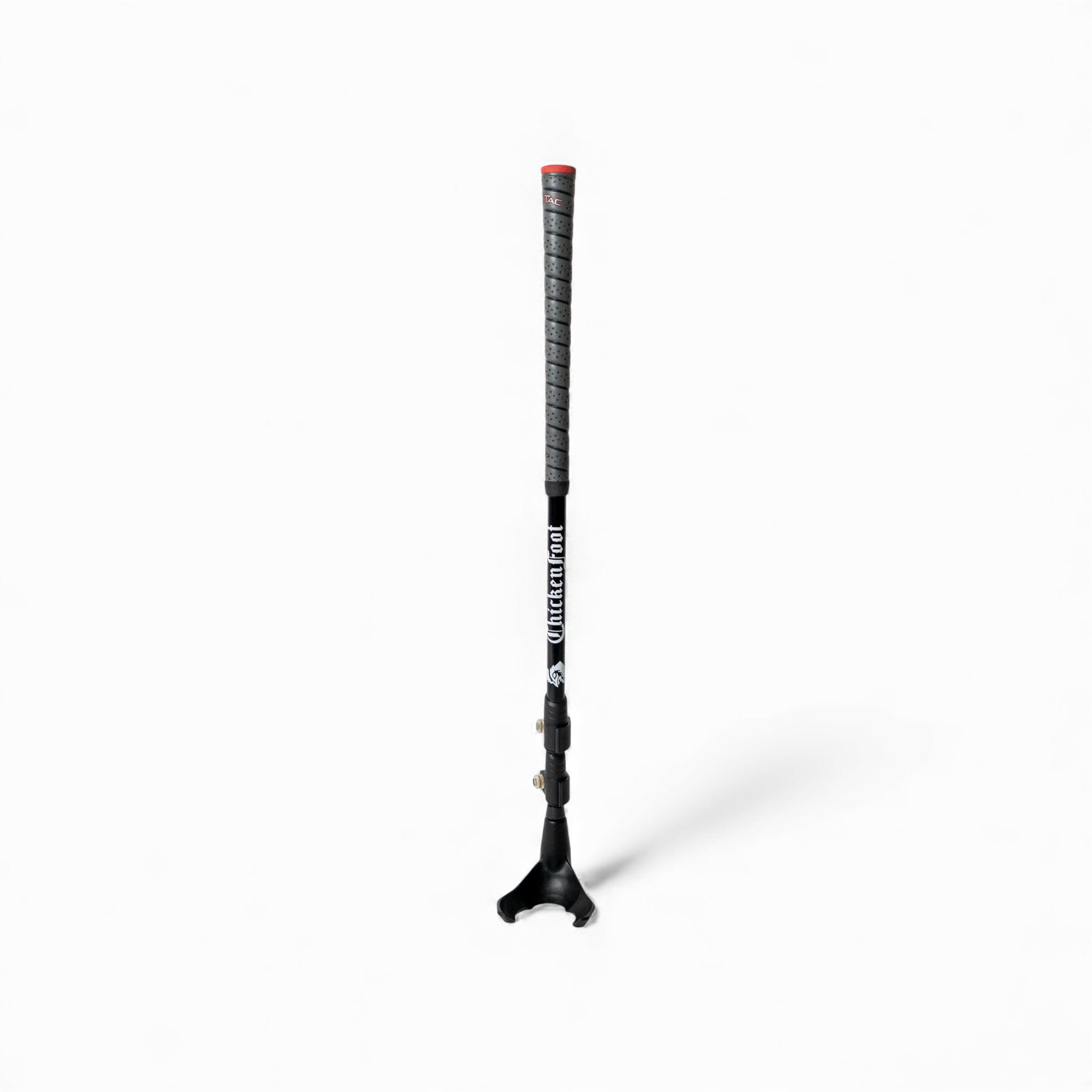
2. Chicken Foot Ball Picker-Upper

Best for: players who polish often and want to keep finished balls from getting dinged during retrieval.
Care of the ball goes beyond polish. Every dropped ball, every drag across rough stone dust, and every bend-and-grab between frames is a chance to nick the resin and undo the work. The Chicken Foot is a long-handled retriever that lifts a 107mm or 110mm ball off the court without flexing your back or scraping the polished surface. At $175 it is the splurge pick in the care category, and the one that compounds the value of a freshly polished set across a full season. The Chicken Foot Ball Picker-Upper is also a popular gift for older bocce players who keep playing past the point where bending is comfortable.
3. Burgundy and Green Bocce Ball Bag

Best for: players who own a polished set and want UV-protected, padded storage between games.
A bag belongs in any polish and care conversation because storage decides whether your polish work survives a season. The padded interior cushions a full 107mm 8-ball set plus pallino, the closed shape blocks UV and dust, and the reinforced handles distribute the carry weight when you bring the set to a park or club court. The burgundy and green colorway is a less common pick that pairs well with traditional EPCO colorways. See our wider roundup of bocce bags for other configurations.
Why buy from BuyBocceBalls
BuyBocceBalls is a US specialty retailer focused on bocce, not a general sporting goods catalog. We carry EPCO Ball Polish in single bottles and three-packs, the full EPCO tournament ball line in dozens of colorways, regulation 51mm and 57mm pallinos, padded bocce bags in over a dozen colors, and the court tools backyard owners actually use. Shipping is from US warehouses, customer support is staffed by people who play the sport, and the catalog is curated rather than exhaustive.
For a complete view of what you might add to your set over time, browse the full accessories collection, or read our overview of essential bocce accessories to see where polish fits in the rest of the buying journey.
Frequently asked questions
How often should I polish my bocce balls?
Match the frequency to your court. For weekly clay or oyster-shell play, polish every dozen games or about every three weeks. For monthly backyard grass play, once or twice a season is enough. A damp microfiber wipe after every session handles routine cleaning between polishes.
Can I use furniture polish or car wax on bocce balls?
No. Household furniture polish and car wax are formulated for wood and painted metal surfaces, and the chemistry can react with bocce resin to leave a tacky or hazy residue. EPCO Ball Polish is engineered for the same resin EPCO uses in its tournament balls, which is why it is the standard product US clubs use.
How do I clean grass stains off bocce balls?
Most fresh grass stains lift with a damp microfiber cloth used right after the game. Older stains usually come off when you apply a small amount of bocce polish to a dry cloth and buff the area in slow circles. Avoid scouring pads or abrasive cleaners, which can micro-scratch the resin surface and dull the roll.
Do mass-market plastic bocce sets need polish?
Generally no. Plastic and composite bocce sets from mass-market brands are usually finished with a sealed coating that polish does not bond well with, and the lower price point means most owners replace the set rather than maintain it. Polish makes the most sense for tournament-grade resin sets that are built to last twenty years or more.
How long does a bottle of EPCO Ball Polish last?
A 4 oz bottle covers roughly a year of monthly backyard play for one household. Weekly league players or club owners go through a bottle in about three to four months. The pack-of-three is sized to cover a full season for active leagues.