A bocce measuring device is a small caliper or extendable rod used to read the distance from a bocce ball to the pallino when a frame is too close to judge by eye. The four common types are simple string or tape, a fixed bocce ruler, a retractable extendable rod, and a Kestrel-style pivoting caliper, with prices from about $5 for a basic ruler to $40 for a tournament-grade Kestrel tool. Anyone who plays bocce more than a few times a year needs one, because every frame is decided in millimeters of difference, not by anyone's guess.
Bocce has been governed internationally for over a century, and the rule books published by the Federazione Italiana Bocce and the United States Bocce Federation treat measurement as part of normal frame resolution, not a special procedure. The closest-ball-wins rule is the entire scoring engine of the sport, as Encyclopedia Britannica's bocce entry lays out plainly. If your group has ever stopped a game to argue about who was closer, you have already met the case for owning a measuring tool.
Key Takeaways
- Bocce decides every frame by which team's ball is closest to the pallino, so any close finish requires a tape or caliper to settle objectively.
- A basic retractable extendable rod reads from 0 to about 60 centimeters in one motion and costs around $20 from BuyBocceBalls.
- A Kestrel-style pivoting caliper is the tournament standard because the two arms align against the ball and the pallino at the same moment.
- Clubs and leagues that referee multiple courts on the same day usually buy 3-packs so every lane has its own tool.
- Phone laser apps are unreliable on grass, clay, and oyster-shell because the surface scatters the beam, so mechanical tools remain the rules-recognized standard.
Why a measuring device matters
The rule that decides every bocce frame is the same in backyard play and international tournaments. Only the team whose ball is closest to the pallino scores, and they score one point for every ball of theirs closer than the nearest opposing ball. That last clause is where measurement matters. A call between your team's second ball and your opponent's nearest ball can sit a millimeter apart, and that single read decides whether you score one point or four.
USBF tournament rules and FIB international rules both contemplate the same workflow when a call is too close to read by eye. The closer team appoints one player or referee, who measures both contested distances using a tool present on the court. If the two distances cannot be distinguished by the tool, the frame is declared tied and no points are scored. According to the rules summary maintained by the United States Bocce Federation, the measurement step is the player's responsibility, not an optional add-on.
The four types of bocce measuring tools
Most measuring tools fall into one of four categories. Backyard players usually start with a household tape and graduate over time, while clubs and tournament players tend to skip the first two and go straight to a Kestrel-style caliper.
String, household tape, or basic ruler
The cheapest tool in this category is a piece of string and a five-dollar 25-foot tape measure from any hardware store. It works, technically. The problem is that the moment you set the string against the pallino, you have to walk around to the contested ball, and on grass and clay any pressure from your shoes can move either ball. Tape measures have the same problem on top of being clumsy at short distances. For one or two casual games a summer, fine. For anything else, the tool is the bottleneck.
Fixed bocce ruler
A fixed bocce ruler is a thin metal stick about a foot long, marked in millimeters, with notched ends shaped to butt against the surface of a ball. It is faster than a tape measure because you can lay it flat in one motion. The drawback is reach. Most fixed rulers max out around 30 centimeters, which is enough for very close calls but useless when the contested ball is half a court away from the pallino.
Retractable extendable rod
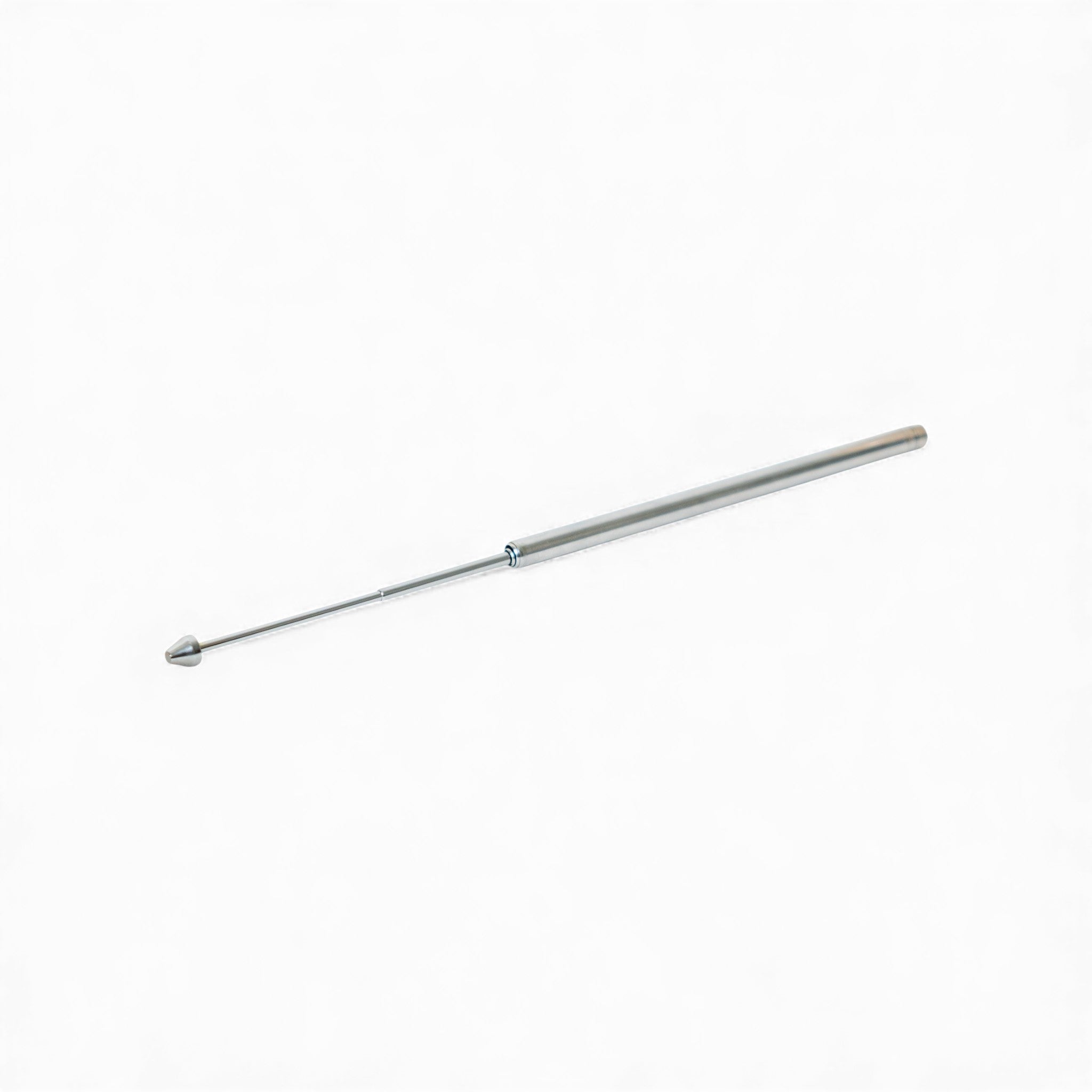
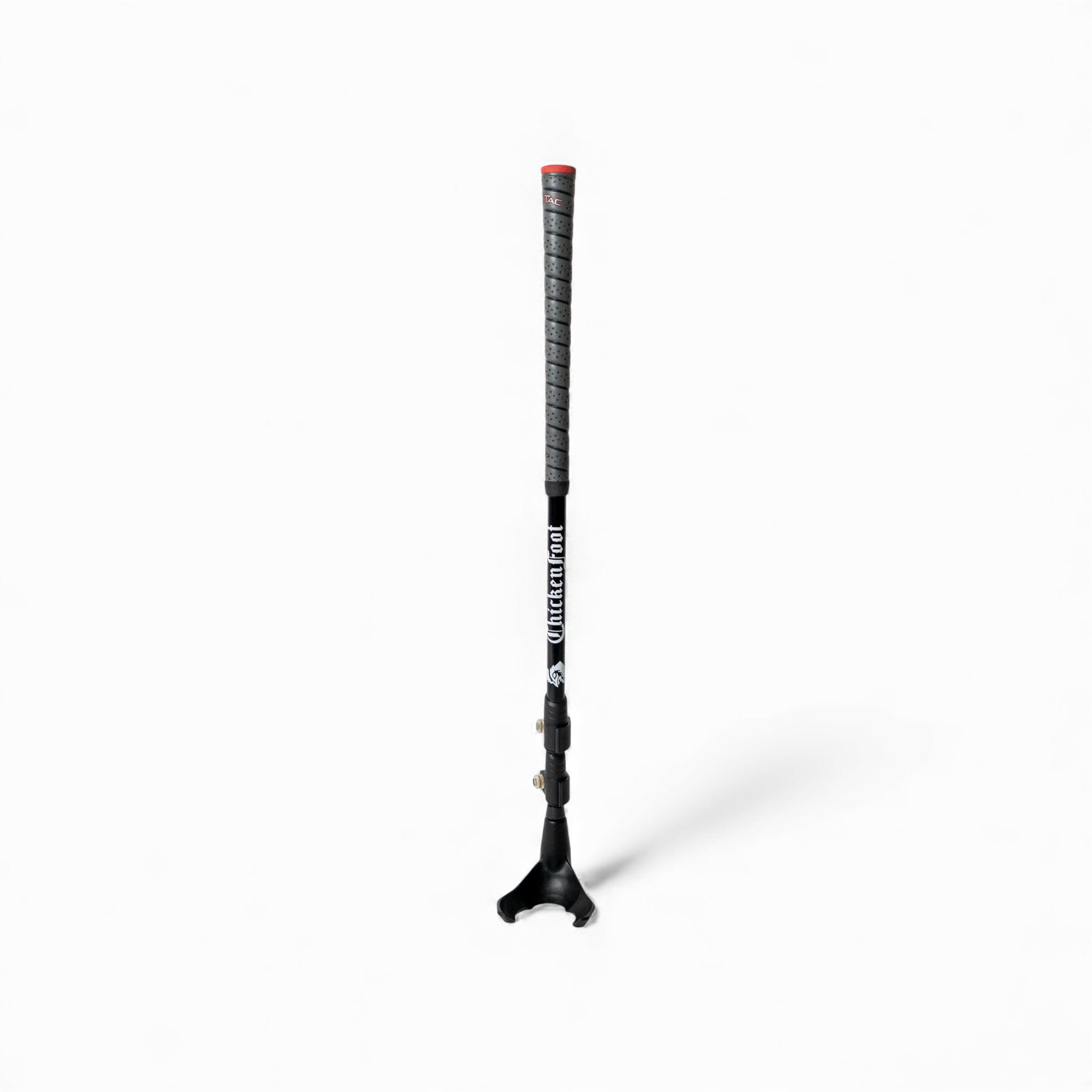
This is the most popular backyard upgrade. An extendable rod is a telescoping shaft, retracted to fit in a pocket, with a notched plate at the head designed to register against the curve of a regulation bocce ball. You extend the rod from the pallino to the contested ball, lock it, and read the marked scale. The extendable design pairs the reach of a tape with the speed of a fixed ruler. For most home courts this is the practical sweet spot.
Kestrel-style pivoting caliper
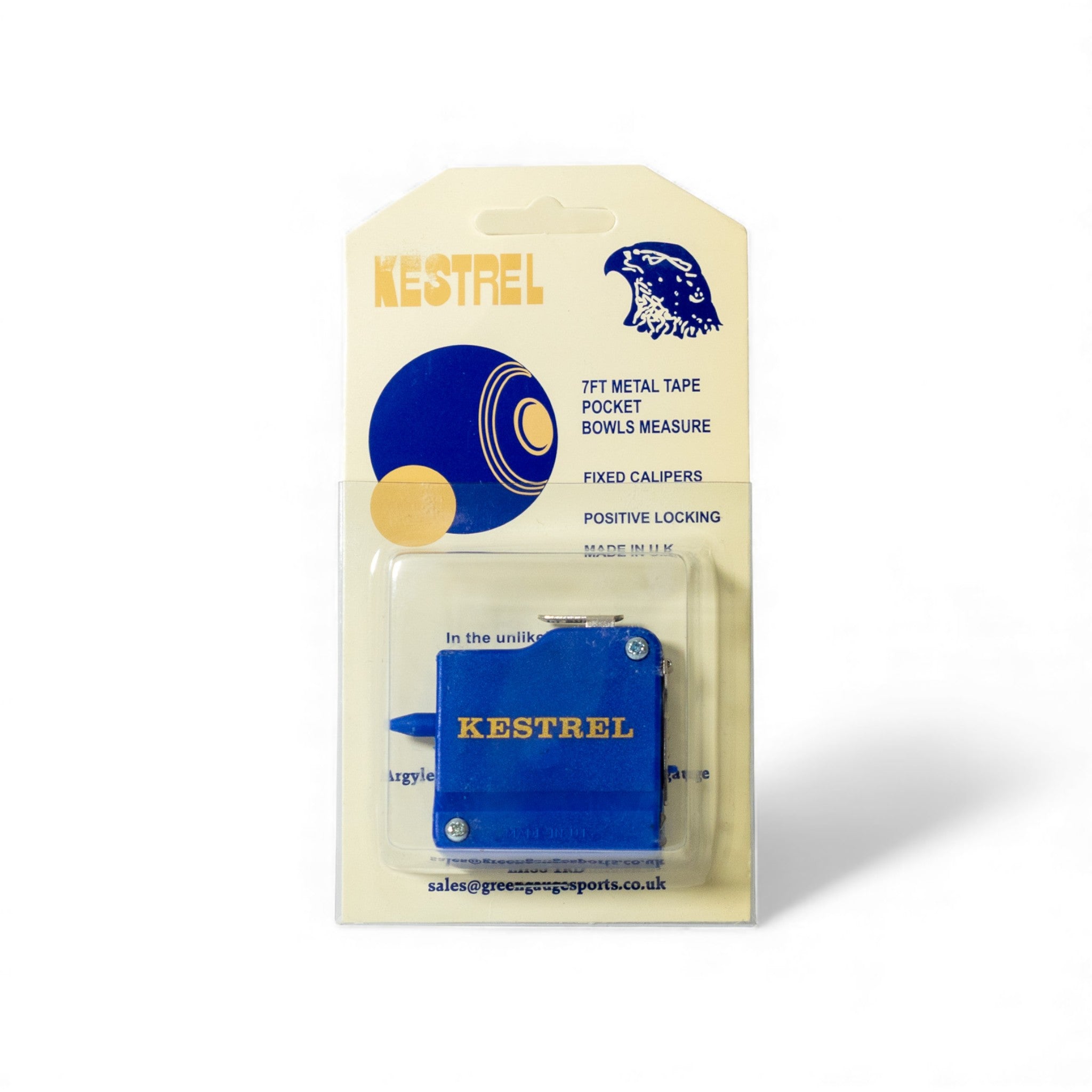
The Kestrel tool is the tournament standard. It is a two-arm caliper with a sliding mechanism that pivots and locks. The shorter arm is held against the pallino while the longer arm extends to the contested ball, and the geometry of the pivot reads off the difference in distance to two contested balls at once. Players measure first against one ball, lock the position, then swing the arm to the other contested ball without resetting the zero point. Officials at international boules events use a similar design, and US clubs that host sanctioned tournaments standardize on it.
What FIB and USBF rules actually say
The international bocce rule book published by the FIB and the tournament rules maintained by the United States Bocce Federation both specify the closest-ball scoring engine and treat measurement as part of normal frame resolution. The rules do not require a specific brand or model. They do require that the measurement be objective, repeatable, and visible to both teams. In practice that means any of the tools above qualifies. A phone screen reading does not, because the result cannot be re-verified by the opposing team without handing the device over and trusting the on-screen number.
Bocce sits inside the boules family of sports tracked by the Olympics sports directory, and at the World Games and continental tournaments a Kestrel-style caliper is the tool on every court. Outside Magazine has covered the broader pattern in other lawn sports where simple mechanical tools outlast phone-based replacements.
Recommended bocce measuring devices
The three picks below cover the realistic range of buyer needs, from a casual home court to a club hosting league nights. All three ship from US warehouses.
1. Kestrel Measuring Device

Best for: tournament-grade and league players who want the standard tool.
The Kestrel pivoting caliper is the tool you will see at most USBF-sanctioned tournaments and at serious club nights. The two-arm pivot design measures both contested balls without resetting, which is the single biggest practical advantage over an extendable rod when a frame produces two close calls instead of one. At $40, it is also the most durable tool in the category. See the Kestrel Measuring Device for the standard single-tool listing.
2. Extendable Measuring Device

Best for: backyard players and weekend bocce hosts who want one tool that lives in the bag.
This is the practical upgrade from a kitchen tape measure. The telescoping shaft extends to read distances out to about 60 centimeters and retracts to fit inside a bocce bag pocket, so it never gets left at home. The notched head is shaped to register against the curve of a regulation 107mm bocce ball, which keeps the reading consistent from one frame to the next. At $20, it is the right tool for a home court that hosts a few games a month. See the Extendable Measuring Device for the single-unit listing.
3. Bocce Rule Book: Official Open Rules

Best for: league captains and tournament directors who want the written rules backing every close call.
A measuring device resolves the geometry. The rule book resolves the dispute. The Bocce Rule Book documents the official open rules used at most North American sanctioned events, including the exact measurement procedure, the order of priority when more than two balls cluster near the pallino, and the tie-break sequence. At $15 it is the cheapest piece of league equipment you can own and the one that ends arguments fastest. Keep the Bocce Rule Book in the same bag as the measuring device.
How to measure a close frame in 30 seconds
The actual procedure is short. First, ask the opposing captain to confirm that the call is close enough to need a tool, which prevents disputes after the read. Second, place the tool against the pallino without touching either ball. Third, extend or pivot the tool to the suspected nearest ball, lock the position, and read off the scale. Fourth, repeat against the opposing nearest ball using the same starting position. The smaller reading is closer, and that team scores.
Two rules of thumb hold across every recognized rule set. Always measure to the surface of the ball, never to its center; the rule book is consistent on this. If the two readings are within a millimeter of each other, declare the frame tied; the FIB tie convention is well established at international play.
Why buy from BuyBocceBalls
BuyBocceBalls is a US specialty retailer for bocce. We stock the Kestrel and extendable measuring devices in singles and 3-packs, ship from US warehouses (so a single tool arrives in days), and provide customer support staffed by people who play the sport. The full measuring devices collection sits alongside our accessories collection. If you are still putting together a court kit, our essential bocce accessories guide covers the bag, pallino, and polish purchases that usually come before a measuring tool, and the bocce scoreboards buying guide covers the other tournament-day tool most clubs want.
Frequently asked questions
Do you actually need a measuring device for backyard bocce?
You can play without one until a frame finishes too close to call. For most backyard groups, that happens at least once an hour of play. A $20 extendable rod ends the recurring argument and pays for itself the first time it settles a close frame in a one-point game.
What is the difference between an extendable rod and a Kestrel caliper?
An extendable rod measures one distance at a time and needs to be reset for the second contested ball. A Kestrel caliper measures two contested balls without resetting, using a pivoting arm. The Kestrel is faster for tournament play; the extendable rod is cheaper and small enough to live in a bocce bag.
How accurate are phone-based laser apps for bocce measurement?
Not accurate enough for league play. Phone laser apps lose precision on grass, clay, and oyster-shell surfaces because the beam scatters off textured ground. They also fail the rules-compliance test that the measurement be visible to both teams, since only one player can see the screen. Mechanical tools remain the standard at every USBF-sanctioned event.
Can you measure a bocce frame using just a tape measure?
Yes, but slowly and with risk of moving the balls. A retractable tape measure works for casual play if you anchor one end against the pallino with one hand and read the distance against the contested ball with the other. The dedicated tools are faster and less likely to disturb the surface during the read.
How much should a club spend on measuring devices?
Plan on one Kestrel-style caliper per active court, plus one spare. For a three-court club that translates to a 3-pack plus one extra, or about $140 total. Singles and packs are interchangeable for ordering; clubs usually buy the 3-pack for the simpler shipping.