A bocce league turns a handful of friends into a season-long social tradition. The captain holds it together. The job covers scheduling, rules adjudication, equipment management, scoring, communication, and the occasional season-ending dinner. This pillar guide is the playbook for bocce league captains in 2026. The sections below cover the major decisions and link out to the dedicated guides for the topics that need more depth.
Key Takeaways
- A typical league runs 8 to 12 weeks of regular play plus a championship round.
- Standard league formats are doubles (2v2) and quads (4v4).
- League equipment investment runs $800 to $2,500 for a complete setup.
- USBF-aligned scoring works for most casual leagues without modification.
- Communication tools (email, SMS, league apps) keep the schedule on track.
Step One: Decide the Format
The format is the foundation. Bocce leagues run in four common formats. Singles is one-on-one. Doubles is 2v2 (the most common league format). Triples is 3v3. Quads is 4v4 (popular at clubs with built courts). For complete coverage of each format see our Bocce Tournament Formats Guide. Most new leagues start with doubles because it scales easily from 4 to 32 players without needing a perfectly even number.
Step Two: Set the Scoring Rules
Most US leagues run the standard scoring system covered in our How to Score in Bocce guide. The team closest to the pallino at the end of a frame scores one point per ball closer than the closest opposing ball. Games run to 12, 15, or 21 points depending on league preference. For complete coverage of scoring variants including Open Rules and Volo see our Bocce Scoring Rules and Variants Guide. The United States Bocce Federation rulebook is the standard reference for league play.
Step Three: Build the Schedule
Most leagues run 8 to 12 weeks of regular play. Schedule one match per week per team, with each team playing every other team once (round robin). For a 6-team league this produces 5 weeks of regular play. Larger leagues can extend to 10 to 12 weeks by playing each opponent twice. Add a one-week championship round at the end. Schedule make-up dates for rainouts. Coverage of bocce in Britannica's entry on the game traces the long tradition of season-long league play.
Step Four: Source the Equipment
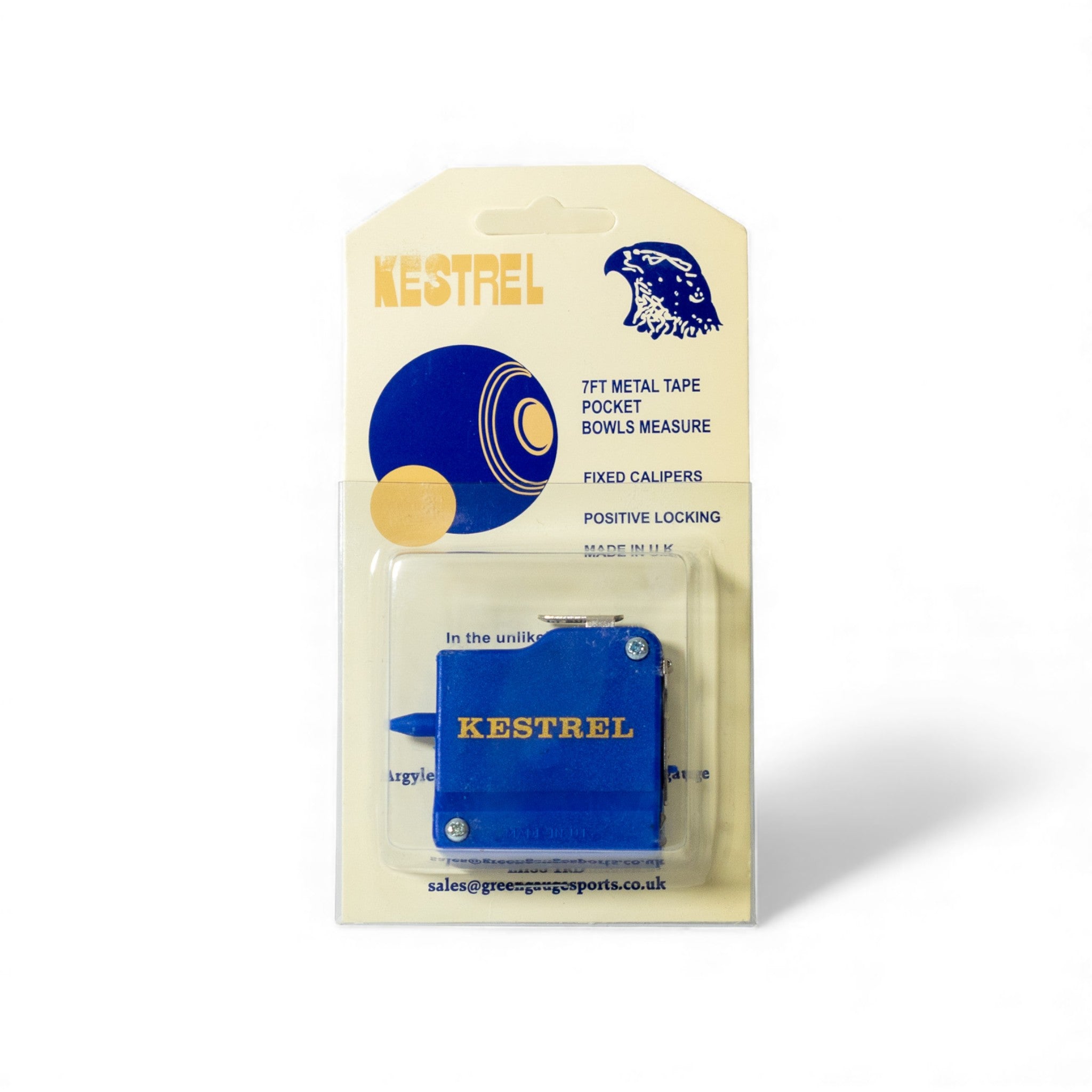
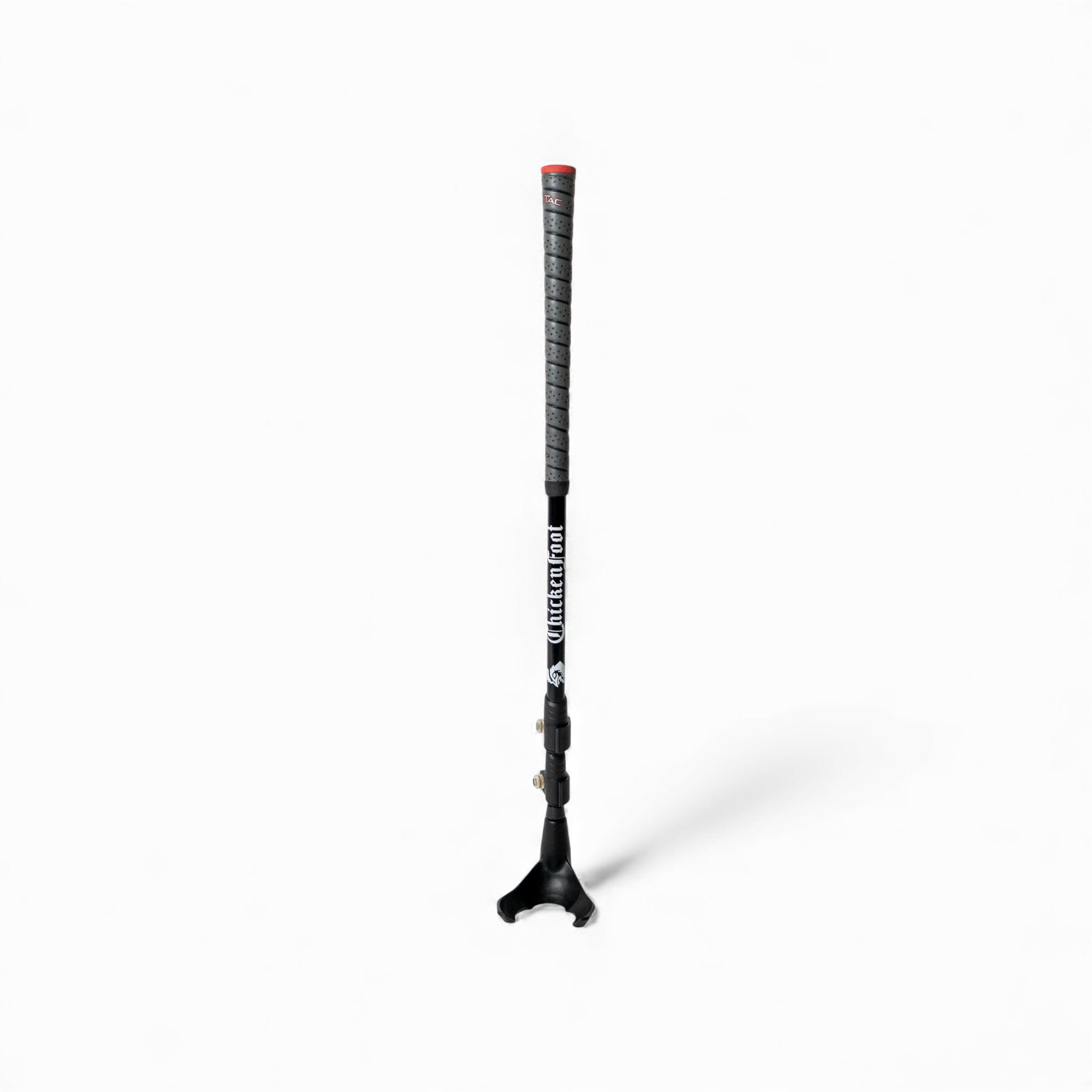
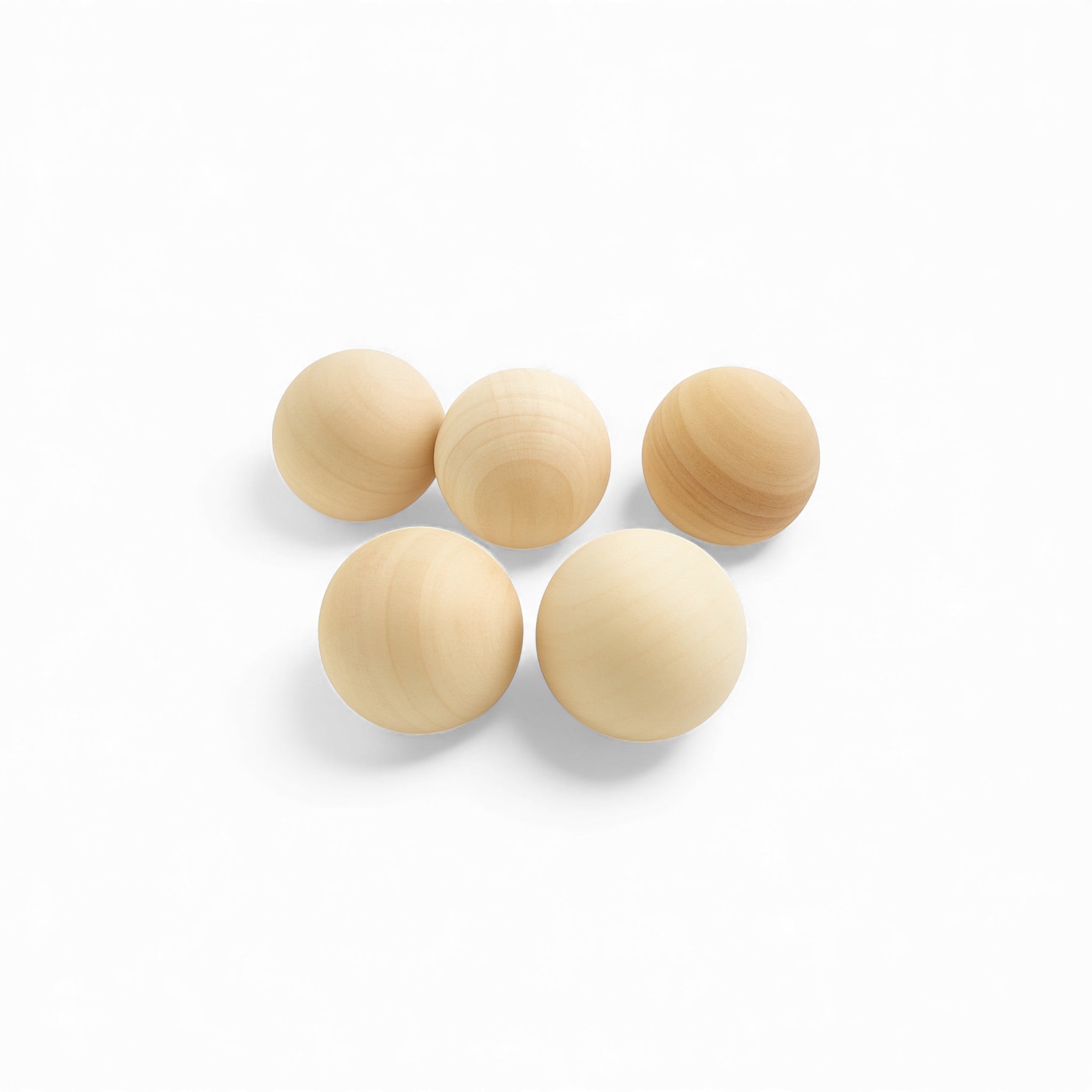
League equipment runs $800 to $2,500 for a complete setup. The core kit includes two contrasting bocce ball sets (one per team color), a drag brush, a scoreboard, a measuring device, and replacement pallinos. For complete equipment coverage see our Complete Bocce Court Kit Checklist.
EPCO 107 mm Black and White Tournament Set

Best for: the standard league set used at most US sanctioned and casual league play. Phenolic resin construction, FIB and USBF recognized.
Step Five: Set Up the Court
Most leagues either use an existing court (cultural club, brewery, community center) or share access to a backyard. For courts built fresh for a league, our Complete Bocce Court Construction Guide covers the full process. For courts already in place, the captain's job is making sure the court is prepped before match nights (dragged, watered if clay, dry if recently rained).
Step Six: Communication Stack
League communication runs on email, SMS, or a shared chat app. A simple email distribution list works for most leagues. For larger leagues (20+ players), shared chat apps or a dedicated league management tool reduces the captain's workload. Send weekly match reminders the day before each match.
Step Seven: Handle Adjudication
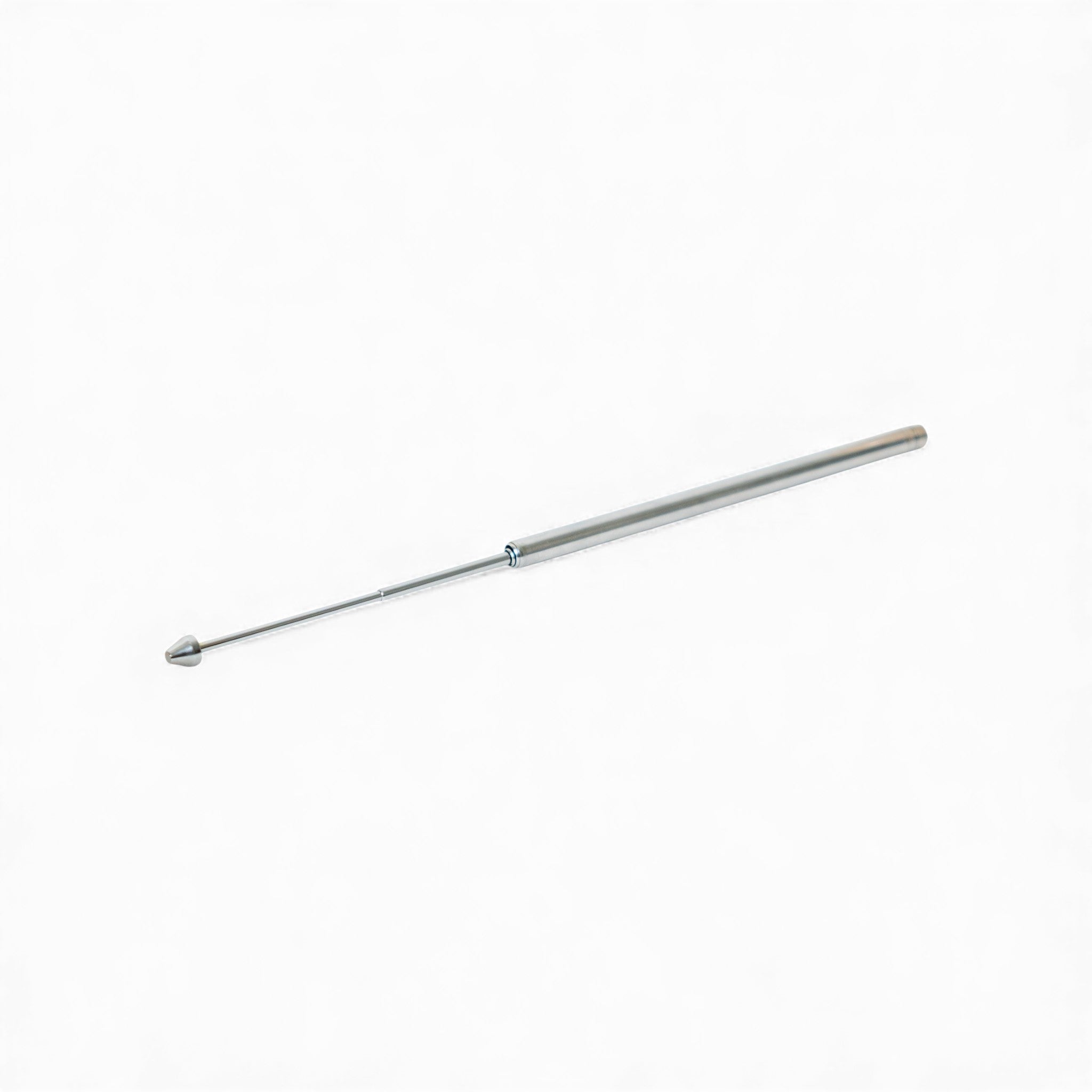
The captain is the rules referee for any in-play dispute. Most disputes resolve with a measuring device for close frames and a scoring restatement for procedural questions. Keep a copy of the league's adopted rules accessible (printed or on phone) for reference during matches.
Extendable Measuring Device

Best for: close-frame resolution at every league night. Telescoping format fits in any bocce bag.
Step Eight: Track the Standings
League standings rely on simple win-loss records plus point differential as a tiebreaker. A printable bracket or shared spreadsheet handles the bookkeeping. Update after each match night. Display standings before each new week to maintain competitive interest.
Step Nine: Plan the Championship
Most leagues end with a single-elimination championship round. The top 4 or 8 teams play seeded brackets. The final is best-of-three matches. Plan for a small prize (trophy, plaque, gift card) for the league winner. Wirecutter coverage of community sports leagues consistently positions a real prize as the difference between a league that continues season after season and one that fizzles.
Step Ten: Plan the Season Wrap
The post-championship social event is what brings players back next year. A simple dinner at a member's house, a brewery the league has been playing at, or a restaurant near the court all work. Recognize the champion, thank the captain, set the date for next year.
For Sanctioned Tournament Play
Leagues that want to compete at sanctioned tournaments need to align with Federazione Italiana Bocce and USBF rules. The equipment standard rises to regulation 107 mm phenolic resin sets, the scoring rules tighten to standard tournament play, and the court setup needs to meet regulation dimensions.
Commercial Venue League Considerations
Restaurants and breweries hosting leagues add a business dimension to the captain's job. Coordination with the venue on match nights, equipment storage between matches, and player food and beverage logistics all enter the picture. For the commercial venue angle see Bocce Courts for Restaurants and Breweries.
Why Source League Equipment from BuyBocceBalls
We carry the full range of league equipment from regulation tournament sets through complete maintenance kits. Every set ships from our US warehouse in one to two business days. For league captains placing bulk orders, we can advise on configurations and bulk pricing for engraved team sets, trophy pallinos, and accessories.
Frequently Asked Questions
How do I start a bocce league?
Pick a format (most start with doubles), recruit 4 to 12 teams, set a schedule of 8 to 12 weeks, source equipment, and plan a championship round.
How many players do I need for a bocce league?
A minimum of 8 players (4 teams of 2 in doubles format). Most leagues run 12 to 32 players.
What equipment does a bocce league need?
Two contrasting ball sets, drag brush, scoreboard, measuring device, and replacement pallinos. Budget $800 to $2,500 for a complete league kit.
How long is a bocce league season?
8 to 12 weeks of regular play plus a championship round.
What rules do US bocce leagues use?
Most leagues align with USBF rules. Standard scoring with games to 12, 15, or 21 points works for casual leagues without modification.