The easiest backyard bocce tournament format is 8 teams of 2 players each, single-elimination, games to 12 points. With one regulation 107mm 8-ball set, one scoreboard, one extendable measuring device, and the official rule book on the table for disputes, a tournament finishes in 4 hours including a beer break between rounds. The hosting work is mostly logistical: a bracket on paper, a court that drains well, food set up away from the throwing area, and someone designated to handle close-call frames.
Backyard bocce tournaments work for graduation parties, summer cookouts, work team-building events, and family reunions. The format scales from 4 teams (one round) to 16 teams (two days). The key constraint is the court: you need one regulation strip, ideally 60 to 76 feet long and 8 to 12 feet wide, on a relatively flat surface. According to the United States Bocce Federation, the USBF Open Rules used in this guide are the standard for North American sanctioned league play and translate cleanly to backyard tournament use.
Key Takeaways
- 8 teams of 2 players each, single-elimination, games to 12 points fits in a 4-hour Saturday afternoon.
- Equipment minimum: one 107mm regulation set, one scoreboard, one measuring device, one rule book.
- Court footprint: 12 ft by 76 ft regulation or 8 ft by 50 ft backyard variant.
- Run a 3-round single-elimination bracket: quarterfinals, semifinals, final.
- Allow 30 to 45 minutes per match in the bracket schedule; build in a 20-minute beer-and-food break between rounds.
The bracket math
Single-elimination is the simplest format: each team plays until they lose. With 8 teams you get 7 total matches (4 quarterfinals, 2 semifinals, 1 final). At 30 to 45 minutes per match, the tournament wraps in roughly 4 hours including breaks. Round-robin formats give every team multiple matches but extend the day significantly; for backyard scale, single-elimination is usually the right pick.
For smaller groups (4 teams), single-elimination runs 3 matches in 90 minutes. For larger groups (16 teams), the bracket runs 15 matches over a two-day weekend or a single very long Saturday. Most backyard hosts settle at 8 teams. Pair-up format: invite by individual and pair people randomly at the start, or invite as preset two-person teams from the start. Random pairing makes for better social mixing; preset pairs make for more competitive play.
The rules quick-reference
Each match is played to 12 points (some tournaments use 15 or 21 , choose one and stick with it). One team throws the pallino to start; the closest team after both teams throw all their balls earns 1 point for every ball closer to the pallino than the other team's closest ball. Frames score 1 to 4 points; only one team scores per frame. The team that just scored throws the pallino next.
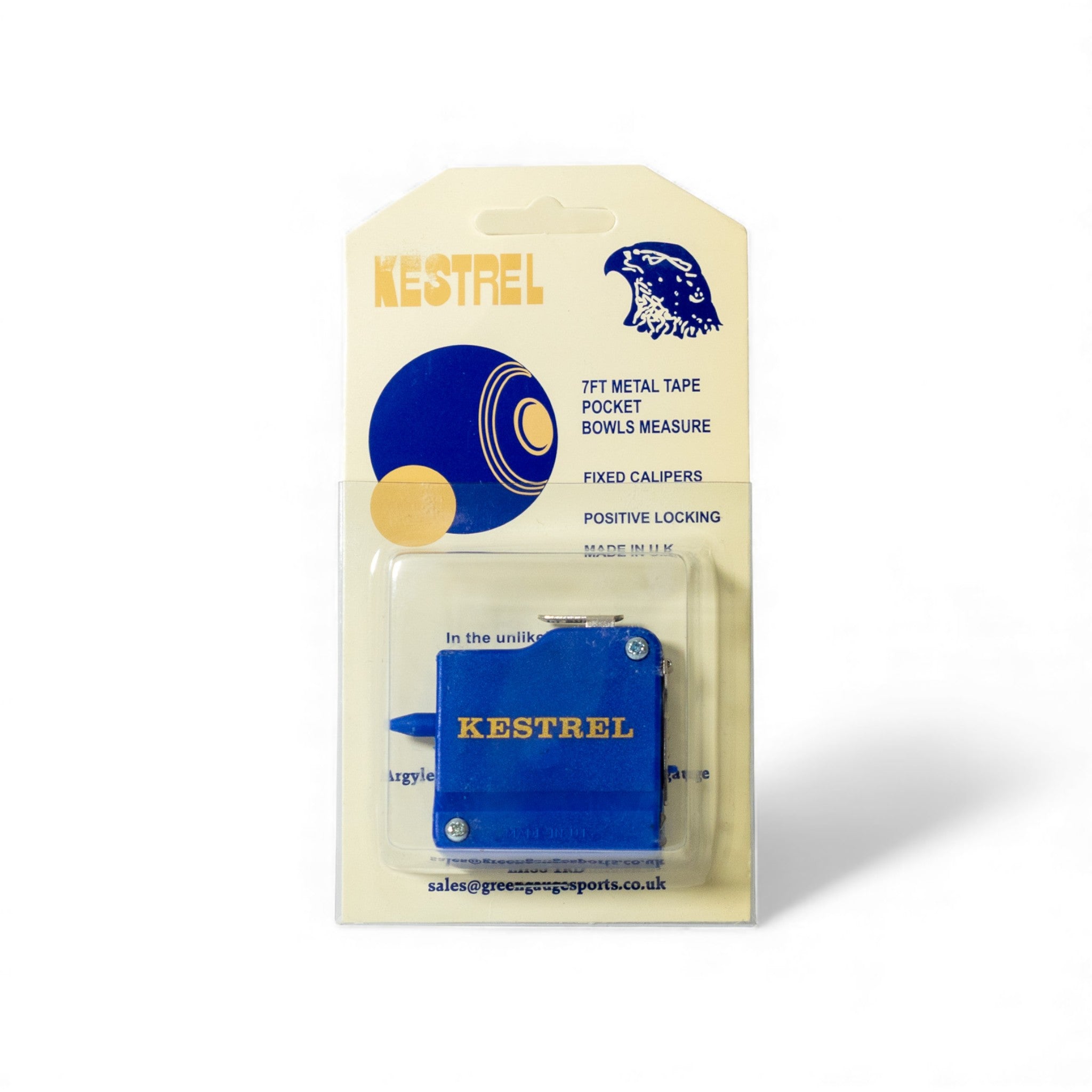
For close-call frames where two balls are visibly near the pallino, stop play, use the measuring device, and let both team captains read the result. Most disputes resolve by measuring; the rule book covers the edge cases (multiple balls at near-identical distances, pallino-knocked-off-court, etc.). According to the Federazione Italiana Bocce, the international raffa rules used in USBF play favor measurement over coin flips for any disputed frame.
Equipment checklist
1. Scoreboard

Best for: tracking the running point total across each match without arguing about whose head-count is right.
The Scoreboard at $260 counts to 21 on both sides, mounts on a fence or backboard, and reads cleanly from the far end of a regulation court. The single most important piece of tournament-hosting equipment because tracking the score in your head fails after the third match and on the second beer. Set up between rounds and leave in place all day.
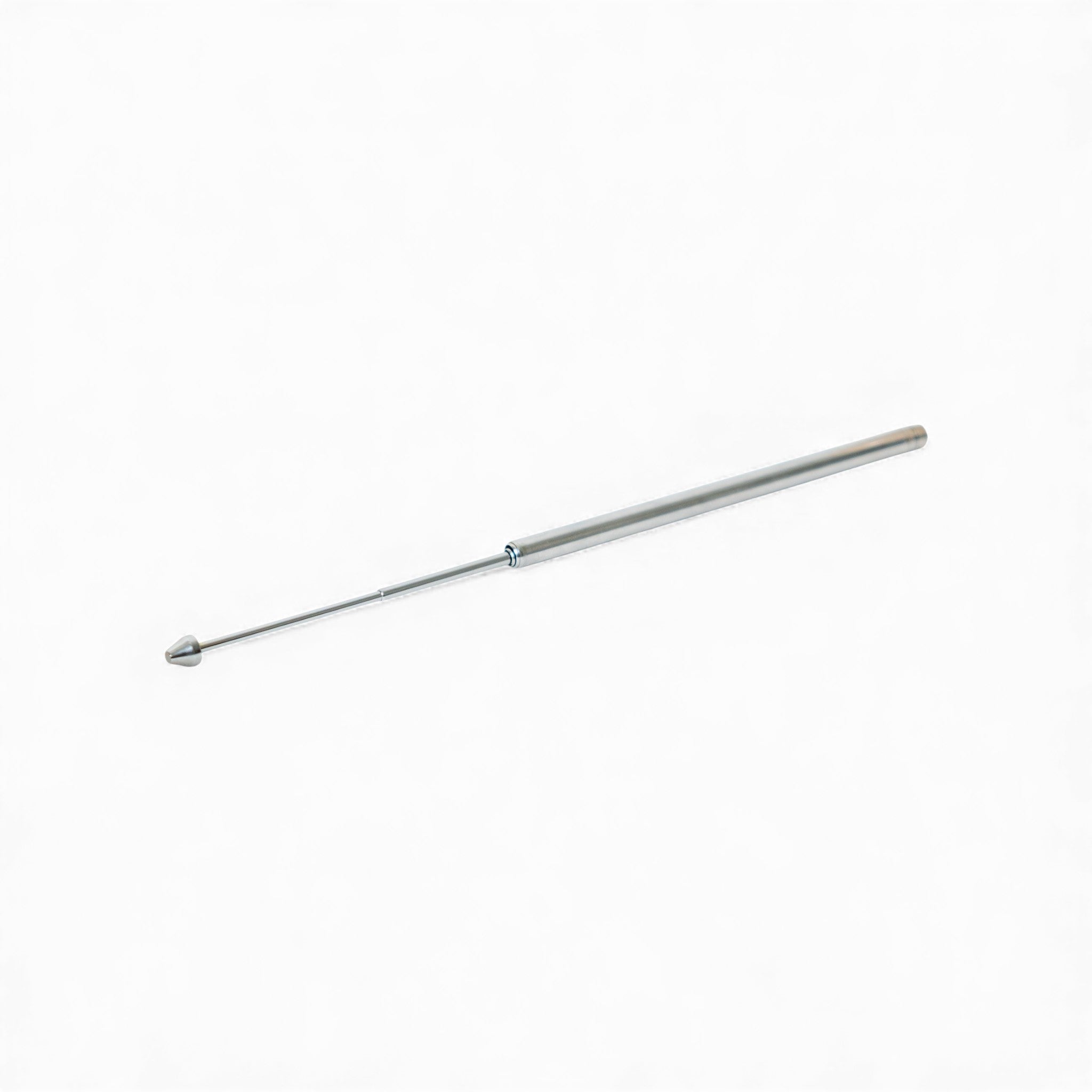
2. Extendable Measuring Device

Best for: resolving close-call frames in 30 seconds without disputes.
The Extendable Measuring Device at $20 telescopes to about 60cm and has a notched head that reads against a regulation 107mm ball. Every backyard tournament produces 3 to 5 close-call frames per match; without a measuring device, those frames either get coin-flipped (unsatisfying) or argued (slows the day). At $20 the device pays for itself in goodwill across one tournament.
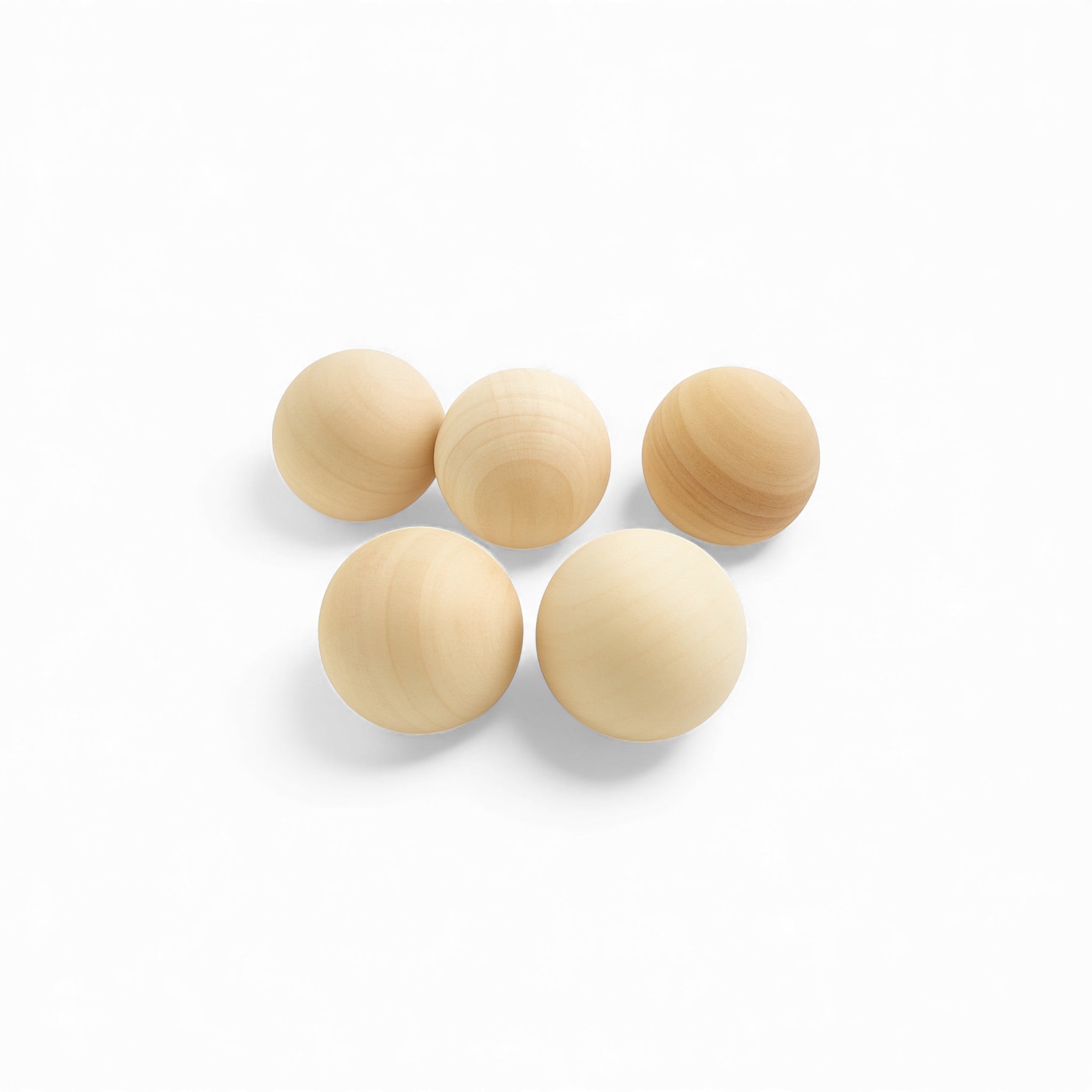
3. EPCO 107mm Tournament 8-Ball Set, Pink/Blue

Best for: the tournament-grade regulation set every match needs.
The EPCO 107mm Tournament 8-Ball Set in Pink/Blue at $275 covers two teams with four balls each, includes a pallino, and ships with a carry bag. Pink and blue is one of the easier colorways to track at distance because the contrast holds across the 60 to 76-foot court. USA-made, USBF and FIB tournament-recognized. One set is enough for a backyard tournament; matches share the same set with team rotation.
Court setup and surface
For backyard tournaments, a 50 to 60 ft long by 8 to 12 ft wide flat strip works. Grass plays slow and forgives; stone dust plays firm and rewards a softer touch; decomposed granite plays fast and bumpy. If you don't have a dedicated court, rake a section of grass to mostly flat, mark the throwing line with chalk or rope, and play. Coverage of backyard sport courts in Outside Magazine has profiled the rise of DIY weekend-built bocce strips alongside more permanent professional installations.
Food, drinks, and the day-of flow
Set up food and drinks at least 20 feet from the throwing line. Bocce balls roll, drift, and occasionally collide with the pallino at speed, so anything within the side-walls of the playing area becomes a target. A side table with snacks and a separate drinks cooler away from the throwing zone keeps the day moving without spills. Coverage in New York Times food and entertaining reporting has highlighted backyard sports parties as a growing entertaining format alongside pickleball and bocce specifically.
The hosting timeline
Three weeks out: invite 16 individuals (you'll seat 8 teams of 2 from the responses). One week out: confirm field, finalize bracket pairings if you're pre-pairing teams, order any missing equipment. Day before: mark the court, set up the scoreboard, lay out food and drink stations. Day of: pair teams (if random), play through the bracket, crown the champion. Most hosts find 4 hours from first-roll to trophy is comfortable.
Why buy from BuyBocceBalls
We carry the tournament-grade regulation sets, scoreboards, and measuring devices that backyard hosts need. Most US orders ship in two to four business days, so a Saturday tournament order placed on a Monday or Tuesday usually arrives in time. Browse the full bocce court accessories collection for everything beyond the balls themselves.
Frequently asked questions
How many people do you need to host a bocce tournament?
The sweet spot is 16 people in 8 teams of 2, playing single-elimination over a 4-hour afternoon. Tournaments work down to 8 people (4 teams) or up to 32 people (16 teams, full Saturday).
How long does a bocce tournament take?
An 8-team single-elimination tournament with matches to 12 points takes roughly 4 hours including breaks. A 16-team tournament takes a full Saturday (8 to 10 hours). A 4-team mini-tournament takes 90 minutes.
What size court do I need for a backyard bocce tournament?
Backyard tournaments work on a 50 to 60 ft long by 8 to 12 ft wide flat strip. Regulation USBF tournament play uses 12 ft by 76 ft, but backyard variants compress without affecting the match experience.
Do I need a measuring device for casual tournament play?
Strongly recommended. Every match produces several close-call frames where two balls land within a few inches of the pallino. The $20 extendable measuring device resolves these in 30 seconds; without one, you'll spend the day refereeing eye-ball calls.