Every bocce court has boundaries. Balls that cross the boundary are typically out of play. But the exact rules depend on whether the court has physical side walls, painted boundaries, or is just a marked-off section of grass. This guide covers bocce rules for ball boundaries and out-of-play areas in 2026 across walled courts, open courts, and casual backyard setups. For broader rule coverage see our Bocce Rules Explained.
Key Takeaways
- Bocce rules for boundaries: walled courts contain balls; open courts declare crossings as dead balls.
- Regulation courts are 60 to 91 feet long by 8 to 13 feet wide.
- The back boundary limits how far past the pallino a ball can travel.
- Balls that touch or cross the side or back boundary in open play are dead.
- House rules vary widely for casual backyard boundary handling.
Bocce Rules for Walled Court Boundaries
Walled courts have physical side rails. Balls that hit the wall deflect and continue in play. This is legal contact. The final resting position stands. Coverage of walled court rules in United States Bocce Federation tournament materials confirms wall deflections as legal.
Bocce Rules for Open Court Boundaries
Open courts have marked but unwalled boundaries. Balls that cross the boundary line are dead and removed. In casual grass play with no marked lines, a general 'stay within the play area' rule applies.
Bocce Rules for the Back Boundary
The back boundary is the far end of the court behind the pallino. Balls that pass the back boundary are dead. In walled courts, the back wall serves as the boundary. In open courts, a line marks the boundary.
Bocce Rules for Ball Position on the Boundary
A ball resting exactly on the boundary line is typically considered in play unless the rules specify otherwise. Judges resolve close cases. Coverage of boundary rulings in Federazione Italiana Bocce tournament rules confirms this convention.
Bocce Rule Book: Official Open Rules

Best for: the printed USBF Open Rules reference covering all boundary and out-of-play rulings.
Bocce Rules for Regulation Court Dimensions
Regulation courts are 60 to 91 feet long by 8 to 13 feet wide. The 60 foot minimum is the shortest tournament-compliant length. The 91 foot standard fits FIB international competition. Coverage of dimensions in Britannica's entry on bocce traces the regulation dimensions. For dimension coverage see our Bocce Court Dimensions Guide.
Bocce Rules for the Pallino Boundary
The pallino must land within specific boundary limits during the pallino toss. Typically the pallino must clear the 4-meter line (past the throwing zone) and stop before a designated back line (usually 5 meters from the back wall or boundary). Out-of-bounds pallino tosses are replayed.
Bocce Rules for the Center Line
Some regulation courts have a center line running the length of the court. The pallino must cross this line to be valid on the initial toss. This prevents excessively short pallino throws.
Bocce Rules for Retrieving Out-of-Bounds Balls
Balls that leave the court are retrieved by the throwing team's spotter or the judge. Retrieved balls are placed in the team's ball pool for the next frame.
Bocce Rules for Ball Position Disputes on the Boundary
Boundary disputes are resolved by judges using visible position markers or the boundary line itself. Coverage of boundary disputes in Wirecutter broader precision sport coverage confirms judge discretion for close calls.
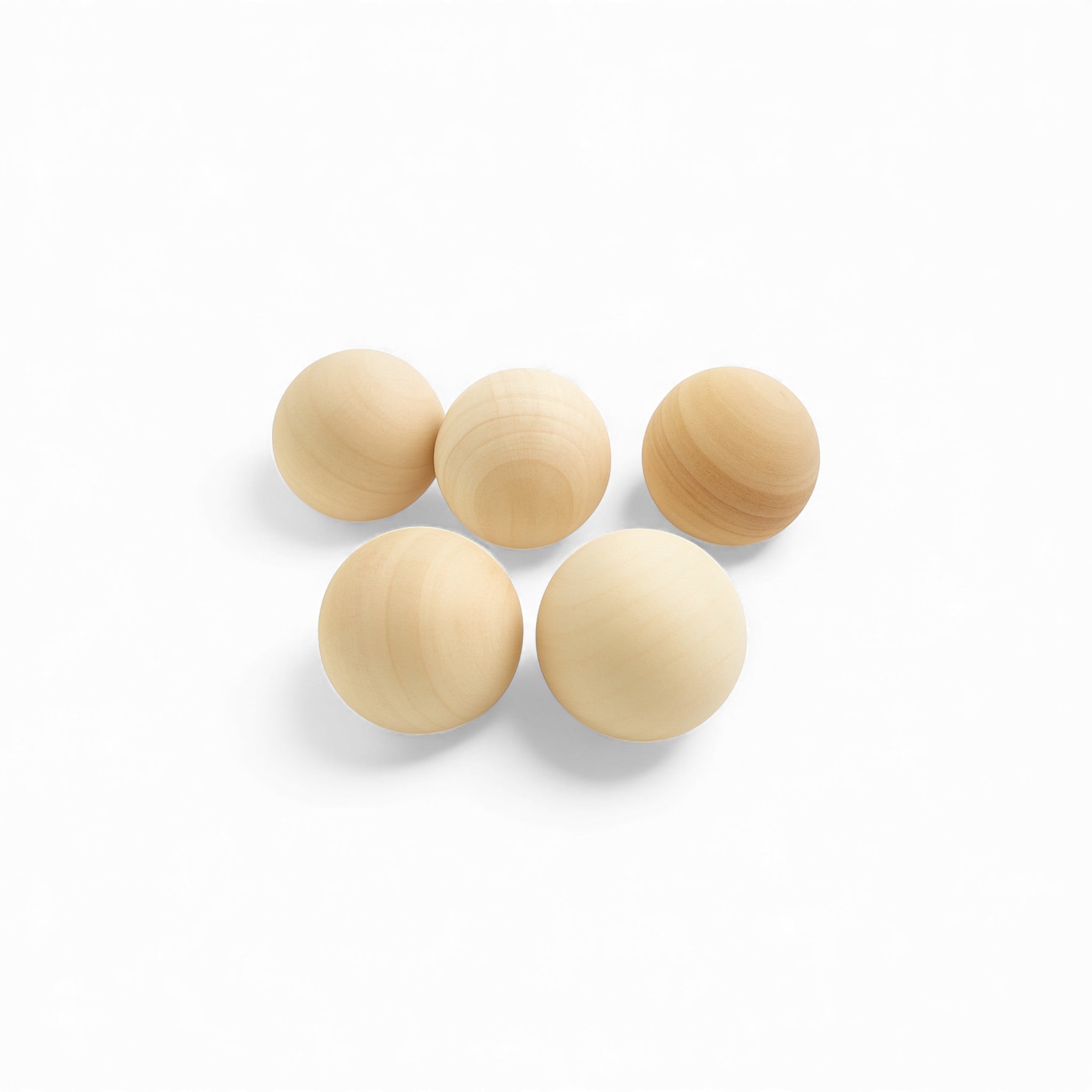
110 mm 8 Bocce Ball Set Bundle

Best for: backyard play where boundaries are casual and house rules typically apply.
Bocce Rules for Roped or Taped Boundaries
Portable courts and pop-up play areas often use rope or tape to mark boundaries. Rope boundaries are considered boundary lines in the same way as painted lines.
Bocce Rules for Grass Court Natural Boundaries
Grass courts may use natural features (a garden edge, a tree line, a paved walkway) as boundaries. Establish the boundary explicitly before play to prevent disputes.
Bocce Rules for Corner Boundary Rulings
Balls that land in a corner near two boundary lines simultaneously are dead if they touch or cross either line. Judges call the position from the closest line.
Bocce Rules for Boundary Modifications
Some casual games use narrower or shorter boundaries for younger players or smaller yards. Modifications should be agreed on before play and consistent across frames.
Bocce Rules for Boundary Marking Materials
Painted lines, taped lines, rope, chalk, and physical markers all work. The requirement is that both teams can see and agree on the boundary before the game.
Bocce Rules for Removing Dead Boundary Balls
Balls that cross the boundary are removed and placed aside. They do not return to play in the current frame. In multi-frame games, they may be returned to the team for the next frame. For dead ball coverage see our Bocce Rules for Foul Lines and Dead Balls.
Bocce Rules for Youth League Boundary Adaptations
Youth leagues often use shorter court boundaries to fit smaller physical capabilities. The proportional court fits younger players without changing the game's fundamental structure.
Why Buy Regulation Court Bocce from BuyBocceBalls
We carry the equipment for regulation court play including tournament-tier sets. Every set ships from our US warehouse in one to two business days. For court builders needing boundary marking guidance, our team can advise.
Frequently Asked Questions
What happens if my ball rolls off the court?
On open courts: dead ball, removed. On walled courts: deflects off the wall and stays in play.
How wide is a regulation court?
8 to 13 feet.
Can the pallino go out of bounds?
Yes during the toss (replayed) or during play (dead frame).
Are boundary balls resting on the line in play?
Typically yes. Judges resolve close cases.
Do casual games use boundaries?
Yes. Establish boundary lines before play using rope, tape, or agreed features.