Bocce and boccia sound like the same word. They are not the same sport. Bocce is the outdoor Italian rolling-ball game most Americans know, played on a long groomed court with hard resin balls thrown underhand from a foul line. Boccia is the indoor Paralympic sport for athletes with high-support physical impairments, played on a smooth indoor court with soft leather-covered balls that can be rolled, tossed, or delivered with a ramp. The confusion between the two comes up constantly at schools, community centers, and rehabilitation programs, and it matters because the equipment, rules, and playing spaces are not interchangeable. This guide walks through the honest differences. For the deeper rules of bocce specifically, see our Complete Rules and Strategy Guide.
Key Takeaways
- Bocce is Italian, outdoor, and played with hard resin balls on a 60 to 90 foot groomed court. Boccia is Paralympic, indoor, and played with soft leather balls on a 6 by 12.5 meter court.
- Bocce balls are 107mm to 114mm hard resin, weighing about 900 grams each. Boccia balls are 270 grams, soft, and hand-molded from leather over a granular filling.
- Boccia is a Paralympic sport with formal classification categories (BC1 through BC4) based on the athlete's physical function.
- The two share ancient common ancestry through Roman lawn bowling but diverged completely in the modern era. Do not use bocce equipment for boccia or vice versa.
- Which one fits you depends entirely on setting and access needs, not preference. Boccia is designed specifically for inclusive adaptive play.
The origins and how the two sports diverged
Both bocce and boccia trace back to lawn-bowling games played across the Roman Empire, and both use the same target-ball-plus-throwing-balls format that ancient games shared. The two sports diverged in the modern era for reasons that had nothing to do with the game itself: they evolved in different countries to serve different audiences.
Bocce spread through Italy as an outdoor social sport and traveled to North America through Italian immigration during the late 19th and early 20th centuries. It settled into Italian-American social clubs, city parks, and eventually breweries and modern hospitality venues. The equipment standardized around hard resin balls at regulation sizes (107mm being the most common in the US), the courts standardized around long groomed surfaces, and the rules formalized under the Federazione Italiana Bocce and the United States Bocce Federation.
Boccia developed on a completely different path. Originally created in Denmark and Portugal during the 1970s specifically as a sport for people with cerebral palsy and similar physical impairments, boccia was designed from the beginning to be inclusive. The equipment is soft (leather balls filled with granular material) so athletes can throw, kick, or use ramps to deliver the ball. The court is smooth and level. The competition classification system organizes athletes by physical function rather than gender or weight class.
Boccia became a Paralympic sport at the 1984 Games in New York and has been part of every Paralympics since. Coverage of the sport's Paralympic history in International Paralympic Committee materials tracks its growth from a specialty adaptive sport into one of the most-watched Paralympic events. Today boccia has active national federations in more than 50 countries and formal competition programs at multiple levels.
Bocce and boccia share so much of their ancient family tree that the confusion is easy to understand. Both use a target ball (called the pallino in bocce and the jack in boccia). Both score by proximity. Both use underhand delivery in most cases. But the equipment, court, athletes, and modern rules are different enough that treating them as one sport creates problems for everyone involved.
Equipment, court, and rules: the honest side-by-side
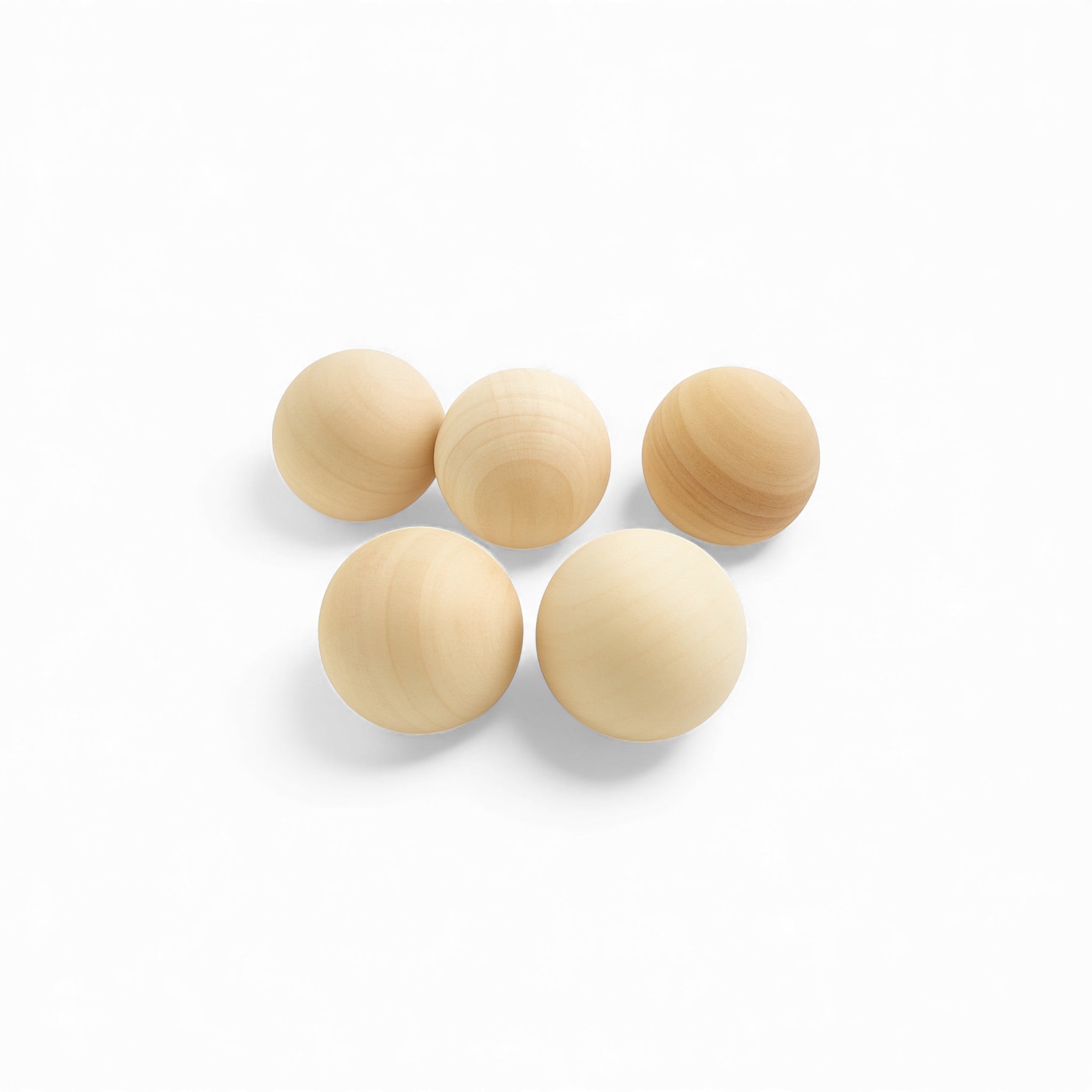
Bocce balls are 107mm to 114mm in diameter, hard-shell resin construction, and weigh approximately 900 grams each. A regulation set has 8 balls in two colors plus a smaller white pallino at about 40mm. Boccia balls are 270 grams (a third of a bocce ball's weight), hand-molded from leather over granular filling, and soft enough to compress in your hand. A boccia set has 13 balls: 6 red, 6 blue, and one white jack. The soft construction is what allows the ball to be delivered by throw, kick, or ramp assist.
The courts are dramatically different. A regulation bocce court is 27.5 meters long and 2.5 to 4 meters wide, played outdoors on a groomed surface of shell blend, Har-Tru, or crushed stone dust. Coverage of court dimensions across the two sports in Britannica's reference material shows the practical implication: you cannot play bocce on a boccia court, and boccia balls will not roll properly on a bocce surface. A regulation boccia court is 6 by 12.5 meters, played indoors on a smooth flat surface such as a gymnasium floor or purpose-built indoor court. For coverage of bocce court specifics, see our backyard bocce court build guide.
Rules diverge in ways that matter. In bocce, teams throw all their balls toward the pallino, alternating turns, and score one point per ball closer to the pallino than the opposing team's nearest ball. A frame ends when both teams have thrown all their balls, and games typically go to 12 or 15 points.
In boccia, six balls per side are thrown from the throwing box, with the closest ball to the jack scoring one point and each additional ball closer scoring another point. What makes boccia different is the classification system. BC1 athletes have significant motor impairment and may use assistants; BC2 athletes have less severe impairment; BC3 athletes use assistive devices (ramps and pointers) with a ramp assistant; BC4 athletes have non-cerebral origin impairments. Each classification competes separately at Paralympic and international levels.
Time limits differ too. Bocce frames typically have loose or no time limits at recreational level, moving to strict federation time limits at sanctioned tournaments. Boccia has tightly regulated per-throw time limits at all competitive levels to accommodate the classification-specific mechanics of ball delivery.
110 mm 8 Bocce Ball Set Bundle

Best for: a full 8-ball regulation bocce set for backyard and league play. Note: this is a bocce set, not a boccia set. Boccia equipment must be purchased from specialty boccia suppliers.
Which sport fits you and how to get involved
Which sport is right for you comes down entirely to setting and access needs, not preference. Both sports are excellent, both have deep communities, and both reward long-term skill development. The question is where you can access play and what your physical needs are.
Bocce is the right choice if you are an able-bodied player looking for a social outdoor sport, if you have access to a bocce court (public parks, breweries, Italian-American clubs, or a home build), or if you enjoy games with a strong social and food-and-drink component. The community is welcoming, the equipment is affordable, and league play exists in most metro areas with an Italian-American population. To find a local court, see our bocce court finder guide.
Boccia is the right choice if you have a physical impairment that limits access to traditional sports, if you are affiliated with a school or community program serving adaptive athletes, or if you are looking for competitive adaptive sport with a formal international pathway. Boccia is one of the most competitive Paralympic sports at the elite level and has active recreational programs in most major cities.
Some venues run both. Community centers and adaptive-sport programs often offer boccia during weekday afternoons and bocce leagues on weekend evenings. Schools sometimes teach both under one "bowling-family sports" curriculum. Special Olympics unified programs blur the line further by adapting bocce rules for mixed-ability play, though this is not the same as competitive Paralympic boccia. Coverage of these overlapping programs in Special Olympics unified sports materials shows the growth trajectory: both sports are expanding, but as parallel offerings rather than combined ones.
If you are shopping for equipment, buy the right one. Bocce sets from bocce suppliers, boccia sets from boccia suppliers. Trying to use bocce balls in a boccia program produces an unsafe and unfair game because the ball weight and hardness are different, and the classification-specific delivery methods (especially ramp delivery for BC3) depend on the soft leather ball design. Similarly, boccia balls will not roll properly on a bocce court and using them for backyard bocce is essentially playing a different game.
Why Buy Bocce from BuyBocceBalls
For bocce specifically, we carry the full range of regulation-size sets from 107mm tournament balls to 110mm league sets to compact 73mm backyard options. Everything ships the same day from stock. For boccia equipment, we recommend Paralympic boccia specialty suppliers because the ball construction and certification requirements are different. Getting the right sport-specific equipment matters more here than in almost any other lawn game.
Frequently Asked Questions
Is boccia the same as bocce?
No. Bocce is the outdoor Italian rolling-ball game with hard resin balls. Boccia is the indoor Paralympic sport with soft leather balls designed for athletes with high-support physical impairments.
Can I use bocce balls to play boccia?
No. Bocce balls are three times heavier than boccia balls and are hard resin instead of soft leather. Using bocce balls in a boccia program is unsafe and does not match Paralympic classification requirements.
Is boccia a Paralympic sport?
Yes. Boccia has been a Paralympic sport since the 1984 New York Games and appears at every Summer Paralympics with formal classifications from BC1 through BC4.
What is the difference between bocce and boccia courts?
Bocce courts are 27.5 meters by 2.5-4 meters, outdoor, and use groomed shell or Har-Tru surfaces. Boccia courts are 6 by 12.5 meters, indoor, and use smooth flat surfaces like gymnasium floors.
Should I play bocce or boccia?
Both are excellent sports. Boccia is designed specifically for athletes with physical impairments who cannot access traditional throwing sports. Bocce is the right social outdoor game for able-bodied players.