Bocce is played by rolling 4 balls per team toward a small target ball called the pallino. The team whose ball ends up closest to the pallino scores points. Games are usually played to 12 or 15 points. A standard match takes 30 to 60 minutes and works on any flat surface, like a regulation court, a backyard lawn, or a stretch of compacted dirt. Two to eight players, ages 6 and up.
Bocce is one of the oldest target-ball games still actively played, with origins traced by Encyclopedia Britannica's entry on bocce back to ancient Roman soldiers throwing rounded stones over two thousand years ago. The modern rules are governed internationally by the Confederation Mondiale des Sports de Boules, with USA-specific tournament play managed by the United States Bocce Federation. The recreational version most people play is much simpler than the tournament version, and that is what this guide covers.
Key Takeaways
- Bocce is played by rolling 4 balls per team toward a small target ball (the pallino).
- The team with the closest ball to the pallino scores; only one team scores per frame.
- Games go to 12 points (casual) or 15 points (tournament). 21 is also common.
- You need 8 bocce balls (4 per team), 1 pallino, and a flat surface. No formal court required.
- Strategy matters more than power: defensive blocking and pallino-targeting separate winners from beginners.
What you need to play
Bocce equipment is minimal. You need:
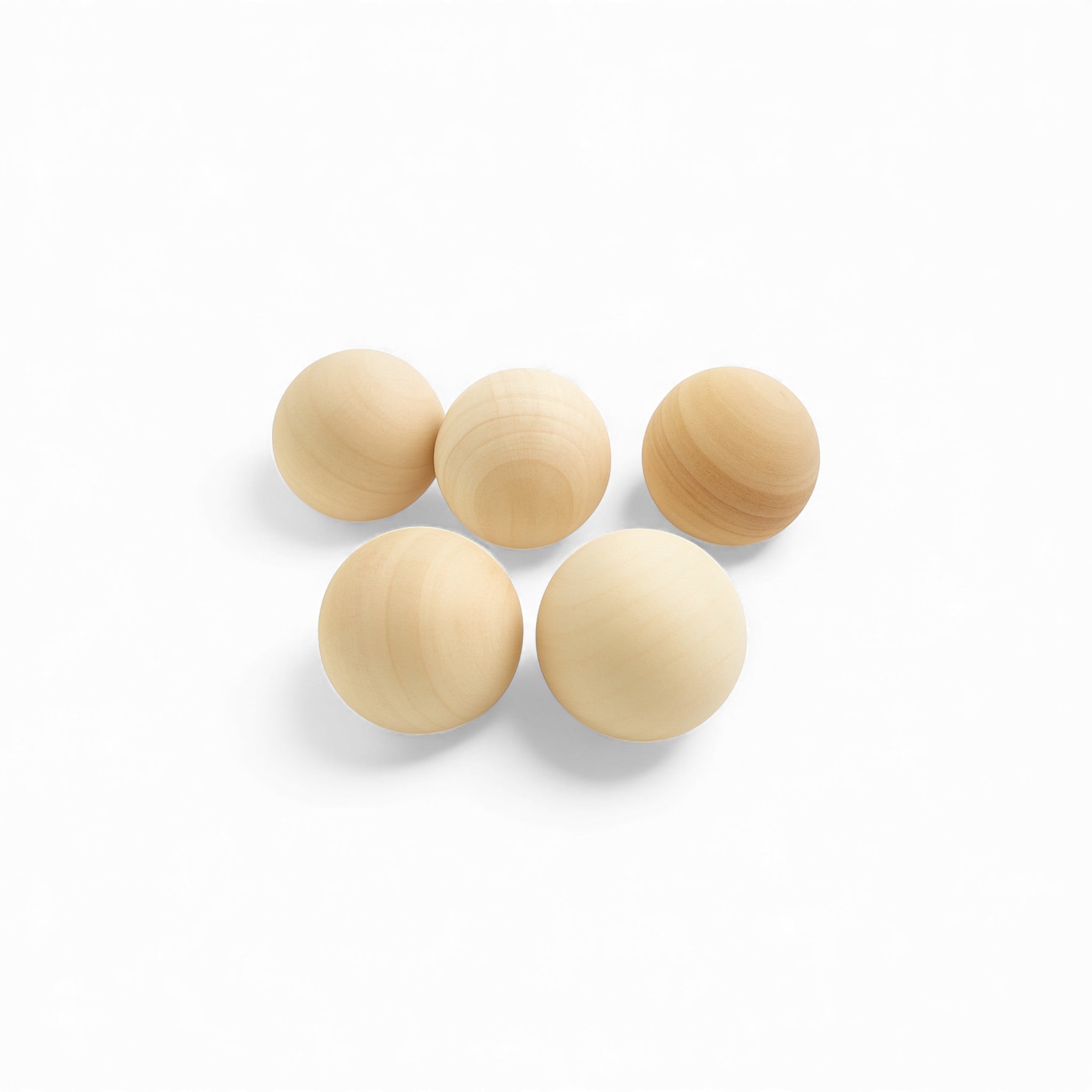
- 8 bocce balls in two distinct colors (4 per team). Tournament-grade 107mm sets are the standard.
- 1 pallino (also called the jack or cochonnet), the small target ball, typically 50-60mm.
- A flat surface. Regulation courts are 12 by 76 feet, but any flat lawn, driveway, or compact dirt area works for casual play.
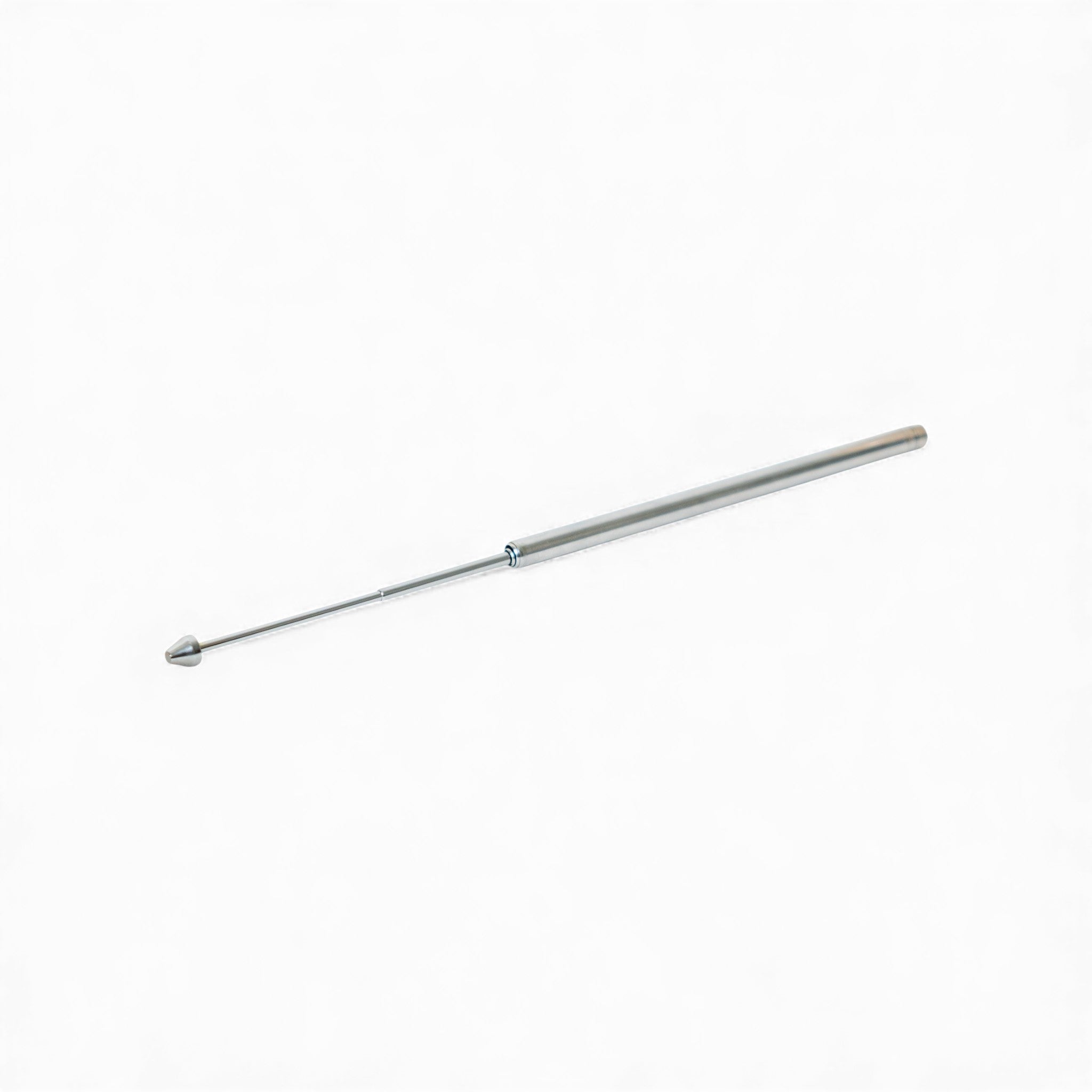
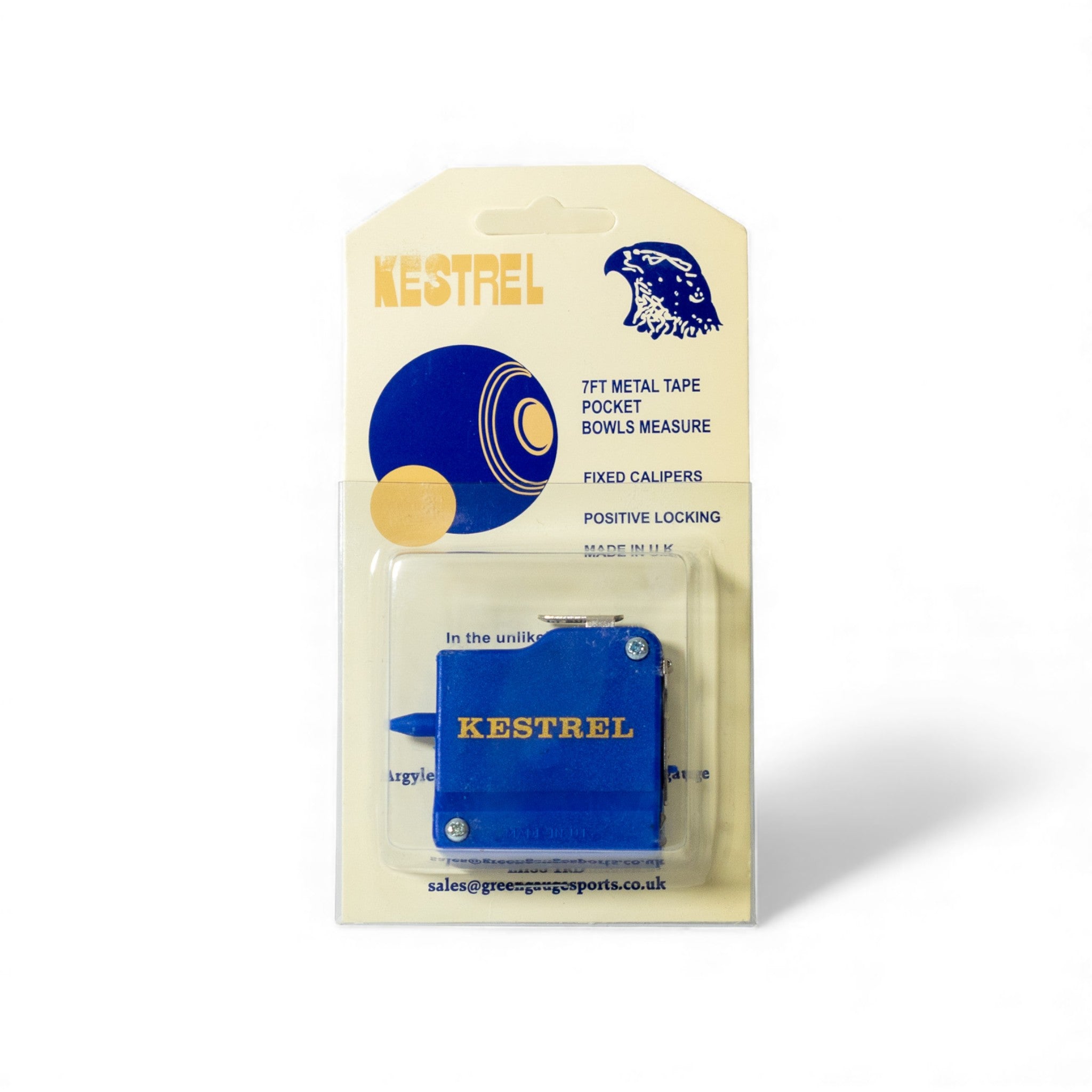
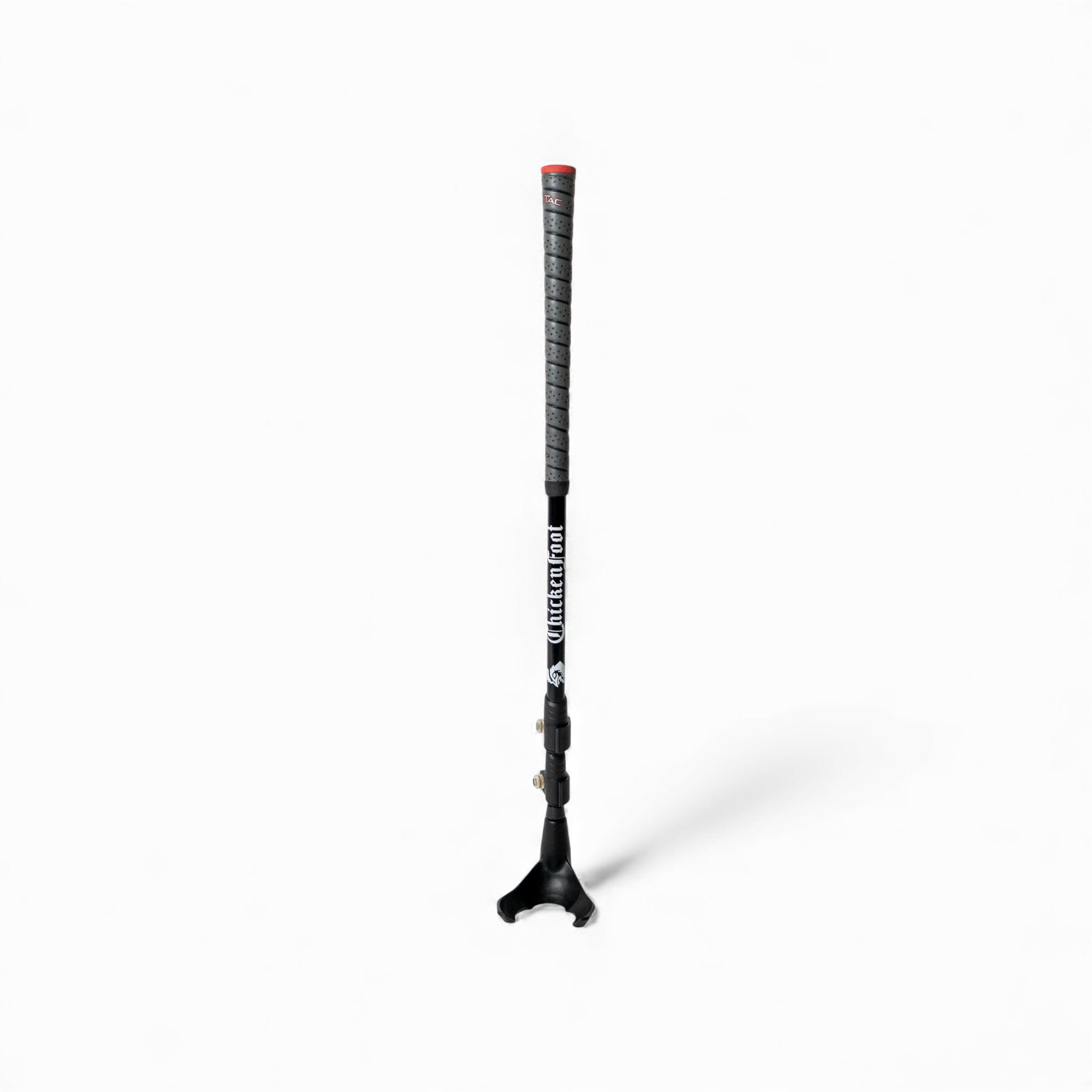
- Optional but recommended: a measuring device for close calls, a scoreboard, and a carry bag.
For first-time buyers, the 107mm 4-ball bundle works for doubles play. Serious players or full teams should get the EPCO 107mm 8-ball tournament set.
How to set up the court
A regulation bocce court is 12 feet wide and 76 feet long, with a hard wooden or composite backboard at each end and 4-foot side walls of stone, wood, or composite. The playing surface is typically crushed oyster shell, stone dust, or compacted clay.
For backyard play, none of this is required. A flat lawn or hard-packed dirt area roughly 10 by 60 feet works fine. Mark the foul line (where players throw from) with chalk, a string, or a stick. The simpler setup, the easier it is to start playing.
Per Outside Magazine's outdoor games coverage, building a backyard court is a satisfying weekend project for serious players, but the recreational rules adapt to any flat space.
The rules: how to play a frame
1. Toss the pallino
One team starts the frame by tossing the pallino into the playing area. The pallino must land past a marked line (typically half the court length) and stay in bounds. If the toss fails twice, the other team gets to place the pallino.
2. The first throw
The team that tossed the pallino throws first, attempting to roll their first bocce ball as close to the pallino as possible.
3. Subsequent throws
The team whose ball is currently farthest from the pallino throws next, attempting to either get closer to the pallino or knock the opposing team's ball away. Teams alternate this way until one team runs out of balls; the other team then throws their remaining balls.
4. Score the frame
After all 8 balls are thrown, the team with the ball closest to the pallino scores. They earn 1 point for that closest ball PLUS 1 point for each additional ball they have closer to the pallino than any of the opposing team's balls. Maximum points per frame is 4 (if all 4 of their balls are closer than any of the opposing team's).
5. Next frame
The team that scored throws the pallino to start the next frame. Play continues until one team reaches the target score.
How to score in bocce
Only one team scores per frame. Counting the score is straightforward once you understand the closest-ball rule:
- 1 point: the team has the single closest ball to the pallino
- 2 points: the team has the two closest balls (and the third-closest belongs to the opposing team)
- 3 points: the team has the three closest balls
- 4 points: the team has all four closest balls (a "sweep")
Games are typically played to 12 (casual), 15 (USBF tournament), or 21 (Italian league traditions). The first team to reach the target score wins.
Throwing technique: the basics
Bocce balls are rolled, not thrown overhand. The standard technique:
Stance: stand at the foul line with your shoulders square to the pallino direction. Feet about shoulder-width apart, weight slightly forward.
Grip: hold the ball in your dominant hand with your palm facing up, fingers gently cradling the ball.
Release: swing your arm in a smooth pendulum motion, releasing the ball low to the ground (within an inch or two of the surface). Follow through with your throwing arm pointing toward the pallino.
Three release styles dominate at experienced clubs:
- Punto (point): a soft, controlled roll aimed at the pallino. The default approach when no obstacles are in the way.
- Raffa: a faster roll meant to knock an opposing team's ball out of the way.
- Volo: an aerial throw that lifts the ball above ground level. Used in the volo discipline (with 110mm balls); rare in 107mm play.
Strategy: 7 tips that win frames
1. The first ball thrown sets the frame
If your first ball lands close to the pallino, it forces the opposing team to spend their balls trying to displace yours rather than building their own position.
2. Defensive blocking is underrated
Once you have a ball close to the pallino, your subsequent throws can intentionally land in front of the pallino to block the opposing team's path. A blocking ball does not need to be close to the pallino to be useful.
3. Pallino targeting is the highest-skill move
If the opposing team has multiple balls clustered near the pallino, hitting the pallino itself can scatter the cluster and reset the frame. This is a high-risk, high-reward move that experienced players use late in close frames.
4. Save your best ball for last
The last ball of the frame can sometimes score multiple points by displacing the opposing team's closest ball. Do not waste your most accurate throws early.
5. Read the surface
Different surfaces (crushed oyster, stone dust, grass, clay) take spin and roll differently. Throw a few warm-up balls to learn the surface before competitive play. Italian club coverage from The New York Times notes that surface reading is the single most important skill at the highest competitive levels.
6. Communicate with your partner
In doubles or team play, agree on every throw before it happens. "Block the lane" or "go for the cluster" is a different shot than "land it close." Confusion costs points.
7. Watch the wind and slope
Outdoor courts have subtle slope and wind. Compensate by throwing slightly upwind or upslope of your target.
Common rule variations
Casual backyard bocce often modifies the official rules. Common variations:
- Counting all balls: some house rules count the closest 2 or 3 balls per team, not just one team's closest balls. This makes scoring more even.
- Open Bocce: no foul line; players throw from any position. Faster, more casual.
- Cocktail Bocce: drinks in hand, looser rules, common at restaurant bocce destinations like Pinstripes and Campo di Bocce.
None of these are wrong; they just differ from the USBF tournament rulebook. Agree on rules before starting if you are mixing experienced and casual players.
Why buy from BuyBocceBalls
BuyBocceBalls stocks everything you need to start playing: tournament-grade ball sets, pallinos, measuring devices, scoreboards, and carry bags. All shipping from US warehouses. Browse the complete bocce set collection for first-time setup, or grab a 3-pack of engraved pallinos if you already have balls and just need replacement targets.
Related guides: Best bocce ball sets in 2026, best bocce sets for beginners, and 107mm vs 110mm vs 114mm size comparison.
Frequently asked questions
How do you play bocce?
Roll 4 balls per team toward a small target ball (the pallino). The team with the ball closest to the pallino scores 1 point per closest ball. Games go to 12 or 15 points. Standard equipment is 8 bocce balls, 1 pallino, and any flat surface.
How do you score in bocce?
Only one team scores per frame. They get 1 point for each of their balls that is closer to the pallino than any of the opposing team's balls. Maximum 4 points per frame.
How many points to win in bocce?
Most casual games go to 12. USBF tournaments use 15. Italian league traditions sometimes use 21. The number is agreed before starting.
How many balls in a bocce set?
A complete tournament set has 8 bocce balls (4 per team in two distinct colors) plus 1 pallino. Smaller sets come with 4 balls and a pallino.
Can you play bocce on grass?
Yes. Bocce plays on any flat surface like grass, dirt, sand, hard-packed clay, or a regulation crushed-oyster court. The game adapts to the surface. Tournament-grade balls roll best on a smooth, prepared surface, but recreational play works anywhere.