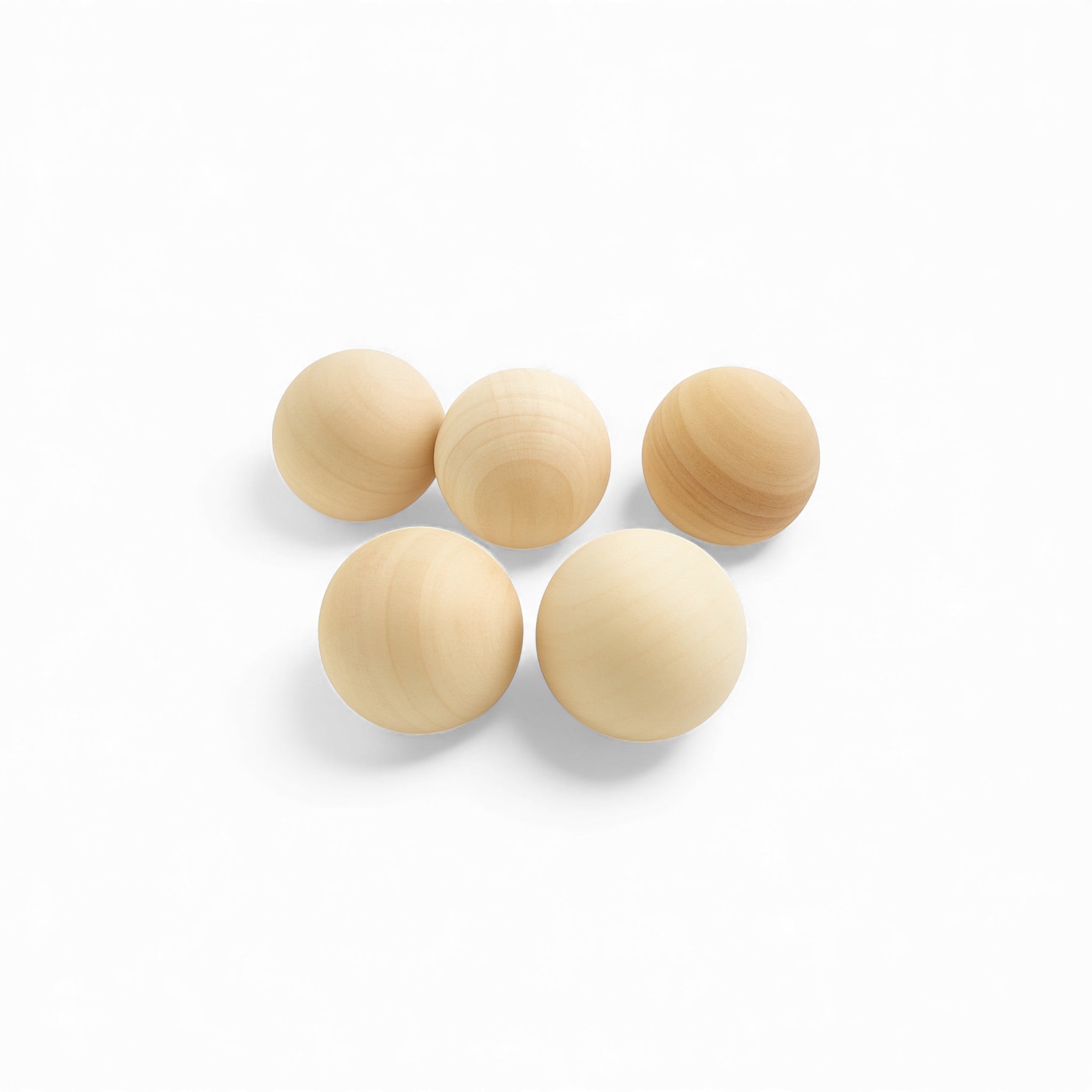
The 107mm size is the international tournament standard and the right pick for 90% of modern bocce buyers. The 110mm size is used in the volo discipline that dominates older Italian-American clubs and parts of Italy and Switzerland. The 114mm size is the largest tournament size, used almost exclusively for the most traditional Italian volo play. If you are new to bocce or unsure, buy 107mm.
The differences between these three sizes come from different competition disciplines, not different styles of recreational play. The Federazione Italiana Bocce (FIB) recognizes all three sizes for sanctioned tournament play, but each size belongs to a distinct discipline (raffa, volo, lyonnaise) with its own throwing technique. The Confederation Mondiale des Sports de Boules manages the international competition calendar across all three.
Key Takeaways
- 107mm is the international tournament standard and the right size for most buyers.
- 110mm is used in volo (lyonnaise) play, common in older Italian and Italian-American clubs.
- 114mm is the heaviest tournament size and used almost exclusively in traditional Italian volo.
- All three sizes weigh roughly 920 to 1,250 grams (2.0 to 2.7 lbs) per ball, depending on the discipline.
- Most US clubs and the USBF tournament circuit use 107mm; if you do not know which to buy, buy 107mm.
The three sizes side by side
107mm: the international tournament standard
The 107mm size (4.21 inches) is the size used at the World Bocce Championships, in USBF-sanctioned tournaments, and at most American bocce clubs. Tournament-grade 107mm balls weigh approximately 920 to 1,000 grams (2.0 to 2.2 lbs). The throwing motion is the rolling underhand release on a long flat court (typically 12 by 76 feet for regulation play).
Buy 107mm if: you are a beginner, you play in the United States, you are joining a USBF-affiliated club, you are unsure which size to choose, or you want one set that works at almost every public bocce destination. This is the right default.
110mm: the volo / lyonnaise size
The 110mm size (4.33 inches) is used in the volo discipline, which is more common in older Italian-American clubs (especially in Toronto, parts of New York and Chicago, and Italian-Canadian communities) and in northern Italy and Italian-Switzerland. Volo balls are heavier (roughly 1,100 grams / 2.4 lbs) and the throwing technique is aerial rather than rolling. The ball is launched above ground level toward the pallino with a deliberate hand release.
Buy 110mm if: you are joining a club that specifically plays volo, you have an Italian-American family tradition that uses this size, or you specifically want to learn the aerial throwing style. Do not buy 110mm if you are joining a USBF-sanctioned league.
114mm: the traditional Italian volo size
The 114mm size (4.49 inches) is the largest sanctioned tournament size and is used in the most traditional Italian volo play, particularly in Piedmont and Liguria. The balls weigh roughly 1,100 to 1,250 grams (2.4 to 2.7 lbs) and the throwing technique is a more pronounced aerial launch.
Buy 114mm if: you are specifically pursuing the traditional Italian volo discipline. For everyone else, this size is not a good first purchase.
Weight, feel, and throwing differences
The size differences look small on paper (107mm to 114mm is only 7mm, less than a third of an inch), but the differences in weight and feel are noticeable from the first throw.
A 107mm ball at 920 grams sits comfortably in most adult palms and rolls naturally underhand. A 110mm ball at 1,100 grams demands more wrist strength and rewards a different release. A 114mm ball at 1,200+ grams effectively requires the aerial volo technique because rolling it underhand in the 107mm style leaves the ball short of the pallino.
For coverage of how the disciplines diverge in practice, Outside Magazine's outdoor sports reporting has profiled volo and raffa traditions in the US and Italy.
Court size and surface differences
All three disciplines play on regulation 12-by-76-foot courts, but the playing surface preferences differ. The 107mm rolling game wants a smooth, hard-packed surface (crushed oyster shell, stone dust, or dedicated synthetic surfaces). The 110mm and 114mm volo games can tolerate slightly looser surfaces because the aerial throw is less surface-dependent. Encyclopedia Britannica's entry on bocce covers the broader history of how these traditions evolved alongside surface preferences.
What to buy: top picks by size
107mm pick: EPCO 107mm Tournament Marble Black/Marble Yellow 8-Ball Set

Best for: serious USBF tournament play and most US club leagues.
The EPCO 107mm professional 8-ball set is the most-respected USA-made tournament option and matches what most American clubs use. Get the EPCO 107mm Tournament 8-Ball Set.
107mm casual pick: 107mm Espresso Solid Color 4-Ball Set

Best for: tournament-grade quality at the entry-level price ($150).
If you only need 4 balls and want the cleanest, lowest-cost path into 107mm tournament play, this is the right pick. See the 107mm Espresso Solid Color 4-Ball Set.
110mm pick: 110mm 4 Bocce Ball Set Bundle
Best for: volo-style play at Italian-American clubs that prefer the larger size.
If your local club or family tradition uses 110mm volo, the 110mm 4-ball bundle at $204 covers the basics with a tournament-grade 110mm set and bag.
114mm pick: 114mm 4 Bocce Ball Set Bundle
Best for: the traditional Italian volo discipline only.
The 114mm 4-ball bundle at $223 is the right pick if you are specifically pursuing 114mm volo. For everyone else, skip this size.
How to know which size your local club plays
Three quick checks. First, ask. Most clubs will tell you over the phone in 30 seconds. Second, look at their tournament documentation. Sanctioning body affiliations are usually listed (USBF for 107mm, regional Italian federations for 110mm/114mm). Third, watch a frame of league play if you can; the size is obvious to anyone who has held both.
Per Sydney Morning Herald coverage of Italian-Australian sport, even within a single country the regional variation in preferred size can be significant. Always confirm before buying for a specific destination.
Why buy from BuyBocceBalls
BuyBocceBalls stocks the full FIB-recognized range across all three sizes (107mm, 110mm, and 114mm), so a single source covers any club tradition you might encounter. Browse the complete bocce ball collection to compare sizes, or jump to the 107mm collection for the recommended starting size.
Related guides: Best bocce ball sets in 2026, best bocce sets for beginners, and our existing bocce ball sizes guide.
Frequently asked questions
What is the difference between 107mm and 110mm bocce balls?
107mm is the international tournament standard, used in raffa play and recognized by the USBF. 110mm is used in the volo discipline, common in older Italian-American clubs. The 110mm balls are heavier (roughly 1,100g vs 920g) and use an aerial throwing motion rather than the rolling underhand throw used with 107mm.
What size bocce balls do professional tournaments use?
Most international tournaments use 107mm. Italian volo tournaments use 110mm or 114mm. The World Bocce Championships use 107mm for the international raffa division and 110mm/114mm for the volo divisions.
Are 110mm bocce balls heavier than 107mm?
Yes. 110mm tournament balls weigh approximately 1,100 grams (2.4 lbs); 107mm tournament balls weigh approximately 920-1,000 grams (2.0-2.2 lbs). The weight difference is felt clearly within the first throw.
Can I mix 107mm and 110mm balls in the same game?
You can, but you should not. Mixed sizes change the rolling and aerial behavior unpredictably and break tournament rules. Buy a complete set in one size.
Is 114mm worth buying?
Only if you are specifically pursuing the traditional Italian volo discipline. For US tournament players, USBF league players, and 95% of casual buyers, 114mm is not the right size.