Time management in bocce affects tournament brackets, league schedules, and casual game flow. Some rulesets enforce strict shot clocks. Others use total game time limits. Casual games use no formal timing. This guide covers bocce rules for time limits and pace of play in 2026 across USBF, FIB, and common league conventions. For broader rule coverage see our Bocce Rules Explained.
Key Takeaways
- Bocce rules for time limits: tournament games typically cap at 45 to 60 minutes.
- Shot clocks (30 to 60 seconds per throw) exist in some competitive formats.
- Casual backyard games use no formal timing.
- Slow play warnings are the primary enforcement mechanism.
- Time limit rules protect tournament schedules and TV broadcast slots.
Bocce Rules for Tournament Time Limits
USBF-sanctioned tournaments typically cap individual matches at 45 to 60 minutes. Games that reach the time limit end with the current score standing (if a lead exists) or continue with a modified format to resolve the tie. Coverage of tournament time management in United States Bocce Federation tournament materials confirms these standards.
Bocce Rules for the Shot Clock
Some competitive formats use a shot clock of 30 to 60 seconds per throw. The clock starts when the previous ball comes to rest. If the thrower does not release before the clock expires, the throw is invalidated and the ball is declared dead.
Bocce Rules for Pallino Toss Timing
The pallino toss must occur within a reasonable time from the start of the frame (typically 30 to 60 seconds). Delayed pallino tosses are subject to slow play warnings.
Bocce Rules for Between-Frame Timing
Between frames, teams typically have 30 to 90 seconds to walk to the other end, retrieve balls, and prepare for the next pallino toss. Extended breaks are subject to slow play warnings.
Bocce Rule Book: Official Open Rules

Best for: the printed USBF Open Rules reference covering pace of play and time limit protocols in full.
Bocce Rules for Slow Play Warnings
Judges warn slow players with verbal reminders. Repeated warnings can escalate to shot clock enforcement (if the ruleset permits) or dead ball rulings on delayed throws. Coverage of slow play enforcement in Federazione Italiana Bocce tournament rules matches USBF standards.
Bocce Rules for Point Total Games
Games played to a fixed point total (12, 15, or 21) have no fixed time limit. The game ends when a team reaches the target. Coverage of point-total games in Britannica's entry on bocce places this format within the game's traditional structure.
Bocce Rules for Time-Capped Games
Games with fixed time caps (30, 45, or 60 minutes) end at the cap regardless of score. The team leading at the cap wins. Ties at the cap resolve by additional frames or by a designated tiebreaker. This format fits tournament brackets that require predictable game times.
Bocce Rules for Sudden Death Frames
When a game reaches the time cap tied, sudden death frames determine the winner. The first team to score in an additional frame wins. Sudden death frames are unlimited in count until a score occurs.
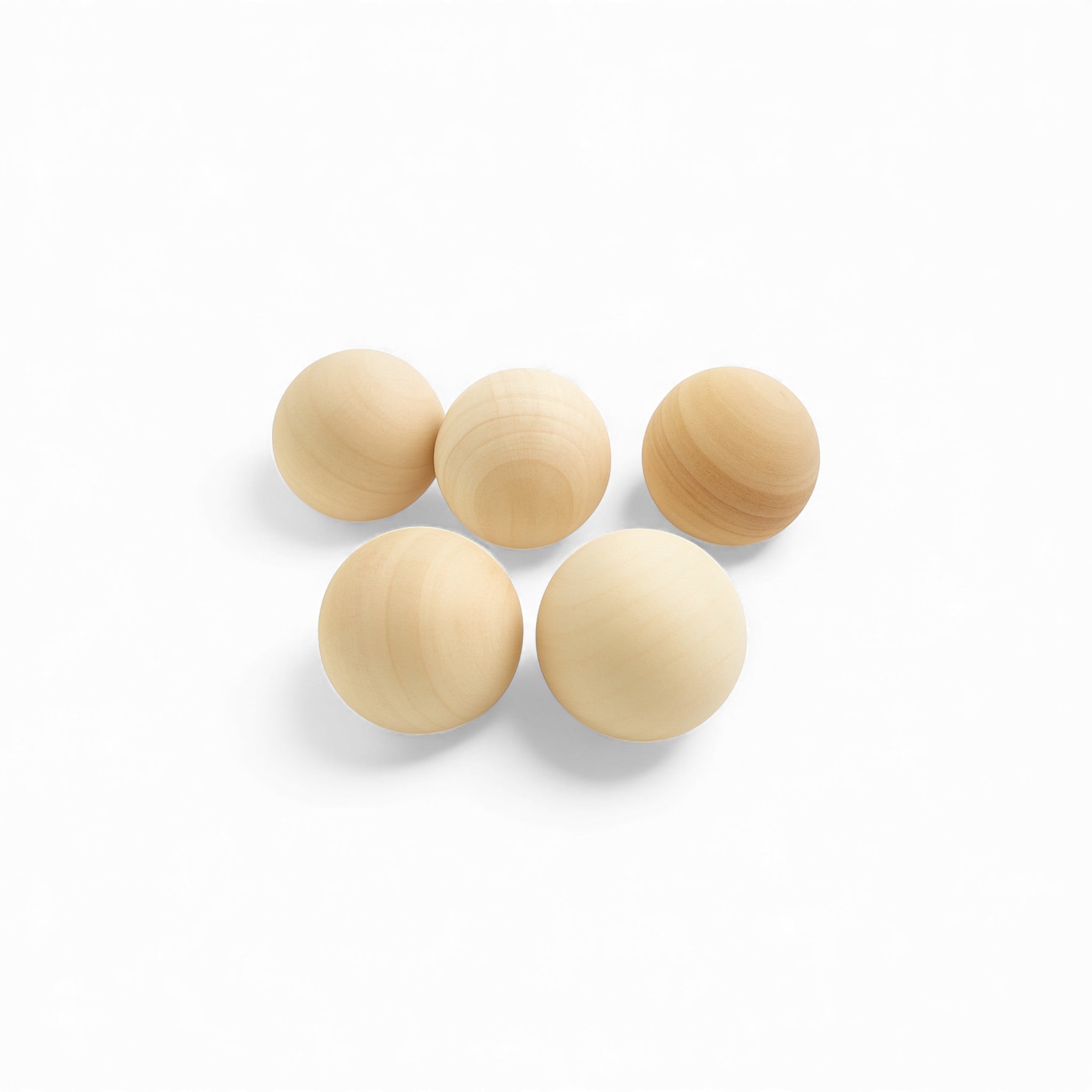
110 mm 8 Bocce Ball Set Bundle

Best for: backyard practice where time management is casual but relevant for teaching game pacing.
Bocce Rules for Timekeeping in Casual Play
Backyard bocce typically has no timekeeping. Games last as long as they last. This is fine for social play but not workable for scheduled tournaments.
Bocce Rules for League Play Timing
Local leagues typically use 45 to 60 minute game caps to fit multiple matches into an evening. The exact cap varies by league. Coverage of league timing patterns in Wirecutter broader recreation coverage confirms 45 to 60 minutes as typical.
Bocce Rules for Time Extensions
Some rulesets permit time extensions for injuries, disputes, or equipment failures. The judge grants the extension and adjusts the clock accordingly.
Bocce Rules for Delay of Game
Deliberately delaying the game to run out the clock is a delay of game violation. Judges warn and can impose penalties (forfeited throws or frames).
Bocce Rules for Media and Broadcast Matches
Matches broadcast for TV or streaming often use tighter time limits to fit broadcast windows. Shot clocks are more strictly enforced. The format prioritizes viewer engagement.
Bocce Rules for Youth League Timing
Youth leagues typically use shorter game caps (20 to 30 minutes) to match attention spans. Simplified pace-of-play rules keep games moving.
Bocce Rules for International Tournament Timing
FIB World Championship matches have specific timing protocols. Match caps are typically 60 minutes for singles, longer for doubles and triples. Shot clocks apply.
Why Buy Tournament Bocce from BuyBocceBalls
We carry tournament-tier sets used in USBF-sanctioned time-capped play. Every set ships from our US warehouse in one to two business days. For league or tournament players, our team can advise on regulation equipment.
Frequently Asked Questions
How long does a bocce game usually last?
45 to 60 minutes for tournament play. Casual games run 60 to 120 minutes with no cap.
Is there a shot clock in bocce?
Some competitive formats use 30 to 60 second shot clocks. Casual play does not.
What happens if a game ends at the time cap?
Team leading at the cap wins. Ties resolve by sudden death frames.
Does casual play enforce time rules?
Rarely. Backyard bocce is untimed by convention.
Can time be extended for disputes?
Yes. Judges grant extensions for injuries, disputes, or equipment issues.