Beginner bocce players treat the pallino throw as a warmup. Experienced players treat it as the frame's first strategic decision. Where you place the pallino affects which throwing techniques work, which opponents can compete effectively, and which court lanes matter. This guide walks through pallino placement strategy in 2026. For pallino equipment context see our Bocce Pallino Sizes, Colors, and Materials guide.
Key Takeaways
- Long pallino rewards strong throwers.
- Short pallino rewards precision players.
- Side pallino near court edges creates approach-angle advantages.
- The pallino must travel a minimum distance to be legal.
- Match placement to your team's throwing strengths.
The Pallino Placement Rules
The pallino must travel a minimum distance (typically 12 meters or half the court length) to be a legal throw. If it lands short, the opponent re-throws it. If it lands past the far line, the opponent re-throws. Placement within the legal zone is the strategic choice. For complete rules coverage see our Bocce Rules Explained for Beginners guide. The United States Bocce Federation Open Rules formalize the minimum distance and legal zone.
Regulation EPCO Pallino in Yellow

Best for: the tournament-standard yellow pallino. High visibility across any court surface for tactical placement decisions.
Placement Strategy 1: Long Pallino
A pallino placed near the far end of the court (approaching the maximum legal distance) rewards teams with strong throwers. Longer throws require more force, more control, and typically favor experienced players. If your team has better arm strength than the opponent, long placement compounds your advantage.
Placement Strategy 2: Short Pallino
A pallino placed near the minimum legal distance rewards precision players. Short throws are less about force and more about controlled release. If your team excels at soft rolling accuracy but not at long-throw force, short placement compounds that advantage. Coverage of tactical placement in Wirecutter broader outdoor game coverage consistently positions distance matching as an experienced-player skill.
Placement Strategy 3: Side Pallino
A pallino placed near the court's side rails creates approach-angle advantages for players comfortable with bank shots or off-center throws. The side placement forces opponents unfamiliar with angle throws to attempt techniques they have not mastered. For complete throw technique coverage see our Bocce Throw Techniques guide.
Placement Strategy 4: Center Pallino
A pallino placed dead center of the court is the neutral option. It rewards no specific throwing style and provides no team advantage. Center placement is the right choice when your team wants to play a fair position and let ball execution decide the frame. The Federazione Italiana Bocce sanctioned-play tradition includes center placement as the standard neutral option.
Reading the Opponent Before Throwing the Pallino
Before you throw the pallino, watch how the opponents warm up. Do they throw hard? Do they throw softly? Do they favor left-side or right-side approaches? The 30 seconds of observation informs your placement strategy. Beginners skip this step; competitive players never do.
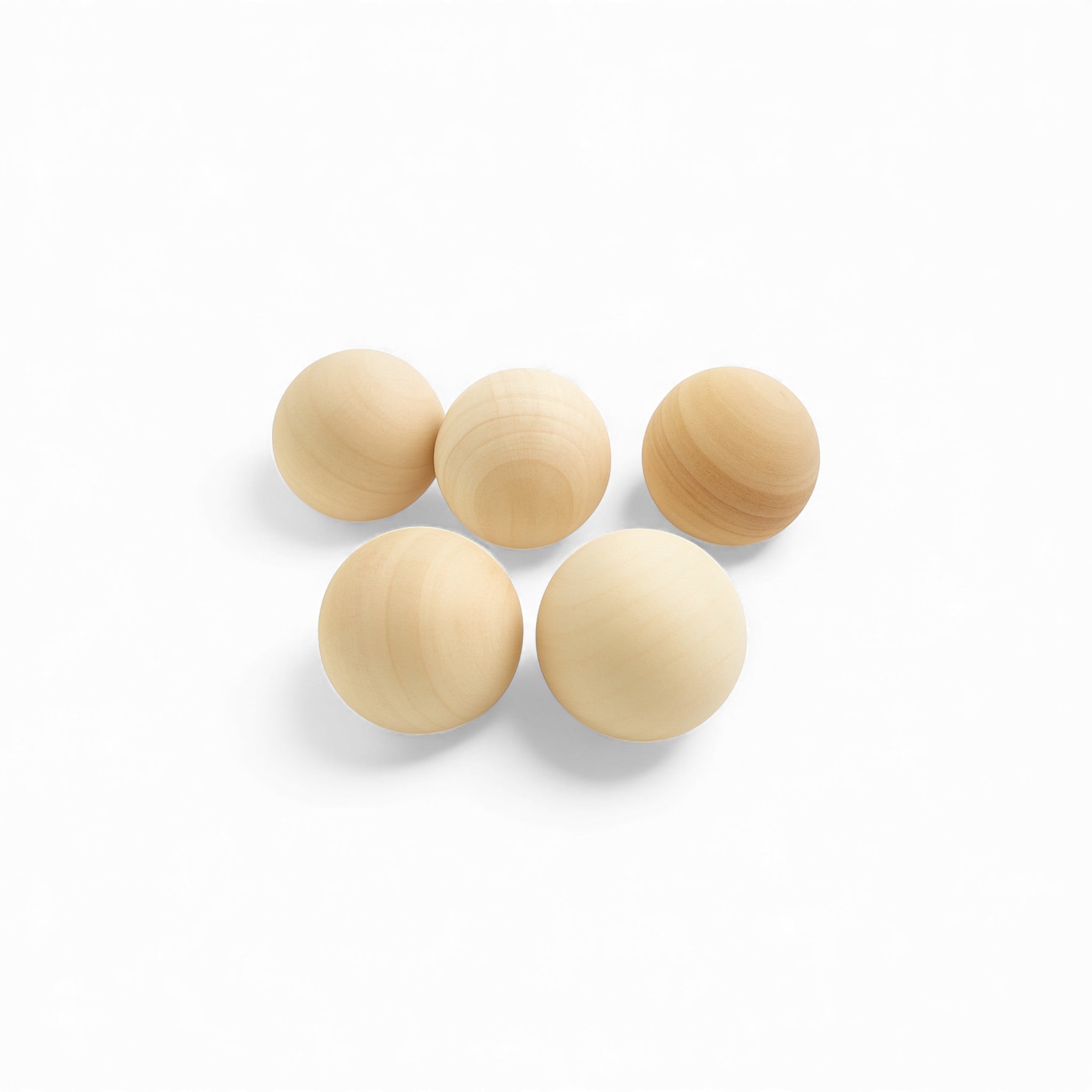
110 mm 8 Bocce Ball Set Bundle

Best for: practice bundles for developing pallino placement awareness. Resin construction supports repeatable placement drills.
Adjusting Placement Across Frames
Placement should adjust based on frame outcomes. If your team wins a frame with long placement, keep using long placement. If long placement produces losses, switch to short or side placement for the next frame. Tactical iteration across frames is where matches are won.
Pallino Placement in Doubles Format
In doubles, discuss placement with your partner before the throw. The placement affects both team members' throws. If you and your partner have different throwing strengths, choose placement that works for both. For complete format coverage see our Bocce Tournament Formats Guide.
Pallino Placement in 4v4 Format
4v4 format complicates placement because each team has four different throwing styles to consider. The captain typically makes the placement decision after informal team consultation. The trade-off between individual advantage and team consistency becomes central.
Legal Placement Zones by Court Length
On a regulation 60-foot court, legal placement runs from roughly 30 feet to 55 feet from the throwing line. On an 80-foot court, from 40 feet to 75 feet. On a casual backyard court, apply proportional zones based on total length. For court dimension coverage see our Bocce Court Dimensions Guide. Coverage of bocce in Britannica's entry on the game traces the historical development of court length standards that determine placement zones.
Common Pallino Placement Mistakes
Placing the pallino without a plan. Placing to the opponent's strengths (not knowing them). Placing the same way every frame regardless of outcomes. Placing outside the legal zone requiring re-throw. For complete mistake coverage see our Bocce Common Mistakes.
Why Buy Pallinos from BuyBocceBalls
We carry regulation pallinos in yellow, red, white, and mixed-color packs. Every pallino ships from our US warehouse in one to two business days. For league players developing placement strategy, our team can advise on the right pallino for the practice environment.
Frequently Asked Questions
Where should I throw the pallino in bocce?
Match placement to your team's throwing strengths. Long for strong throwers, short for precision players.
How far does the pallino need to travel?
Typically 12 meters or half the court length. The exact distance varies by league rules.
Can I place the pallino near the side rail?
Yes. Side placement creates approach-angle advantages for players comfortable with bank shots.
Does pallino placement really matter?
Yes. Placement shapes which throwing techniques work and which opponents can compete effectively.
Should I always throw the pallino to the same spot?
No. Adjust placement based on previous frame outcomes and opponent tendencies.