Bocce leagues occupy the space between casual backyard play and formal sanctioned tournaments. Weekly matches, a real roster, and a season standings sheet change how people practice, how they think about individual frames, and how they invest in equipment. This guide walks through what league play in 2026 asks of a player, from finding a program in your city through the multi-season arc that leads some players toward sanctioned tournament competition. For prior phase coverage see our Bocce for Recreational Players guide.
Key Takeaways
- League play adds a weekly competitive rhythm to whatever recreational bocce someone already plays, and the standings sheet reshapes how players approach practice and equipment.
- Most local seasons run eight to sixteen weeks with a round-robin regular season and a short playoff bracket at the end.
- Team rosters of four to eight players share throwing duties across the season and develop real communication practices over the first month.
- Season strategy operates on a longer horizon than single-match strategy, and roster management matters as much as any single throw across an eighteen-week arc.
- Tournament-tier equipment becomes the default at league level, with consistency between balls carrying more weight than the price tag on the box.
Finding a league and the shape of a season
Local leagues run through community centers, Italian-American clubs, park district recreation programs, and dedicated bocce clubs. Most seasons kick off in spring or fall, and registration typically opens four to eight weeks before the first match. Coverage of league discovery in United States Bocce Federation league materials confirms these are the primary pathways, and calling any bocce-adjacent organization within an hour of home will usually surface at least one active program by the second phone call.
A standard league runs with eight to sixteen teams. Weeks fill with head-to-head matches through a round-robin regular season, then a short playoff bracket seeds off the standings for the final two or three weeks. Champions get their name on something in the clubhouse, and most leagues also hand out a season MVP award voted by team captains. Format details shift between programs, and the underlying rhythm holds steady across the country.
Team rosters typically carry four to eight players. Multiple people share throwing duties across matches, which spreads the load and keeps the season sustainable through work travel, family commitments, and the occasional sick week. Roster flexibility lets captains rotate lineups without forfeiting matches, and most leagues codify who counts as a rostered player versus a substitute. For substitution rules see our Bocce Rules for Substitutions reference.
Scoreboard Indicator Replacements Red Yellow

Best for: league players who maintain scoreboard equipment through the season. Replacement indicators for weekly-use scoreboards.
Match nights typically run forty-five to sixty minutes. Some leagues time-cap the match and some point-cap it, and either way the game series is usually best-of-three or best-of-five. Weekly scheduling accommodates full-time work and family life, and most programs commit to a consistent night of the week so players can plan their calendars around it for the full season.
The first week of a new league is a small learning curve. Court dimensions vary between venues, house rules diverge on foot faults and dead-ball rulings, and captains introduce a rotation for the season. Any newcomer who shows up on time, reads the local rules sheet, and rolls with the first-week awkwardness usually finds themselves at home by the third match.
Team dynamics through the weekly rhythm
A single league match plays differently once the standings sheet is in front of everyone. Wins compound toward playoff seeding, individual frame totals matter for tiebreakers, and a captain thinks about roster energy at least as often as about the current point. Season strategy asks players to manage their throws with a long horizon, preserve their strongest lineups for playoff weeks, and rotate depth players through the regular season so the whole roster is ready when the bracket starts.
Team communication develops into a real practice over the first month of the season. Captains run pre-match huddles, teams talk between frames about how the opposing hitter is throwing, and most rosters end up with informal signal systems for reading the court while an opponent is at the line. For team communication depth see our Bocce Tips for Doubles guide.
Roles specialize as the season goes on. A team usually has one player who becomes the precision pointer, one who owns the power hitter role, and often a defensive blocker who reads the geometry of a frame better than anyone else on the roster. Role clarity means everyone knows who takes which throw in which situation, and that clarity translates directly into fewer wasted balls per frame across the year.
Practice time outside of match nights is where league teams separate. Two to three hours of weekly practice, split between team drills and individual technique work, is typical for competitive rosters. Team practice builds chemistry across the roster, and individual practice keeps personal skill from decaying between matches. Coverage of practice cadence in Federazione Italiana Bocce league materials confirms this two-track pattern is standard in the European club system too.
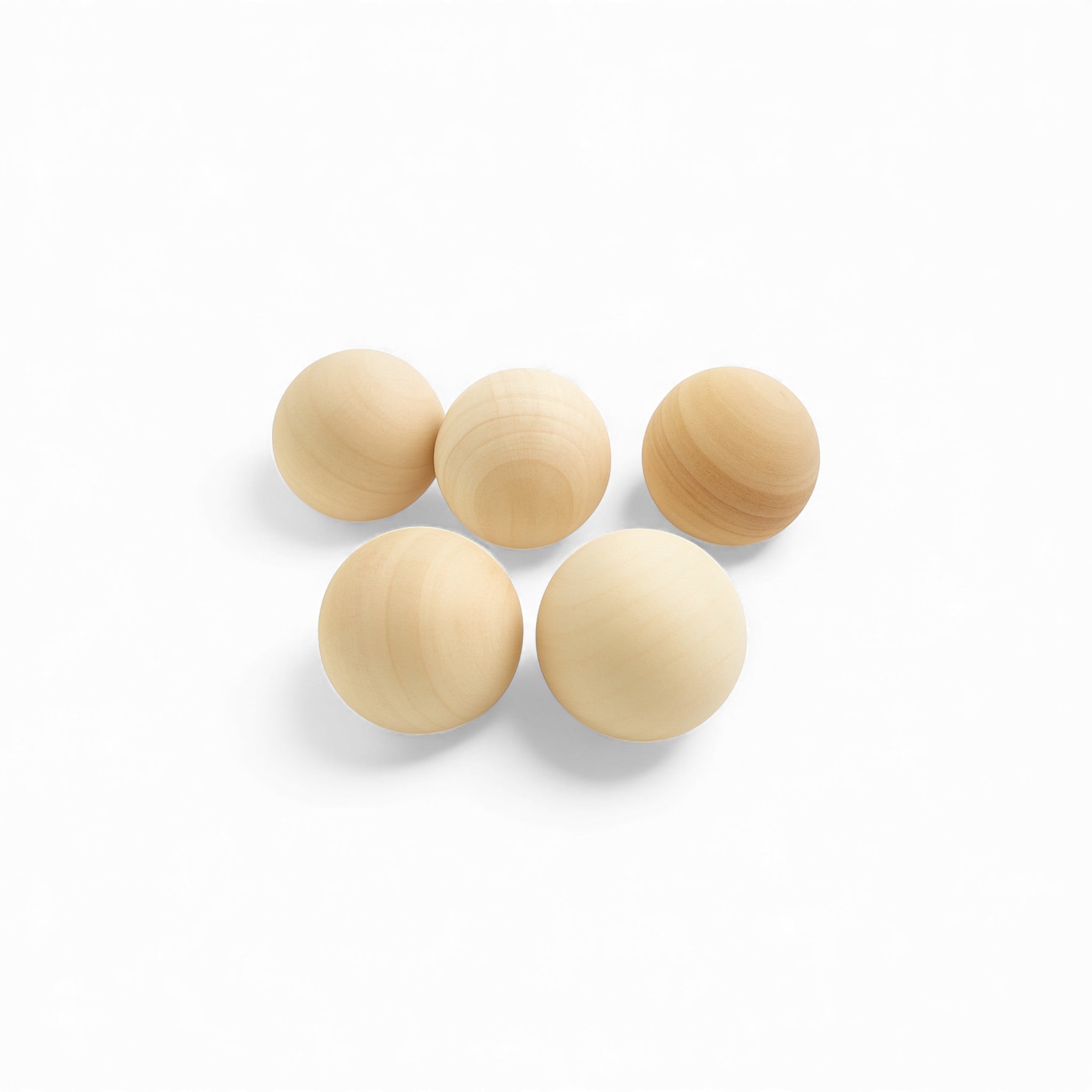
110 mm 8 Bocce Ball Set Bundle

Best for: league practice set at accessible price. Complements tournament-tier competition sets for weekly team training.
Most competitive teams designate a captain and sometimes bring on an outside coach. The captain manages the roster, keeps the schedule current, and finalizes lineups for match night. The coach, when present, focuses on technical development and drill design. Both roles support team success across a long season, and captains who delegate cleanly to a coach usually run better teams than captains who try to hold every job themselves.
Equipment, sportsmanship, and the multi-season arc
Equipment expectations rise once someone joins a league. Tournament-tier balls with certified diameter and weight tolerances become the norm, EPCO 107 mm or an equivalent set is what most competitive rosters use, and teams often invest in a second backup set for contingency. Colors tend to match team identity where the league allows it. Coverage of league equipment in Wirecutter broader team sports coverage confirms tournament-tier as the accepted standard once weekly competition enters the picture.
Sportsmanship standards are enforced socially in most leagues and formally in a few. Respect for opponents, quick acceptance of judge rulings, and honest congratulations after a loss all compound across the season. A player who complains about calls in week two of an eighteen-week season has already made the rest of the year harder for the rest of the roster, and captains lean on newcomers to internalize league etiquette early.
Playoff preparation starts about three weeks before the bracket begins. Peak roster health matters more than any single practice night, so captains often trim volume and increase pressure situations in practice. The playoff mindset builds from week fifteen forward, and teams that treated the regular season as scrimmage material sometimes struggle with the compressed intensity of a single-elimination bracket.
Team chemistry compounds across a full season, and it keeps compounding across multiple seasons more than most rosters expect. Consistent lineups, regular practice together, and social bonding beyond match nights all feed into a competitive advantage that opposing teams cannot easily replicate. Coverage of team chemistry in Britannica's entry on bocce places league dynamics inside a long European club tradition, and rosters that survive three or four seasons together tend to hit competitive peaks that reward the patient investment.
Individual league players tend to develop across a multi-year arc. Year one is about learning the format, the venues, and the local house rules. Year two builds team chemistry and turns a roster into a real unit. Year three is when competitive teams push for championships, and by year four the strongest players in a league are often thinking about tournament play. The USBF sanctioned event calendar, regional championships, and national qualifiers open up naturally to league veterans who want the next step. For tournament coverage see our Bocce for Tournament Players guide.
Why Buy League Bocce from BuyBocceBalls
We carry the tournament-tier EPCO sets that most competitive local leagues use, along with the 110mm bundle that captains keep in the trunk as a practice set for weekly team drills. Every order ships from our US warehouse in one to two business days, and league teams that need team-set configurations or matched color specs can reach us directly for planning support before a season kicks off.
Scoreboard indicator replacements, engraved pallinos, and other league-specific accessories round out the catalog, so a captain planning a full season of home matches can source everything from one place instead of piecing together supplier orders across three or four sites.
Frequently Asked Questions
How do I find a bocce league?
Community centers, Italian-American clubs, park districts, and dedicated bocce clubs.
How long is a bocce league season?
8 to 16 weeks typical.
How many players on a league team?
4 to 8 typical, with roster flexibility for absences.
Do league players need tournament-tier equipment?
Yes typically. Consistent balls support competitive play.
How much practice do league players need?
2 to 3 hours weekly beyond matches.