Bocce etiquette covers six main areas: who throws when, how to handle the pallino, what to do during the opposing team's throw, how to resolve close calls, how to behave around food and drink near the court, and how to interact with established league regulars when you're new. Most of these conventions developed at Italian-American clubs over the past century and persist at sanctioned league venues today. None of them are in the rule book, but breaking them marks you as a newcomer in a way that affects how the regulars treat you.
The good news: bocce etiquette is forgiving compared to other club sports. Regulars at most venues will quietly correct a newcomer's behavior the first time and welcome them back. The friendly social character of the game extends to its conduct norms. According to the United States Bocce Federation, the cultural traditions around sanctioned play emphasize hospitality toward newcomers as a core value, which is part of why the game has spread across so many US cities since the 1970s.
Key Takeaways
- Throw order matters: whichever team is currently losing the frame rolls next, not whichever player feels ready.
- The pallino is sacred: don't touch it during play, don't knock it deliberately unless the rules specifically allow.
- Stand back during opposing throws; don't talk, move, or stand in the throwing line of sight.
- Close calls go to the measuring device, not eyeball estimates; bring out the tool quickly to keep play moving.
- Food and drink stay 20+ feet from the throwing line; bocce balls drift and the playing surface is no place for spills.
Throw order: who goes next
The most-misunderstood etiquette point: throw order in bocce is determined by score within the frame, not by alternating turns. The team currently losing the frame (their nearest ball is farther from the pallino than the opposing team's nearest) rolls next, and keeps rolling until they get inside the opponent's nearest ball. Then the other team rolls.
If both teams have used all their balls, the frame ends. The team that scored last throws the pallino for the next frame. Newcomers often try to alternate turns one-for-one, which slows play and confuses the regulars. The right move is to track the position of the nearest balls visually and roll only when your team is losing the frame. According to Encyclopedia Britannica's entry on bocce, this losing-team-rolls-next convention is one of the defining mechanics of the modern game and dates back to early-twentieth-century Italian codification.
Pallino courtesy
The pallino is the small target ball thrown first. Three etiquette points: don't touch it during a frame (even to clean it off), don't knock it deliberately with a regular bocce ball unless the rules specifically permit it in your league's variant, and don't argue if the opposing team disagrees about whether your throw of the pallino is in-bounds or not.
The pallino throw itself has subtle etiquette too. Toss it under-handed and aim for roughly the center-line in distance. Throwing the pallino very short or very long is sometimes used strategically, but at most clubs it reads as either bad form or sneakiness. When in doubt, throw the pallino to a reasonable middle distance and let the rest of the frame play out.
Conduct during opposing throws
Stand at least 6 feet behind the throwing line during the opposing team's throws. Don't talk, don't move suddenly, don't stand directly behind the thrower in their peripheral vision. Many newcomers chat with teammates during opposing throws; the regulars notice and find it disrespectful even if no one says anything.
The exception is partner consultation in doubles play. A brief whisper to your partner during your opposing team's setup is fine, but stop talking once the opposing player is in their actual release motion. The 5 to 10 seconds of release silence is the most-observed etiquette norm at established clubs. Coverage of competitive bocce conduct in Outside Magazine has noted that the silence-during-release convention is one of the few conduct norms that extends beyond bocce into pétanque and Italian volo as well.
Resolving close calls
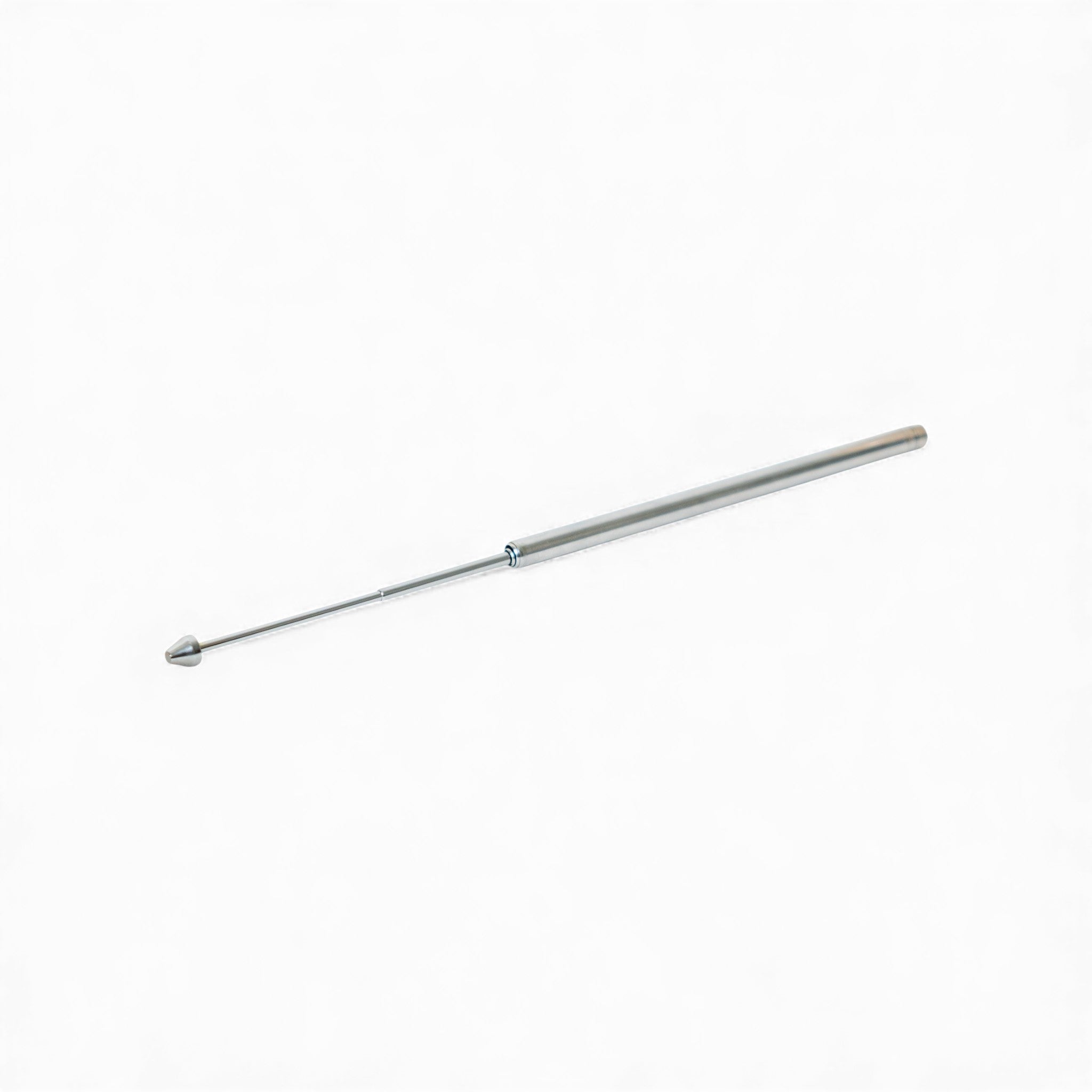
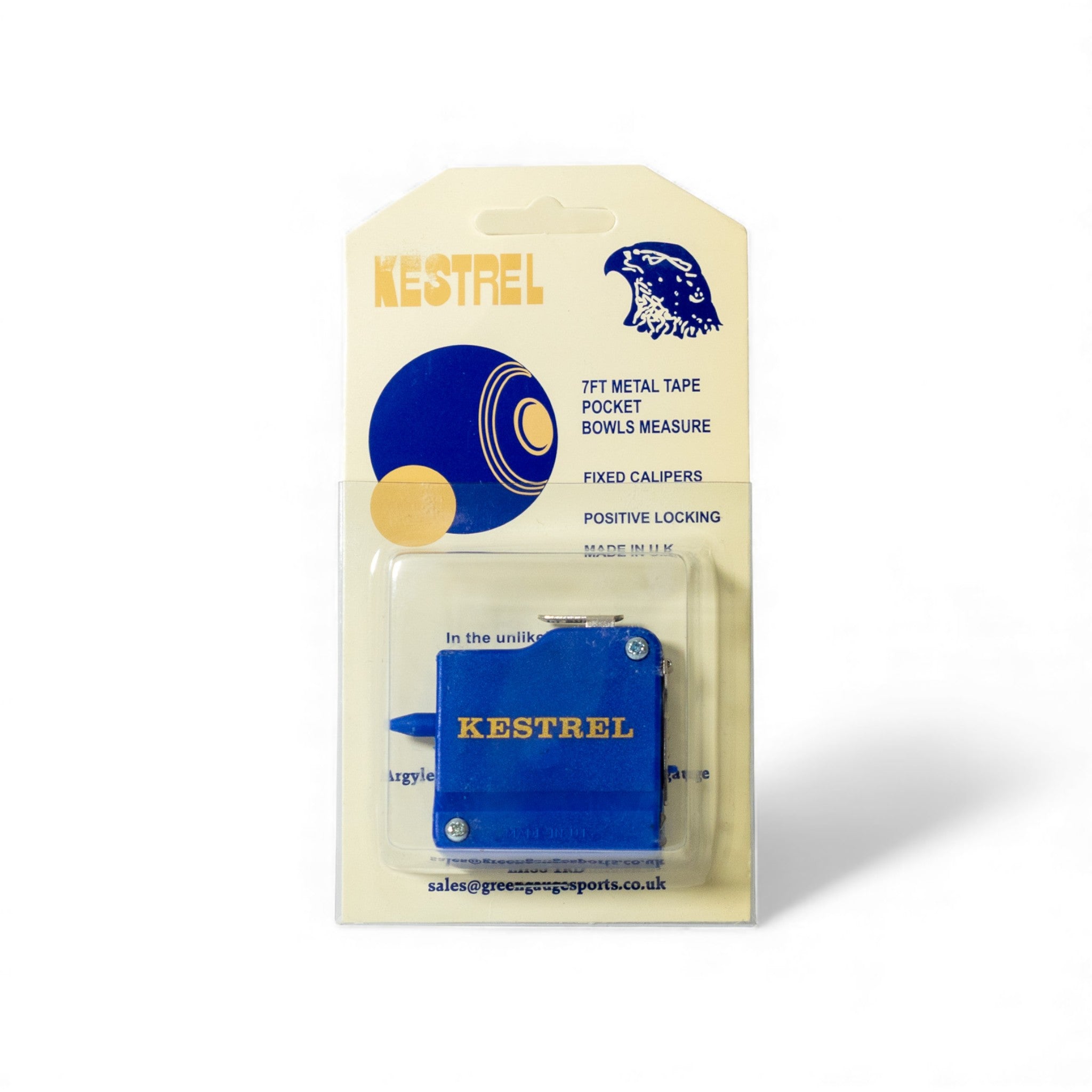
When two balls land near-identically close to the pallino, stop play, use a measuring device, and let both team captains observe the read. Don't argue, don't eyeball-estimate, don't pressure the opposing captain to concede. The Extendable Measuring Device ($20) or any tape measure resolves the question in 30 seconds and keeps the game moving.
If your team is losing the close call and you disagree with the measurement, the etiquette is to accept the read and move on. If you genuinely think the measurement was wrong (a tool error rather than a judgment call), ask for a re-measure once, calmly. According to the Federazione Italiana Bocce tournament rules, measurement is the standard close-call resolution at every sanctioned level, and accepting the read is part of league sportsmanship.
Food, drink, and court space
Food and drink belong off the court, ideally 20 feet from the throwing line. Bocce balls drift across side lines, opposing-team rolls cross your team's space, and any spill on a stone-dust or decomposed-granite court takes hours to dry. The convention at most clubs is a side table for food and a separate cooler for drinks well away from the playing area.
Beer and wine are widely tolerated and even expected at most casual bocce venues; the etiquette is to keep glasses off the court itself. At sanctioned league play, the conduct norm is no glass on the court strip at all, and at some venues no glass containers in the surrounding area. Check the local norms when you join a new venue. Coverage of bocce-and-beer culture in New York Times food coverage has highlighted the natural pairing of casual bocce with beer-and-pizza after-work gatherings.
Interacting with established regulars
Every long-running bocce club has a core of regulars who have been playing together for decades. As a newcomer, the etiquette is to introduce yourself briefly, ask if there's a casual roll-up open to newcomers (most clubs have one), watch a frame or two before joining play, and accept the regulars' guidance on local conventions. Don't show up with strong opinions about the right way to play; the regulars already know what works at their court.
Once you've played a few times and the regulars know your name, you're effectively a member of the casual crowd. The transition takes weeks to months depending on the venue. Italian-American social clubs are typically warmer to newcomers than they appear from the outside; the gruff exterior is a manner, not a barrier.
Equipment that supports good etiquette
1. Bocce Rule Book: Official Open Rules

Best for: resolving edge-case rules disputes without dragging in the opposing captain's opinion.
The 15-dollar rule book documents the USBF Open Rules in full, including the conduct points around pallino re-throws and the close-call resolution procedure. Useful for any newcomer who wants to handle a dispute by citing the written rules rather than arguing personal interpretation. Carry it in the bag for league nights.
2. Extendable Measuring Device

Best for: keeping play moving when close calls would otherwise become arguments.
The Extendable Measuring Device at $20 resolves close-call frames in 30 seconds. Bringing out the measuring device quickly signals to the opposing team that you respect the resolution procedure and aren't going to argue an eyeball call. The single highest-return etiquette investment at any league venue.
3. EPCO 107mm Tournament Set, Rustic Green/Blue

Best for: joining established league play with a regulation tournament set rather than a backyard kit.
The EPCO Rustic Green/Blue tournament set at $275 is the right gear for league-night play. The rustic Italian-club traditional colorway reads as appropriate at established venues, the 107mm regulation diameter matches league spec, and the carry bag keeps the set protected during transit. Showing up at a new club with a tournament-grade set is part of the etiquette: it signals respect for the venue's standards.
Why buy from BuyBocceBalls
We carry the regulation 107mm tournament sets, measuring devices, and rule books that support good league-night conduct. Most US orders ship in two to four business days from US warehouses. Browse the full bocce ball collection for tournament-grade sets and league accessories.
Frequently asked questions
What is the most important bocce etiquette rule?
Throw order: the team currently losing the frame rolls next, not whichever player feels ready. Most newcomer etiquette errors come from this single misunderstanding.
Is it okay to drink alcohol while playing bocce?
At most casual venues, yes. At sanctioned league play, typically yes but with no glass on the court strip itself. Check local conventions when joining a new venue.
How do I handle a disputed close call?
Use a measuring device, accept the read, and move on. If you genuinely think the measurement was wrong, ask for a re-measure once, calmly. Eyeball estimates are not used at sanctioned league play.
What do I do as a newcomer at a Italian-American bocce club?
Introduce yourself briefly, ask if there's a casual roll-up open to newcomers, watch a frame or two before joining, and accept the regulars' guidance on local conventions. Most clubs welcome newcomers warmly despite the gruff first impression.