Bocce and croquet are often grouped together as classic lawn games, but the two have very different equipment, rules, and origins. Bocce uses spherical balls rolled toward a target. Croquet uses mallets to drive balls through wickets in a set sequence. Both games are played on grass and both reward strategy over raw athleticism, which is roughly where the similarity ends. This guide walks through the practical differences in 2026 to help you decide which game fits your yard, your group, and your equipment budget.
Key Takeaways
- Bocce is a target-and-roll game. Croquet is a wicket-and-mallet game.
- Bocce equipment is balls and a pallino. Croquet equipment is balls, mallets, wickets, and stakes.
- Bocce courts run 60 to 91 feet. Croquet courts vary widely, with US backyard play typically using a smaller setup.
- Bocce is faster to learn. Croquet has a steeper rule learning curve with multiple format variations.
- Bocce equipment is generally simpler and more compact to store.
The Equipment Difference
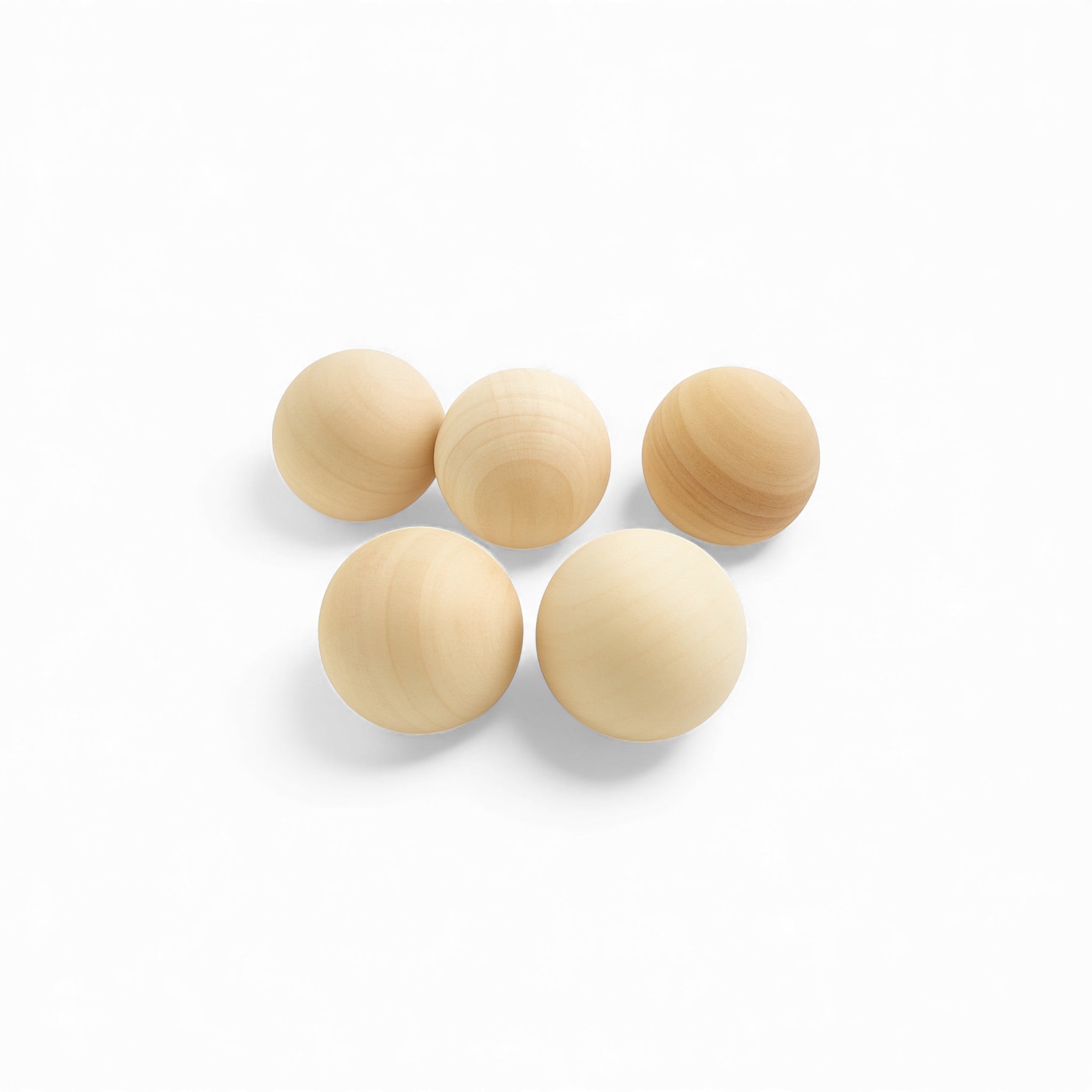
Bocce uses eight balls plus a small target ball called the pallino. The balls are typically 107 mm in regulation play, 110 mm or 114 mm in backyard sets, and 73 mm in metal pétanque-style travel sets. The equipment fits in a single carry bag. Croquet uses six or nine balls plus matching mallets, plus wickets that get pushed into the ground, plus two stakes. The complete croquet set takes more space to store and more time to set up.
The roll versus strike difference matters for play style. Bocce rewards finesse on the throw. Croquet rewards precise mallet control on a strike. Coverage of classic outdoor recreation in Britannica traces both games to long European traditions but with distinct origins and rule families.
107 mm 8 Bocce Ball Set Bundle

Best for: households choosing bocce over croquet for the simpler equipment and faster setup.
Court and Playing Surface
Bocce courts in regulation play run 60 to 91 feet long by 8 to 13 feet wide. Backyard bocce works on a much smaller footprint, with any flat 30 to 60 foot grass area accommodating casual play. Croquet courts are wider and typically less standardized in backyard settings. American backyard croquet uses a nine-wicket layout that fits a 50 by 100 foot area. The smaller court footprint makes bocce easier to fit in most US yards.
Surface quality matters differently for each game. Bocce is most consistent on packed clay, oyster shell, or fine gravel, with grass adding mild variability. Croquet wants a cut and rolled grass surface that lets the ball travel smoothly through wickets. A yard suited to bocce is not automatically suited to croquet, and vice versa.
The Rules in Brief
Bocce rules are straightforward. One team throws the pallino, then both teams take turns rolling balls toward it. The closest ball to the pallino scores points for that team. Games run to 12, 15, or 21 points. The United States Bocce Federation publishes the standard rules for sanctioned play. International tournament play follows the Federazione Italiana Bocce specifications.
Croquet rules vary by format. The American Six-Wicket version follows a complex set of bonus shots and wicket-clearing rules. The Nine-Wicket backyard version is simpler. Both formats require players to advance through a wicket sequence and finish at the stake. The learning curve for new players is meaningfully steeper than bocce.
Pace of Play
A typical bocce game runs 30 to 45 minutes from setup to finish. Casual backyard games can be faster. A typical backyard croquet game runs 45 minutes to over an hour depending on the format and skill level. Bocce suits gatherings where the game runs as a side activity to conversation and food. Croquet rewards more focused attention from players, which fits different social contexts.
Storage and Travel
A bocce set fits in a single carry bag that stows in a closet, garage, or car trunk. A croquet set is bulkier because of the mallets, wickets, and stakes. For RV trips, beach days, or travel, bocce travels much more easily. Compact metal pétanque-style bocce sets fit in a daypack, which has no equivalent in croquet.
73 mm Metal Bocce/Petanque 6-Ball Set

Best for: travel, beach, and gravel play where croquet equipment would be impractical.
Cost Comparison
Recreational bocce sets run $30 to $80. Tournament-grade resin bocce runs $250 to $325. Croquet sets span a similar range, with recreational sets at $40 to $100 and tournament-grade sets at $200 to $500 depending on materials. The cost comparison is roughly even at each tier. Coverage in Wirecutter on outdoor recreation gear consistently places both games in similar price-to-quality tiers.
Which Game Fits Your Yard
Bocce wins on practicality for most US backyards. The court footprint is smaller. The equipment is simpler. The rules teach in five minutes. Storage is easier. For households choosing one yard game, bocce is the more accessible pick.
Croquet wins for households that want a more strategic game, have the yard space for it, and enjoy the longer learning curve. The aesthetic of a croquet set on a manicured lawn is also undeniably distinct.
Why Buy Bocce from BuyBocceBalls
We carry the full range of bocce sets across tournament-grade, mid-tier backyard, and travel-friendly metal sets. Every set ships from our US warehouse in one to two business days. Engraving is in-house in the United States. We do not carry croquet equipment, so if croquet is the game you want, a dedicated croquet retailer is the right channel.
Frequently Asked Questions
Is bocce easier than croquet?
Yes. Bocce rules teach in five minutes. Croquet has a steeper learning curve across multiple format variations.
Which game requires less yard space?
Bocce. The court footprint can fit in a 30 to 60 foot flat grass area, smaller than a typical croquet setup.
Which game has simpler equipment?
Bocce. Eight balls plus a pallino versus six to nine balls plus mallets plus wickets plus stakes.
Can I play bocce on a croquet lawn?
Yes. A grass surface suited to croquet works for casual bocce, though tournament play prefers packed clay or oyster shell.
Which game is more popular in the United States?
Bocce, by a moderate margin. Croquet has dedicated club communities but a smaller overall US footprint.