For beach and sand bocce, choose a 73mm metal pétanque-style set rather than the 107mm resin sets built for prepared courts. The smaller diameter cuts drag on shifting sand, the metal shell sheds saltwater after a rinse, and a 6 or 8-ball collection fits a single tote that survives a back-seat commute or a long beach walk.
Beach play has a long Mediterranean pedigree. The Italian governing body for the sport, the Federazione Italiana Bocce, recognises both the larger raffa and volo formats used on dressed courts and the smaller metal boules variants that travel well to coastlines. On loose sand, equipment matters more than the rule book. An underweight composite ball plugs into the surface, and a glossy resin sphere pits from salt spray inside a single warm-weather season.
Key Takeaways
- 73mm metal boules outperform 107mm resin on sand because they sink less, weigh more for their size, and shed water.
- Sand-grey and matte finishes mask the small surface scratches that loose sand causes over time.
- A 6-ball set covers two players plus a target jack and fits one tote with room left for a polish cloth.
- Rinse with fresh water within an hour of saltwater exposure to prevent pitting and dulling.
- Store dry inside a vented cloth bag, and never in a sealed plastic case where trapped moisture can corrode the alloy.
Why 73mm metal beats 107mm resin on sand
The 107mm resin ball is the regulation choice on a prepared bocce court, sanctioned by the FIB and the United States Bocce Federation and weighing around 920 grams. Encyclopedia Britannica's bocce overview describes the modern court game as a rolled, ground-based competition played on a dressed surface, typically crushed oyster shell or stone dust, where a uniform roll is the entire point.
On a beach you lose the prepared surface, and the rest of the sport has to adapt. A 107mm resin ball is shaped to roll across packed grit. Drop it onto soft sand and you watch the leading edge plough rather than turn. The ball stops within a meter of its release. Players quickly give up trying to keep score because the random plug makes positioning luck rather than skill.
A 73mm metal ball solves the geometry. It is denser per unit of footprint, so it sinks less and carries more forward momentum across the same patch of sand. It is also closer in size to a pétanque boule, which is the sport that grew up on loose surfaces along the southern French coast.
What to look for in a beach bocce set
Weight and material come first. Look for sets in the 600 to 800 gram range per ball, made from stainless or carbon steel alloy. Light plastic or composite sets save money, though they bounce unpredictably on uneven sand. You will replace them within a season once one cracks against a piece of driftwood.
The finish matters more than buyers expect. Polished mirror finishes show every scuff after one game on a beach with shell fragments. Matte, sand-grey, and sandblasted finishes hide the wear and keep the set looking presentable across many summers. Engraved patterns also help players identify their own balls from across a sun-glared playing area.
Pack-out logistics decide whether a set lives in the car. A dedicated carry bag with reinforced stitching is worth the small additional cost. Toss a set into a regular beach bag and the balls knock against sunglasses, water bottles, and phones, scratching everything inside.
According to Encyclopedia Britannica's pétanque entry, the sport's origin in Provence in the early twentieth century specifically called for stationary throwing from a small circle, the technique that translates directly to beach play where rolling is unreliable. If you know how to throw a pétanque boule, you already know how to play beach bocce.
Four sets that actually work on sand
1. 73mm Metal Petanque Boules 3-Ball Set Sand Grey

Best for: solo travellers and beach weekenders who want a single player's set in a finish that hides scuffs.
This 73mm Sand Grey 3-Ball Set covers one player. The neutral matte tone reads as quietly premium against a sand background, and the colour disguises the small scratches that any beach use inevitably creates. Pair two sets together for a doubles game on the shore.
2. 73mm Metal Petanque Boules 4-Ball Set Sand Grey

Best for: two-player head-to-head matches on a beach without pooling sets with a partner.
The four-ball configuration is the standard pairing for a quick beach session, since each player ends a frame having thrown all four of their boules in alternation. The Sand Grey 4-Ball Set shares the same forgiving matte finish, scaled up for two-player play.
3. 73 mm Metal Bocce Petanque 6-Ball Set

Best for: three-player rounds and larger family beach outings.
Three balls each for three players keeps frames moving on a busy beach where a clean run is rare. The 6-Ball Set ships with engraved patterns that distinguish each player's pair, which matters once everyone's boules end up partially covered in sand.
4. 6-Pack Boules Bag

Best for: protecting a 6-ball set during car commutes, beach walks, and storage between sessions.
A dedicated carry bag is the easiest accessory upgrade you can make for beach play. The 6-Pack Boules Bag keeps grit off the metal, prevents scratches against other beach gear, and gives the set somewhere to dry between outings. The bag also makes the kit easy to grab when friends suggest a last-minute coastal afternoon.
Care after a saltwater session
Saltwater is the single biggest enemy of any metal ball collection. Within an hour of leaving the beach, rinse each boule under cool fresh water and wipe with a microfiber cloth. The combination of salt crystals and trapped moisture causes pitting in days, not months, on lower-grade alloys.
Store the set in a vented cloth or canvas carry bag once it is fully dry. Never seal a damp set into a hard plastic case, which traps humidity against the metal and accelerates corrosion. If you play often along the coast, a light coat of food-safe mineral oil once a season slows surface oxidation noticeably.
A small polishing cloth, kept inside the bag, doubles as a hand wipe after frames and as a finishing buff before storage. Players who only play on grass can skip the rinse step, though sand still scuffs the surface in ways that justify a quick wipe-down.
Where beach bocce thrives
The Mediterranean coastlines of France and Italy still set the cultural reference. In Nice, Marseille, and along the Italian Riviera, casual pétanque and beach bocce remain summer staples in public squares and on the sand. The New York Times travel section has covered the rhythm of French boules culture across several Provence pieces over the years, and any Riviera visit offers a chance to watch the technique in person.
Closer to home, beach bocce communities exist along the Florida Gulf Coast, parts of southern California, and Cape Cod, where Italian-American clubs organise informal weekend rounds. Bocce-friendly venues in coastal cities now host indoor sand-blended surfaces year-round. The game travels well wherever players are willing to bring a small set and improvise a flat patch of ground.
A short read at BBC Travel on Côte d'Azur visiting culture is a useful primer for buyers planning a vacation that includes beach play. The pace tends to be slower and more social than tournament bocce, which is part of the appeal.
Why buy from BuyBocceBalls
BuyBocceBalls carries the full active 73mm metal pétanque range, including the sand-grey, matte, and sandblasted finishes that hide beach wear, alongside carry bags sized for 3, 6, and 8-ball sets. Each set ships from a US warehouse, which means coastal players in the Sunbelt and the Atlantic seaboard receive equipment ahead of an upcoming weekend rather than waiting on an international shipment. Browse the full collection of bocce and pétanque sets for size comparisons, including the larger 107mm resin sets if you also play on a prepared court at home.
For background on the smaller metal boules format and how it pairs with a beach kit, our companion article on the best pétanque sets for beginners in 2026 walks through grip, throw, and stance for new players.
Frequently asked questions
Can you really play bocce on a sandy beach?
Yes, with the right equipment. Use a 73mm metal pétanque-style set rather than a 107mm resin set. The metal balls sink less, carry more forward momentum on loose sand, and travel well to and from the coast in a carry bag.
What size bocce balls work best on sand?
73mm metal boules are the practical answer. They are dense, compact, and pair well with the throw-from-a-circle technique that pétanque uses on loose surfaces. The 107mm resin balls used on regulation courts plough into sand and stop within a meter.
Will saltwater damage metal bocce balls?
Untreated saltwater causes pitting on lower-grade alloys within days. A quick rinse with fresh water and a dry wipe-down within an hour of beach play prevents most damage. Storage in a vented cloth bag rather than a sealed case also helps.
Should I bring a target ball to the beach?
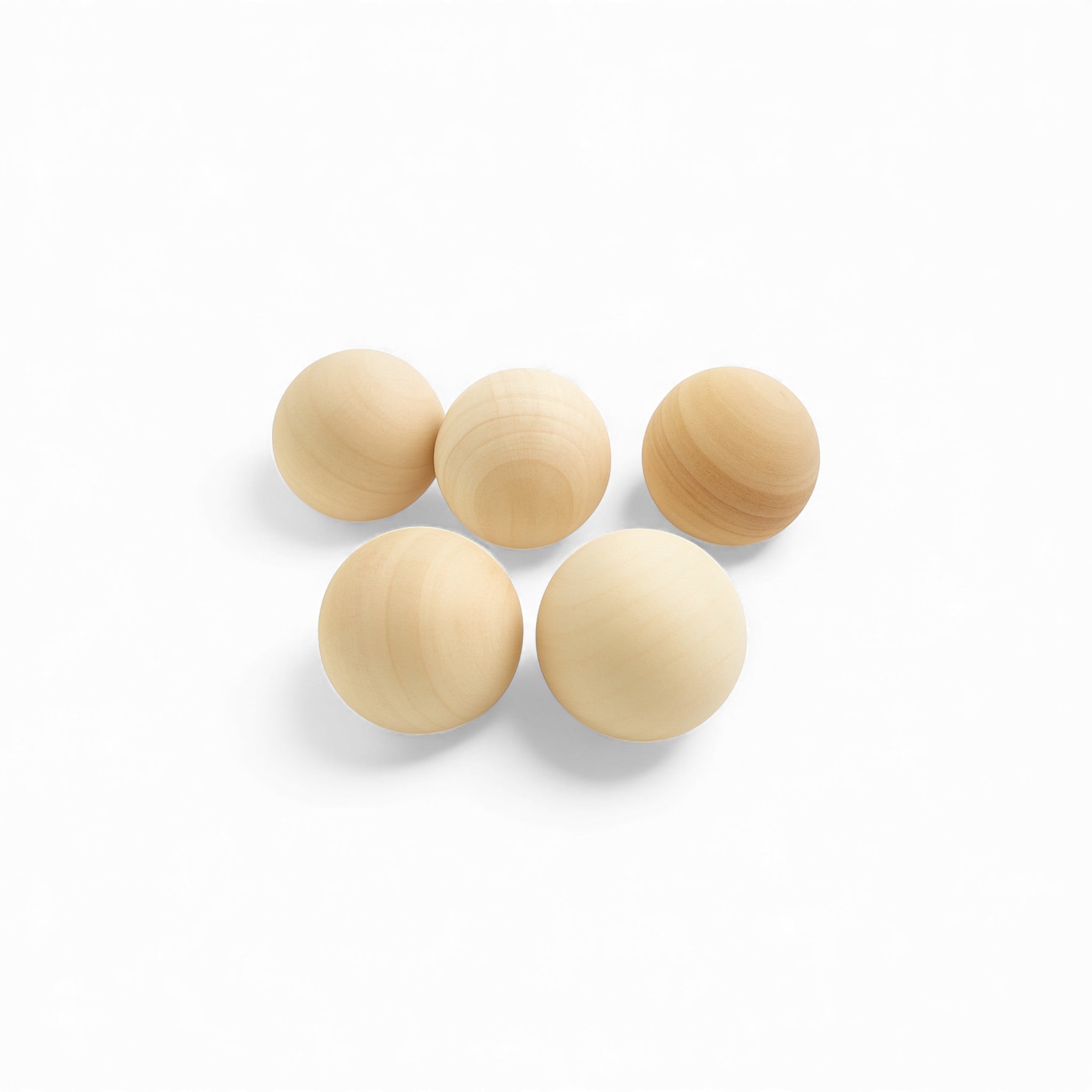
Always. The smaller jack or pallino is the entire point of the game. A 30mm wooden jack works well on sand because its lighter weight keeps it from disappearing into a divot when it lands. Pack one inside the carry bag so you do not forget it.
How many players can share one beach set?
A 3-ball set covers solo practice or a partner pass-back. A 4-ball set covers true head-to-head play between two people. A 6 or 8-ball set covers a group of three or four, the typical weekend beach gathering size. Bring the largest set you can carry.