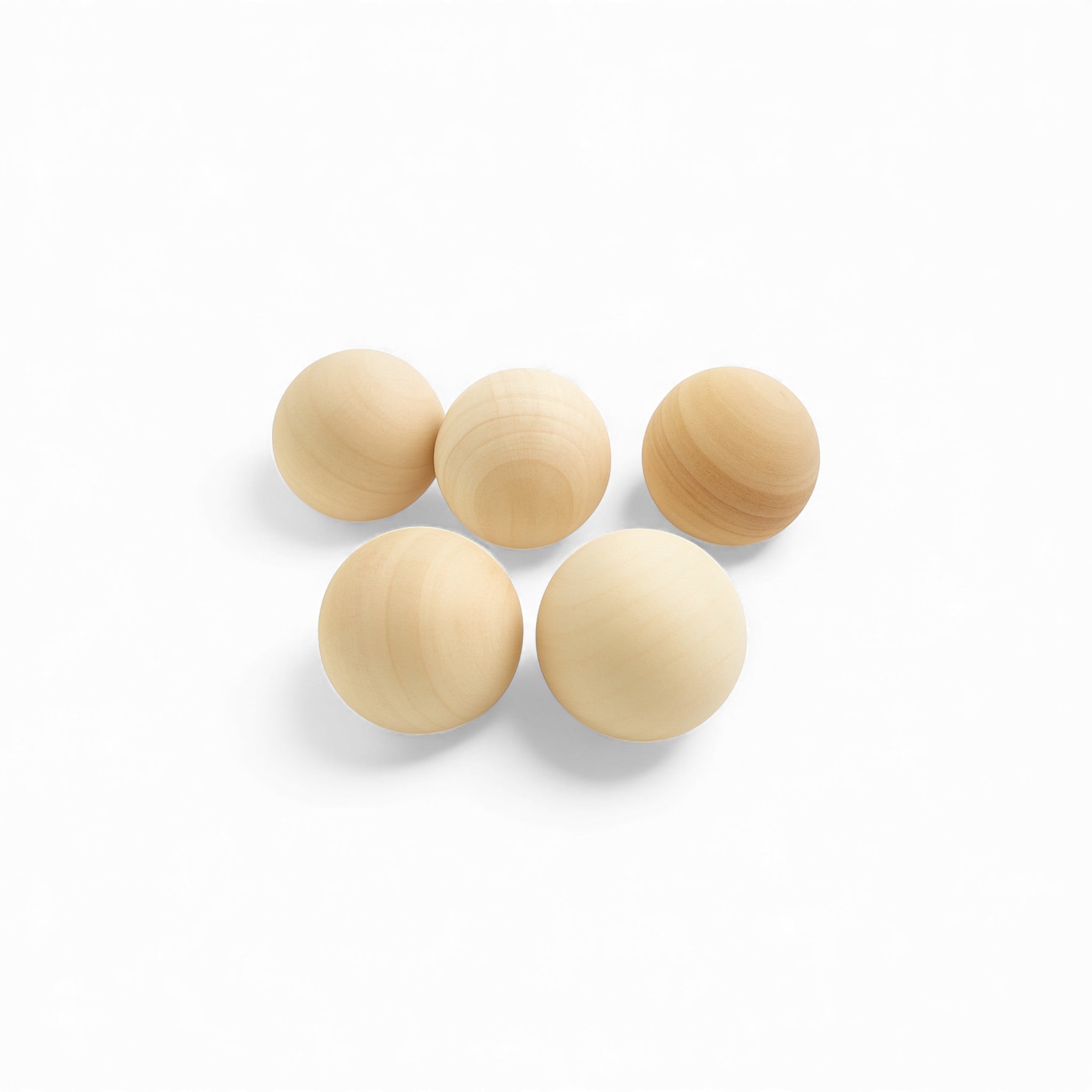
The best bocce pallinos for serious play are regulation EPCO pallinos in red, yellow, or white. These small target balls measure roughly 40 to 50 millimeters across, weigh much less than a full-size bocce ball, and match the balance of the EPCO 107 millimeter tournament range used by most US clubs. Backyard players who do not need tournament behavior can simply pick the highest-visibility color so the target stays easy to see on grass or in fading evening light.
A worn or under-spec pallino quietly ruins a frame. If the target is too light it skips on hard courts; if it is chipped or out of round it slumps off-line and refuses to settle where you aimed. The Encyclopedia Britannica entry on bocce describes the pallino as the small target ball that defines every shot of the frame, which is why even casual yard players benefit from owning a properly sized regulation pallino rather than relying on whatever target came in a discount set.
Key Takeaways
- Regulation EPCO pallinos sold in the US are typically 48 millimeters across and are recognized by USBF clubs nationwide.
- The most common pallino colors are white, yellow, red, and orange; pick the color that contrasts most clearly with your court surface.
- A replacement pallino runs about $20 and is one of the cheapest upgrades a backyard set can get.
- Engraved pallinos make popular wedding favors, retirement gifts, and league trophies, often paired with full sets.
- Keep at least one spare pallino in your bocce bag; losing the target ball ends the game.
What makes a bocce pallino regulation grade
A regulation pallino is the small target ball used to set the line of play at the start of each frame. The pallino must be perfectly round, hard enough to keep its shape after years of play, and small enough to tuck into a corner of the court yet large enough to spot from the throwing line.
According to the Federazione Italiana Bocce, the Italian governing body that publishes the most widely cited rules of the sport, the target ball varies in diameter by discipline but stays in roughly the 40 to 50 millimeter band for the punto, raffa, and volo formats most Americans encounter. US clubs that follow the United States Bocce Federation rule set play with 107 millimeter resin bocce balls and a paired regulation pallino designed to match those balls in weight class and durability.
The Confederation Mondiale des Sports de Boules coordinates the discipline at the international level and sets the standards that member federations follow. If a pallino is sold as regulation, it should be hard resin (not painted wood or thin plastic), round to within a fraction of a millimeter, and consistent across the color you buy.
Pallino size, weight, and color
Pallinos sold in the United States are usually 48 millimeters across. That number is small enough to sit alongside a 107 millimeter bocce ball without crowding the measurement, and large enough to be tracked from twenty meters away. Smaller versions exist for petanque (around 30 to 35 millimeters), and slightly larger versions appear in some European volo sets, but the 48 millimeter pallino is the practical default for any modern American bocce set.
Color matters more than people think. White pallinos are traditional and read clearly on clay or dirt courts. Yellow is the most visible on grass and in dim light, which is why many league players prefer it for late-evening play. Red and orange pallinos read well against light-colored oyster shell or crushed limestone surfaces. If your home court has any unusual base material, owning two pallino colors lets you pick whichever contrasts best on a given day.
Weight is a less obvious factor. A tournament pallino is dense enough to land softly and stay put on a fast court. A light plastic pallino, by contrast, tends to skid past the spot you aimed for. The resin used in regulation pallinos is the same dense material EPCO uses for the larger balls, which is why a regulation pallino and a regulation set feel like a matched pair on the court.
Our top pallino picks for 2026
1. Regulation EPCO Pallino in White

Best for: clay, dirt, and oyster-shell courts where a traditional target reads best.
This is the standard white pallino used in most American club play. The 48 millimeter resin ball is hard, perfectly round, and weight-matched to the EPCO 107 millimeter tournament range. The Regulation EPCO Pallino in White is the easiest single upgrade for any backyard set whose original target ball has gone soft, lost color, or simply gone missing.
2. Regulation EPCO Pallino in Yellow

Best for: grass courts, evening play, and league teams who play after sunset.
Yellow is the easiest pallino color to track at distance, especially on a green grass surface. The Regulation EPCO Pallino in Yellow uses the same 48 millimeter regulation resin construction as the white version, so it plays identically; the only change is visibility. Most evening league players keep one of these on hand even if their primary pallino is white.
3. Pallino Replacement Packs (Mixed Colors)

Best for: bocce clubs, leagues, and households that lose a pallino every season.
If you play often enough that pallinos get lost in landscaping or chipped by curb shots, a bulk pack saves money over buying singles. The Pallino Replacement Packs in Mixed Colors ship a mix of the four common colors at a per-ball price below the single-color replacements. League stewards and house court owners are the typical buyers here.
4. Engraved Bocce Pallino (Pack of 3)

Best for: wedding favors, retirement gifts, corporate awards, and league trophies.
Engraved pallinos are one of the most popular gift items in our store. The single-line text engraved pallino pack lets you add a name, date, or short phrase to three regulation pallinos in the color of your choice. We have shipped these for couples (with the wedding date), corporate teams (with the company name), and clubs handing them out as league trophies. The construction is the same regulation resin used in the standard EPCO line, so the engraving is functional, not decorative-only.
Pallino care, replacement, and storage
Pallinos take more abuse than the bocce balls themselves. They get hit by every roll, occasionally kicked, sometimes lost in long grass, and now and then trampled. A pallino with a noticeable chip or flat spot starts behaving unpredictably and should be retired. Most clubs buy replacement packs at the start of the season so a missing or damaged pallino does not end the night.
Store pallinos in the side pocket of a bocce bag rather than loose with the larger balls. A loose pallino rolling around with the heavier set slowly leaves cosmetic marks on the bigger balls; a small drawstring pouch inside the bag keeps everything quiet. Inspect each pallino once a year for hairline cracks, especially after a season of hard play on concrete or stone-edged surfaces.
The Wirecutter team at the New York Times recommends a similar inspect-and-rotate approach for any equipment that takes repeated impact: replace any piece showing structural damage before it ruins your enjoyment of the game. Pallinos cost about twenty dollars; a thrown frame because of a wobbly target ball is more expensive than that.
How a pallino fits the larger bocce setup
The pallino is the cheapest item in a bocce kit and yet it controls the entire game. Every other piece of equipment, the balls, the bag, the measuring device, the scoreboard, exists to support the moment a player rolls a bocce ball toward that small target. Modern competitive bocce keeps that same simple logic from the historical lawn-game family.
Players who own multiple bocce sets often pair a specific pallino with a specific set. A weekly league player might use a high-visibility yellow pallino with their main 107 millimeter set and a smaller 30 millimeter wooden jack with their petanque travel kit. The matching keeps each kit ready to play out of the bag without needing to dig for the right target ball on a given evening.
Why buy from BuyBocceBalls
We are a US-based specialty bocce retailer that ships regulation EPCO products from American warehouses, which means same-week delivery on most pallino orders. Our team plays the same products we sell, so we know which pallino sizes pair correctly with which ball sets and which colorways hold up best to weekly league use.
The full BuyBocceBalls catalog includes regulation pallinos in every common color, bulk replacement packs, engraved gift pallinos, and the EPCO 107 millimeter sets the pallinos are designed to play with. If you are not sure which pallino fits your court or your set, our customer support team will match you to the right one.
Frequently asked questions
What size is a regulation bocce pallino?
Most regulation bocce pallinos sold in the United States measure 48 millimeters in diameter. International disciplines vary slightly, with some target balls ranging from 40 to 50 millimeters, but 48 millimeters is the standard for the EPCO and other resin pallinos used by USBF-affiliated clubs.
What color should I buy for my bocce pallino?
Pick the color that contrasts most with your court surface. White is the traditional choice and reads well on clay or oyster shell. Yellow is the most visible on grass and in low light, which is why many evening leagues prefer it. Red and orange work well on light-colored sand or limestone surfaces.
How often should you replace a bocce pallino?
Replace a pallino when it shows a visible chip, a flat spot, or any crack. A well-cared-for resin pallino can last a decade of casual backyard play, but tournament-level players who hit pallinos with corner shots tend to retire theirs every two or three seasons.
Can I use a tennis ball or golf ball as a pallino?
Not for any serious play. A tennis ball is too light and bounces unpredictably; a golf ball is too small and too hard, often deflecting bocce balls off line. Use a regulation resin pallino if you want consistent measurements and a fair game.
What is the difference between a pallino, a jack, and a boccino?
They are three names for the same object: the small target ball used in bocce. Italian players tend to use pallino or pallina; English-speaking lawn-bowling traditions call it a jack; some Italian regions call it the boccino. The function is identical across all three names.