The best bocce courts in Switzerland are concentrated in the Italian-speaking canton of Ticino (Lugano, Locarno, Bellinzona), with smaller but active clubs in Geneva, Zurich, and Basel. Switzerland's national federation, the Federazione Svizzera Bocce / Schweizerischer Bocciaverband (FSB), coordinates roughly 80 affiliated clubs, and the country's national team competes regularly at European and world bocce championships. Most Ticino clubs welcome visiting players year-round.
Switzerland's bocce identity is shaped almost entirely by Ticino, the southernmost canton, where Italian is the official language and the cultural ties to Lombardy and Piedmont remain strong. Encyclopedia Britannica's profile of Ticino notes how the canton functions culturally as a Swiss extension of northern Italy, and bocce is one of the most visible expressions. BBC Travel's coverage of Lugano and Locarno regularly highlights the village clubs where evening bocce anchors social life.
Key Takeaways
- Switzerland's federation, the FSB, coordinates roughly 80 affiliated clubs nationwide.
- Ticino has the densest bocce scene; the German- and French-speaking cantons have smaller but active clubs.
- Switzerland's national team regularly competes at European championships and the Mediterranean Games.
- Most Ticino clubs play the international 107mm tournament style; the Italian-Swiss bocciodromi mirror neighboring Lombardy.
- Year-round play is feasible thanks to widespread indoor courts.
Why Ticino is the heart of Swiss bocce
Ticino is geographically and culturally an extension of Italian Lombardy that happens to be politically Swiss. The canton's bocce clubs operate exactly like northern Italian bocciodromi, with the same etiquette, the same disciplines, and frequent cross-border tournament play with Italian federations. For travelers, this means a Ticino bocce trip delivers an authentic Italian-style experience with Swiss infrastructure and reliability.
Outside Ticino, Swiss bocce exists primarily through Italian-Swiss communities in Zurich, Basel, and Geneva. These clubs are smaller and more diaspora-focused but still welcoming. The Guardian's Switzerland travel coverage rarely mentions bocce specifically, but the Italian cultural footprint across urban Switzerland sustains the sport in pockets across all major cities.
The clubs and courts worth visiting
1. Bocciodromo Lugano
Lugano's main bocciodromo sits in the Cassarate district east of the city center and is the most active Swiss club for serious bocce. Multiple indoor and outdoor courts, regular league play, and a clubhouse restaurant. Visitors can arrange sessions through the club's contact page.
2. Bocciodromo Locarno
Locarno's club operates a few minutes from Lake Maggiore and runs both 107mm and 110mm tournaments throughout the year. Smaller and more relaxed than Lugano, this is a good first stop for travelers new to Swiss-Italian club etiquette.
3. Società Bocciofila Bellinzona
Bellinzona, the cantonal capital of Ticino, hosts the canton's official bocce championships and runs both indoor and outdoor courts. The setting (next to Bellinzona's UNESCO World Heritage castles) is one of the most distinctive bocce venues in Europe.
4. Bocciofila Mendrisio
Mendrisio, in the southern tip of Ticino just north of the Italian border, runs a competitive program closely tied to Lombard Italian clubs. Cross-border friendlies with Como-area clubs happen monthly.
5. Bocciodromo Italia (Zurich)
Zurich's main bocce club, run by the Italian-Swiss community in the Wiedikon district, operates indoor courts year-round. The most accessible serious bocce club for travelers based in German-speaking Switzerland.
6. Société de Boules de Genève
Geneva's main boules society runs both pétanque and bocce sections, reflecting the city's mixed French and Italian cultural influences. Open-court hours during weekday afternoons and welcoming to visiting players.
7. Bocciofila Italo-Svizzera (Basel)
Basel's Italian-Swiss club is small but active, with three indoor courts in the Kleinbasel district. The club runs an annual tournament that attracts players from across northern Switzerland and southern Germany.
How to plan a bocce trip to Switzerland
Ticino is the obvious base. Lugano offers the most options within a 30-minute radius (Locarno, Bellinzona, Mendrisio), and the lake setting makes it a natural travel destination beyond bocce specifically. Outside Ticino, Zurich is the easiest base for travelers combining bocce with broader Swiss travel.
Swiss clubs are precise. Arrive on time, dress neatly, bring proper shoes, and call ahead. Day fees at Swiss clubs tend to run 10 to 30 Swiss francs, higher than Italian or Croatian equivalents but in line with Swiss general pricing. The reward is consistently high-quality court surfaces and reliable scheduling.
What to bring with you
1. 107mm Red/White Marble 4-Ball Set

Best for: doubles play at any Ticino club.
The marble pattern reads well on the typical Swiss-Italian court surface, and the 4-ball set packs lighter for travel. See the marble 4-ball set.
2. 110mm Blue Solid Color 4-Ball Set
Best for: volo-style play at the inland Swiss clubs that prefer the 110mm tradition.
For clubs in Geneva and the German-speaking cantons that incline toward the volo discipline, the 110mm 4-ball set is the simplest match. Solid color makes ball identification straightforward in mixed play.
3. Engraved Pallino 3-Pack
Best for: a club gift or personal pallino.
An engraved pallino is a thoughtful gesture at a Swiss-Italian club. The double-line engraved pallino 3-pack can be customized with a city name, a club reference, or a short Italian greeting.
Why buy from BuyBocceBalls
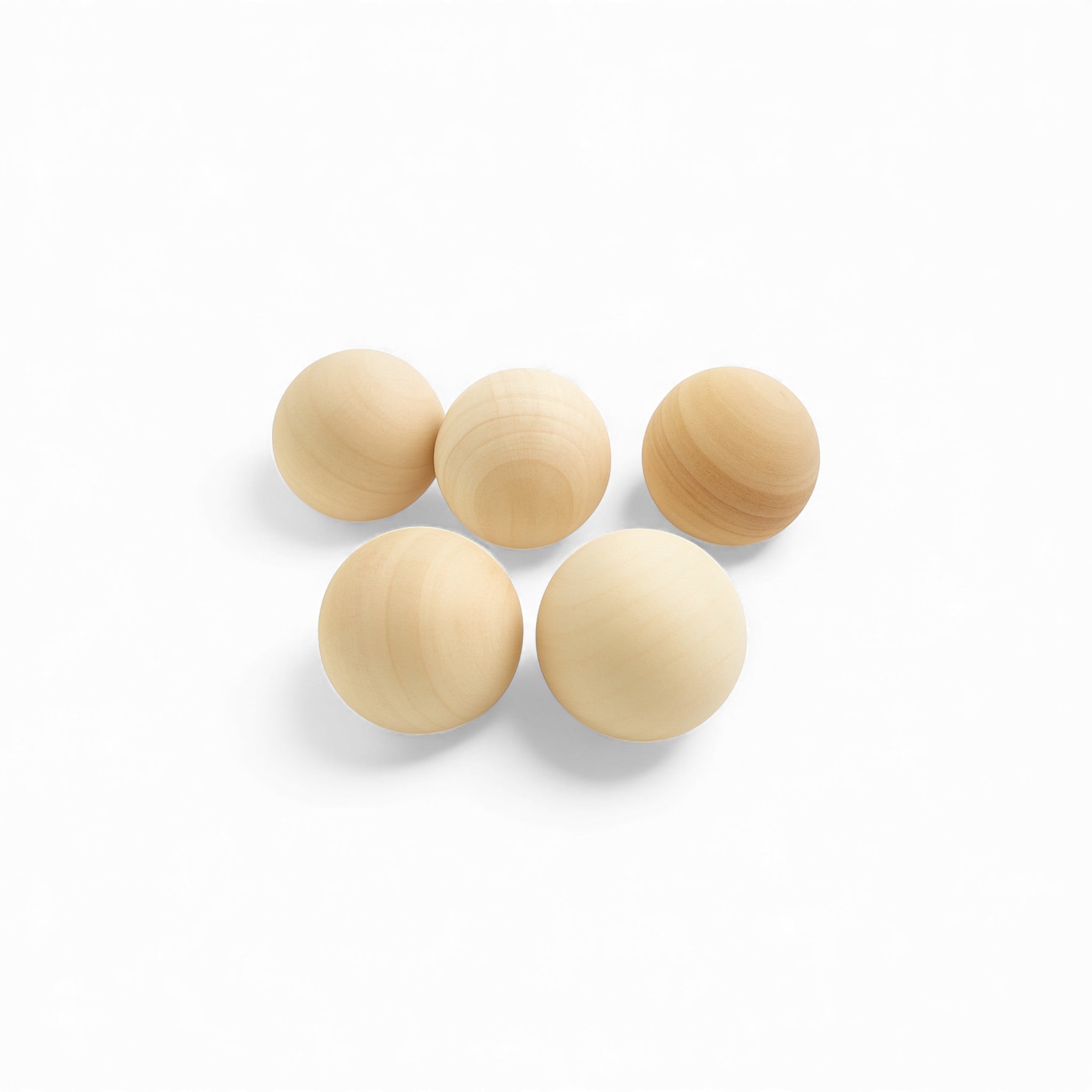
BuyBocceBalls stocks the FIB-recognized tournament range used in Swiss-Italian clubs, with 107mm, 110mm, and 114mm options. Browse the complete bocce ball collection to compare options before your trip.
Continuing the cluster: see also our guides to the best bocce courts in Italy, the best bocce courts in France, and the best bocce courts in Slovenia.
Frequently asked questions
Where is bocce most popular in Switzerland?
The Italian-speaking canton of Ticino (Lugano, Locarno, Bellinzona, Mendrisio) is by far the most active bocce region. The German- and French-speaking cantons have smaller but active clubs, mostly run by Italian-Swiss communities.
Can tourists play at Swiss bocce clubs?
Yes. Most Swiss clubs welcome visiting players who arrange ahead. Day fees run 10 to 30 Swiss francs, and clubs expect punctuality and proper shoes.
Do the Swiss play bocce or pétanque?
Both. Bocce dominates in Ticino, while pétanque has a presence in the French-speaking cantons (especially Geneva). Many Swiss boules clubs play both disciplines.
What size bocce balls do the Swiss use?
Ticino clubs play primarily the international 107mm tournament size. Some inland clubs also play the 110mm volo style.
Is bocce in the Olympics?
Bocce is not currently in the Olympic Games but is recognized by the International Olympic Committee and is included in the World Games and Mediterranean Games.