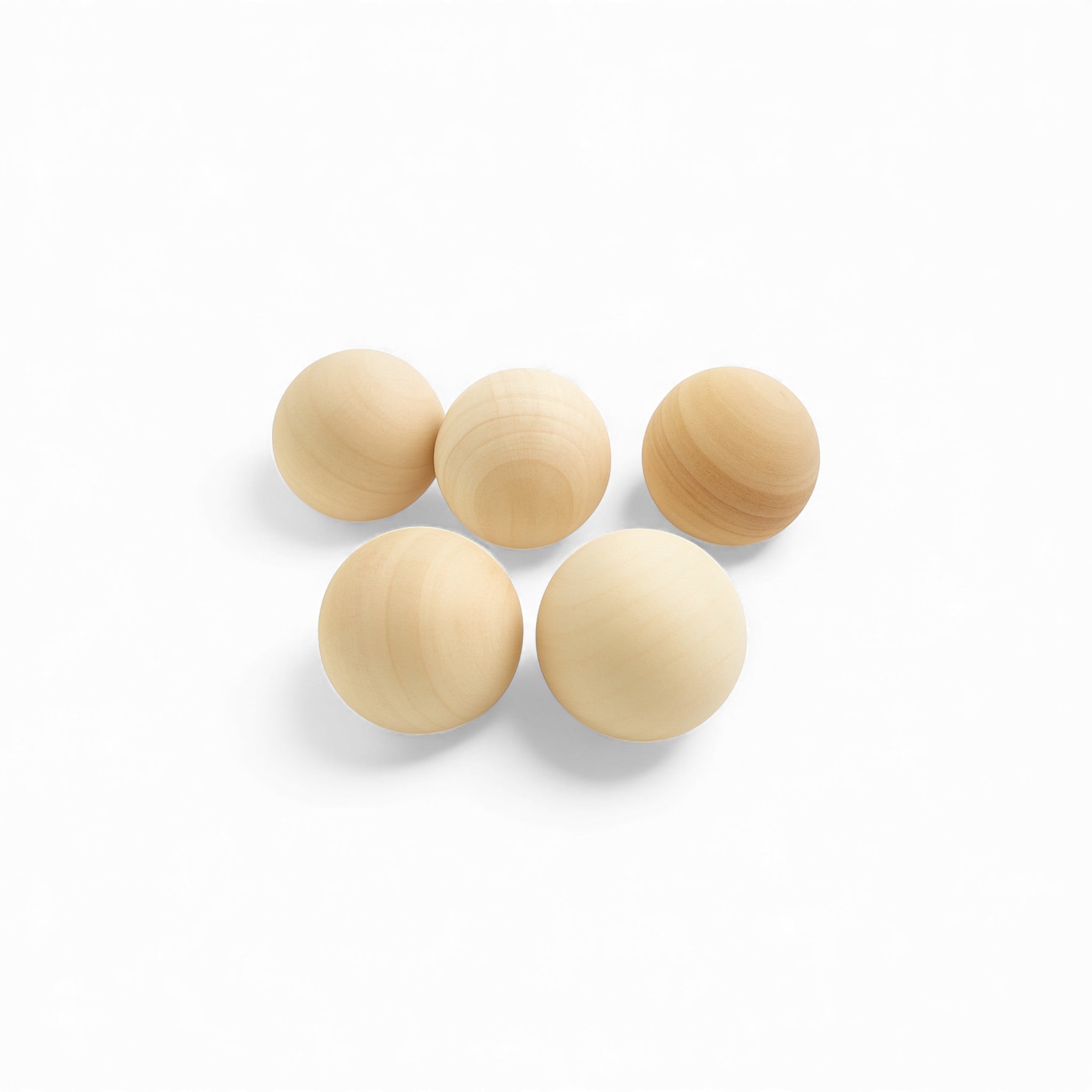
The best bocce courts in Argentina, known locally as bochas, are concentrated in Buenos Aires province, Mendoza wine country, and the Italian-immigrant cities of Rosario, Córdoba, and Mar del Plata. The country's national federation, the Federación Argentina de Bochas (FAB), governs roughly 200 affiliated clubs and produces one of the most competitive national teams in the Americas. The most welcoming clubs for visiting players sit in greater Buenos Aires and the Mendoza region.
Argentina hosts the second-largest Italian diaspora in the world after Brazil, with more than 60% of Argentinians claiming some Italian ancestry, according to Encyclopedia Britannica's profile of Argentina's people. Bochas arrived with that immigration wave in the late 1800s and never left. BBC's Latin America coverage regularly notes how Italian cultural traditions remain woven into daily life across northern Argentina, and bochas is one of the most visible examples.
Key Takeaways
- The Federación Argentina de Bochas (FAB) coordinates roughly 200 affiliated clubs nationwide.
- Buenos Aires province alone has more than 80 active competitive bochas clubs.
- Argentina has won multiple South American championships and frequently medals at world events.
- Argentinian clubs play primarily the lyonnaise (volo) discipline with 110mm balls, distinct from the 107mm raffa style common in the US and Italy.
- Most clubs welcome visitors, but a basic Spanish greeting and a club introduction smooth the way considerably.
Why Argentina is South America's bocce powerhouse
Argentinian bochas culture is closer to the Piedmontese volo tradition than to the southern Italian raffa game most Americans know. The 110mm ball and the aerial throwing style dominate, particularly in the country's competitive leagues. The New York Times' travel coverage of Argentina has highlighted the cultural depth of Italian-Argentinian neighborhoods like La Boca and San Telmo in Buenos Aires, where bochas clubs anchor weekly social life.
The FAB sanctions a national tournament circuit, and the country's top players regularly compete at the World Bocce Championships organized by the Confederation Mondiale des Sports de Boules (CMSB). Argentina's deep volo tradition makes it a particularly interesting destination for players who want to expand beyond the standard 107mm game.
The clubs and courts worth visiting
1. Club Italiano de Buenos Aires
The Club Italiano in the Almagro neighborhood is the institutional heart of Italian-Argentinian sport in Buenos Aires. The bochas section runs leagues year-round across both indoor and outdoor courts, and the building hosts cultural events tied to the broader Italian community. Visiting players can usually arrange a session by contacting the bochas section directly.
2. Asociación Bochófila Mendoza
Mendoza's main bochófila sits among the wineries of the Maipú district and is one of the most beautiful bocce settings in South America. The 6-court outdoor facility runs a regional volo league and welcomes wine-tour visitors who want to combine bocce with bodega visits.
3. Club Atlético San Lorenzo de Almagro - Sección Bochas (Buenos Aires)
The bochas section of the historic San Lorenzo soccer club operates one of the busiest indoor facilities in the city. Open evenings and weekends, with a strong masters league. The club is a short walk from the Boedo neighborhood metro stops.
4. Bochófila Italiana de Rosario
Rosario's Italian community has anchored the city's bocce scene for over a century. The Bochófila Italiana de Rosario runs both raffa and volo courts and is the most welcoming serious club in the Santa Fe province for visiting players.
5. Club Bochas Boca Junior (Mar del Plata)
Mar del Plata's coastal bocce scene picks up sharply in the summer months (December through February in the Southern Hemisphere). The Boca Junior club's 4 outdoor courts overlook the Atlantic and run informal evening tournaments throughout the high season.
6. Asociación Italiana de Córdoba - Sección Bochas
Córdoba's Italian Association is one of the larger Italian cultural institutions in interior Argentina. The bochas section runs both 107mm and 110mm courts and is the easiest stop for travelers based in the central highlands.
7. Sociedad Italiana de La Plata
La Plata's Italian society, in the provincial capital just south of Buenos Aires, runs a long-standing bocce program with strong youth participation. The club has produced multiple national-team players and welcomes visiting amateurs to its weekly open court sessions.
How to plan a bocce trip to Argentina
Two regional bases work best: greater Buenos Aires (for the densest concentration of clubs and the widest variety of disciplines) and Mendoza (for outdoor wine-country bocce in a more relaxed setting). The Argentine summer (December through March) is peak outdoor bocce season, while Buenos Aires indoor clubs run year-round.
Argentine clubs operate on a more social, less transactional model than US or Italian destinations. Expect to be invited to share an asado or maté before the actual match starts. Bringing a small gift (a Pallino, a bocce-themed item from your home country) is appreciated and often opens doors to the better courts. The IOC's coverage of South American multi-sport events regularly features Argentinian bochas players, and clubs are proud of that tradition.
What to bring with you
1. 107mm 4 Bocce Ball Set Bundle

Best for: doubles play at clubs that play the international 107mm style.
The 107mm 4-ball bundle is the standard travel set for international play and is what most non-volo Argentinian clubs will recognize as tournament-grade.
2. 110mm 4 Bocce Ball Set Bundle
Best for: volo-style play at the volo-dominant clubs in Buenos Aires and Mendoza.
If you specifically want to engage with the volo tradition that dominates Argentinian competitive play, the 110mm 4-ball bundle matches the size and weight conventions of the discipline. This is also the simplest way to demonstrate respect for local tradition.
3. Engraved Pallino 3-Pack (gift-ready)
Best for: a club gift after being welcomed at a serious bocce destination.
The double-engraved pallino 3-pack can be customized with a club name, a city, or a personal greeting. In Argentina specifically, this kind of cultural-respect gift is appreciated and remembered.
Why buy from BuyBocceBalls
BuyBocceBalls carries both 107mm and 110mm tournament-grade sets, so travelers heading to Argentina can match either of the country's preferred disciplines. Browse the complete bocce ball collection to compare sizes before committing.
Continuing the cluster: see also our guides to the best bocce courts in Italy, the best bocce courts in Brazil, and the best bocce courts in the United States.
Frequently asked questions
What is bocce called in Argentina?
Argentinians call the game bochas, the Spanish-language term derived from the Italian bocce. Both words are interchangeable in Spanish-speaking South America, with bochas being the more common usage.
What style of bocce do Argentinians play?
Argentinian competitive bocce is dominated by the volo (lyonnaise) discipline using 110mm balls, particularly in Buenos Aires and Mendoza. Some clubs also play the international 107mm style, especially those that send players to world championships.
Can foreigners play at Argentinian bochas clubs?
Yes, but most Argentinian clubs operate on a member-introduction social model. Contact the club ahead of time, ideally with a basic Spanish message, and expect to be welcomed warmly if you arrive prepared and respectful.
When is the best time of year to play bocce in Argentina?
The Argentine summer (December through March) is the best season for outdoor play, especially in coastal Mar del Plata and wine-country Mendoza. Indoor Buenos Aires clubs run year-round.
Where can I find Argentinian bochas tournaments?
The Federación Argentina de Bochas publishes its tournament calendar online, and major regional tournaments are announced via the local club networks. The largest annual events tend to fall in late summer and early autumn.